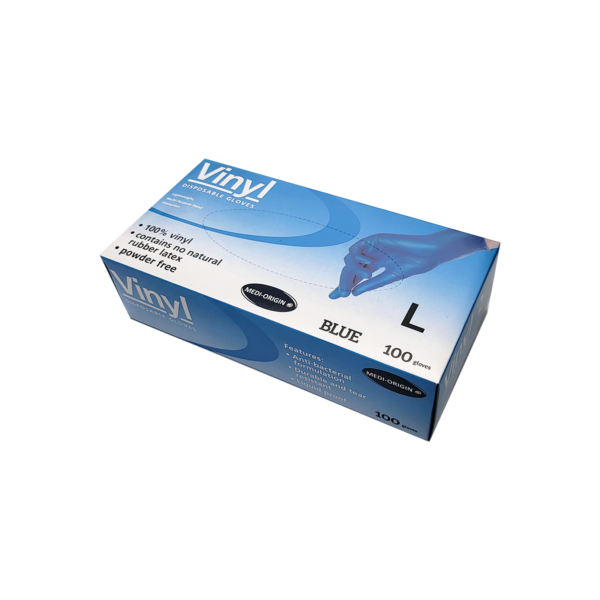
Vinyl gloves are a popular choice for businesses that need affordable, disposable hand protection for routine tasks. Made primarily from polyvinyl chloride (PVC), these gloves are commonly used in food preparation, hospitality, cleaning, beauty services, and selected healthcare environments where their level of protection is suitable.
Businesses choose vinyl gloves because they are generally economical, available in multiple sizes, and convenient for activities that require frequent glove changes. They can help reduce direct hand contact with certain substances and support workplace hygiene procedures when used correctly.
However, not all disposable gloves provide the same level of protection. Vinyl gloves have different performance characteristics from nitrile and latex gloves, making it important to select the right material for each application. Factors such as fit, durability, chemical compatibility, and intended use should be considered before purchasing.
Whether you manage a restaurant, cleaning company, medical practice, or commercial facility, understanding the characteristics of vinyl gloves can help you make informed purchasing decisions. This guide explores their benefits, common applications, limitations, and the factors to consider when choosing suitable products.
What Are Vinyl Gloves?
Vinyl gloves are disposable gloves manufactured primarily from polyvinyl chloride, a synthetic plastic polymer. They are designed to provide a basic barrier between the hands and selected substances during routine handling and hygiene-related activities.
Unlike latex gloves, vinyl gloves are not made primarily from natural rubber latex. This makes them an option for workplaces seeking to avoid natural rubber latex products.
Vinyl gloves are commonly available in transparent, blue, and other colours, depending on the manufacturer. They are usually sold in boxes and may be available in small, medium, large, and extra-large sizes.
Some vinyl gloves are powdered, while others are powder-free. Powder-free options are often preferred in workplaces where powder residue is undesirable, including food preparation and selected healthcare applications.
Although vinyl gloves are convenient and economical for many short-duration tasks, they generally offer less elasticity and may be more prone to tearing than nitrile or latex alternatives.
For this reason, businesses should evaluate the intended application and select gloves that provide the appropriate level of protection.
Key Benefits of Vinyl Gloves
Vinyl gloves offer several advantages for businesses that require practical, single-use hand protection.
Cost-Effective Disposable Protection
One of the main advantages of vinyl gloves is their affordability. They are often selected for high-volume activities where gloves need to be changed frequently.
Restaurants, catering companies, cleaning businesses, and hospitality providers may find vinyl gloves economical for suitable low-risk tasks.
However, the lowest purchase price does not always represent the best value. Product quality, replacement frequency, and suitability for the task should also be considered.
Latex-Free Material
Vinyl gloves are manufactured primarily from PVC rather than natural rubber latex.
They can therefore be useful in workplaces that want to reduce the use of natural rubber latex products because of allergy concerns.
However, latex-free does not mean that a product cannot cause skin irritation. Some people may react to other glove components, so product information and individual sensitivities should be considered.
Convenient Single-Use Design
Disposable vinyl gloves are generally intended for single use, making them practical for activities that require frequent changes.
Employees can put on a fresh pair when beginning an appropriate task and replace the gloves when they become damaged or contaminated.
Correct glove-changing procedures help reduce the risk of transferring contaminants between people, products, and work surfaces.
Vinyl gloves should not be reused unless the manufacturer specifically permits a suitable reuse process for that product.
Available in Multiple Sizes
Vinyl gloves are available in a range of sizes to accommodate different users.
Choosing the correct size can improve comfort and handling. Gloves that are too tight may tear more easily, while oversized gloves can interfere with dexterity.
Businesses purchasing gloves for a large workforce should consider stocking several sizes to help employees find a suitable fit.
Suitable for Selected Low-Risk Activities
Vinyl gloves can be useful for short-duration tasks that do not involve demanding mechanical or chemical hazards.
They are commonly used for certain food-handling activities, general handling, and routine hygiene tasks when the product’s protective capabilities are appropriate.
For activities involving significant chemical exposure, sharp materials, or a greater risk of glove failure, another glove material may be more suitable.
Common Uses of Vinyl Gloves
Vinyl gloves are used in several industries, but their suitability depends on the task and the product’s specifications.
Food Preparation and Catering
Restaurants, cafés, bakeries, catering businesses, and food preparation facilities may use vinyl gloves for suitable food-handling tasks.
Their economical price can make them practical for operations where employees change gloves frequently.
However, businesses must ensure that the specific product is suitable for food contact and meets applicable requirements.
Gloves do not replace handwashing or proper food safety procedures. Employees should change gloves when necessary, especially when switching between raw ingredients and ready-to-eat foods.
Cleaning and Janitorial Services
Cleaning professionals may use vinyl gloves for selected light-duty activities, including routine housekeeping and handling certain non-hazardous materials.
The suitability of vinyl depends on the cleaning products involved and the expected exposure.
Vinyl gloves should not automatically be considered suitable for concentrated detergents, corrosive substances, or prolonged chemical contact.
Businesses should review chemical safety data and glove compatibility information before choosing protective equipment. Specialised chemical-resistant gloves may be necessary for certain tasks.
Hospitality and Accommodation
Hotels, restaurants, cafés, and catering companies may use vinyl gloves for selected food service, cleaning, and general handling activities.
Purchasing vinyl gloves in suitable quantities can help hospitality businesses maintain consistent supplies for kitchens and other departments.
For businesses with several locations, standardising suitable products can simplify inventory management and repeat ordering.
Beauty and Personal Care
Beauty salons and personal care businesses may use vinyl gloves for selected treatments and general hygiene activities.
The appropriate glove depends on the substances being handled, including dyes, lotions, cleaning products, and other chemical formulations.
Businesses should follow product instructions and verify that the selected gloves provide suitable protection for the intended procedure.
Vinyl gloves may not be appropriate for every beauty treatment or chemical exposure.
Healthcare and Medical Environments
Certain vinyl examination gloves may be suitable for selected non-sterile healthcare activities when the specific product meets applicable requirements.
Healthcare providers should assess the expected exposure to blood, body fluids, infectious materials, and other hazards before choosing gloves.
Vinyl gloves are generally less elastic and may be more prone to tearing than some alternatives. They may therefore be unsuitable for procedures requiring a close fit, high dexterity, or more demanding protection.
Sterile procedures require gloves that meet the relevant sterility and product requirements. Standard non-sterile vinyl gloves should not be used as a substitute for sterile surgical gloves.
General Handling and Light Industrial Work
Some workplaces use vinyl gloves for routine handling, basic assembly, and other tasks where a disposable barrier is appropriate.
However, vinyl gloves are not designed to protect against every industrial hazard. They may be unsuitable for sharp materials, heavy abrasion, high temperatures, or hazardous chemical exposure.
Businesses should assess the task and choose protective equipment that provides the necessary level of protection.
Vinyl Gloves vs Nitrile and Latex Gloves
Understanding the differences between glove materials can help businesses choose suitable products.
Vinyl Gloves
Vinyl gloves are made primarily from PVC and are often selected for their affordability and suitability for selected short-duration, low-risk tasks.
They generally have less elasticity than nitrile or latex gloves and may provide a looser fit.
These characteristics can make vinyl gloves less suitable for precision work or tasks involving greater mechanical stress.
Nitrile Gloves
Nitrile gloves are made from synthetic rubber and typically offer greater elasticity, durability, and puncture resistance than standard vinyl gloves.
They are widely used in healthcare, laboratories, cleaning, automotive work, and other settings where a closer fit or greater durability may be necessary.
Nitrile gloves are not resistant to every chemical, so compatibility must still be checked for the specific substance and exposure conditions.
Latex Gloves
Latex gloves are made from natural rubber and generally provide excellent elasticity and a close fit.
They are used in selected medical, examination, and specialised applications where these characteristics are beneficial.
However, natural rubber latex proteins can cause allergic reactions in some individuals. Non-latex alternatives may be preferable when latex allergy is a concern.
Which Type Should You Choose?
The best glove material depends on the task rather than one material being suitable for every situation.
Vinyl gloves may be appropriate for economical, short-duration activities where their protection is sufficient. Nitrile may be more suitable when greater durability or specific chemical resistance is required. Latex may be useful where flexibility and fit are priorities and allergy risks have been addressed.
Businesses should assess product suitability, fit, and total cost before making a purchasing decision.
How to Choose the Right Vinyl Gloves
Selecting suitable vinyl gloves requires attention to quality, sizing, and intended use.
Select the Correct Size
Proper sizing improves comfort and handling.
Gloves that are too tight can cause discomfort and may tear more easily. Gloves that are too loose can reduce control when handling small objects or performing precise tasks.
Review the manufacturer’s sizing chart and consider providing several sizes for employees.
Check Thickness and Durability
Thickness can affect flexibility, feel, and durability, but it does not independently determine the level of protection.
Compare manufacturer specifications and choose gloves designed for the intended application.
For tasks involving repeated friction, sharp edges, or demanding conditions, consider whether a more durable material is necessary.
Choose Powder-Free or Powdered Gloves
Powder-free gloves are manufactured without added donning powder and are often preferred where powder residue is undesirable.
Powdered gloves may be available for selected applications, but buyers should check whether they are suitable for the intended workplace.
For food handling and healthcare-related applications, confirm the relevant requirements before selecting a product.
Review Product Quality
Check material specifications, sizing, packaging, and intended use before purchasing.
For commercial orders, requesting samples can help assess the gloves before committing to larger quantities.
For medical or specialised applications, verify the relevant product documentation and regulatory requirements.
Consider Packaging and Storage
Vinyl gloves are commonly supplied in boxes and larger cartons.
Businesses should select quantities that match their consumption and storage capacity. Store gloves according to the manufacturer’s instructions and protect them from excessive heat, moisture, direct sunlight, and physical damage.
Regular stock checks can help identify damaged packaging and reduce unnecessary waste.
Buying Vinyl Gloves Wholesale
Businesses that use disposable gloves regularly may benefit from purchasing in bulk.
Compare Unit Pricing
Compare the cost per glove rather than relying only on the price per box.
Include shipping charges, minimum order quantities, carton sizes, and available volume discounts when calculating the total cost.
A lower unit price may not provide better value if the gloves tear frequently or fail to meet the requirements of the task.
Check Supplier Reliability
A reliable supplier should provide accurate product information, transparent pricing, and consistent stock availability.
Ask about delivery times, backorder arrangements, and options for recurring orders.
Businesses that depend on gloves every day should consider supply reliability alongside price.
Plan Replenishment
Review average consumption and establish a reorder point based on usage and supplier lead times.
For example, a business using 15 boxes of vinyl gloves per week would need approximately 60 boxes for four weeks, before allowing for additional demand or reserve stock.
Actual requirements depend on workforce size, the tasks performed, and glove-changing procedures.
Regular inventory reviews help prevent shortages without tying up unnecessary funds in excess stock.
Are Vinyl Gloves Safe?
Vinyl gloves can be appropriate for selected tasks when the product is suitable for the intended use and handled correctly.
However, no disposable glove is suitable for every hazard.
For healthcare applications, businesses must consider expected exposure and relevant product requirements. For chemical handling, they should verify compatibility with the specific substance and exposure conditions.
Vinyl gloves may provide less reliable protection during prolonged or demanding tasks than more suitable specialised gloves.
Users should inspect gloves before use, replace damaged or contaminated gloves, and follow appropriate hand hygiene procedures. If skin irritation occurs, stop using the product and seek appropriate advice about possible causes and alternatives.
Common Mistakes to Avoid When Buying Vinyl Gloves
One common mistake is selecting gloves based entirely on price without checking quality or intended use.
Another is assuming that vinyl gloves are suitable for every cleaning chemical, medical procedure, or industrial task. Their protective capabilities are limited, and other materials may be required.
Businesses should also avoid overlooking sizing. Poorly fitting gloves can affect comfort and handling.
Purchasing excessive quantities without considering storage capacity and actual consumption can lead to unnecessary costs and waste.
Finally, gloves should not replace handwashing or other hygiene procedures. They can become contaminated and must be changed appropriately to reduce cross-contamination risks.
Conclusion
Vinyl gloves are a practical and often economical option for selected hand-protection tasks in food service, hospitality, cleaning, beauty services, and certain healthcare environments.
Their affordability, synthetic latex-free material, and convenient single-use design make them useful for many routine activities. However, their limited elasticity and durability mean they are not suitable for every workplace hazard.
Before purchasing, businesses should evaluate the intended application, glove size, product quality, and supplier reliability. Wholesale buyers should also compare unit prices, delivery arrangements, and stock availability.
By selecting gloves that match the task and following appropriate hygiene and safety procedures, businesses can manage disposable glove supplies effectively while supporting workplace cleanliness.
Frequently Asked Questions
1. What are vinyl gloves used for?
Vinyl gloves are used for selected low-risk activities in food service, hospitality, cleaning, beauty services, and certain healthcare environments. Their suitability depends on the task and product specifications.
2. Are vinyl gloves latex-free?
Yes. Vinyl gloves are made primarily from PVC rather than natural rubber latex. However, other glove components may still cause irritation or reactions in some individuals.
3. Are vinyl gloves suitable for food handling?
Some vinyl gloves are suitable for food handling when the specific product meets applicable requirements. Businesses should verify food-contact suitability and follow proper food hygiene procedures.
4. What is the difference between vinyl and nitrile gloves?
Vinyl gloves are generally economical for selected short-duration tasks, while nitrile gloves typically offer greater elasticity and durability. The appropriate option depends on the task and required protection.
5. Can vinyl gloves be reused?
Disposable vinyl gloves are generally designed for single use. They should be discarded after use or when damaged or contaminated, following the manufacturer’s instructions and workplace procedures.
6. Are vinyl gloves suitable for chemical handling?
Vinyl gloves may be suitable for certain low-risk exposures, but they are not resistant to every chemical. Check compatibility information and use specialised gloves when required.
7. Where can businesses buy vinyl gloves in bulk?
Businesses can purchase vinyl gloves from PPE suppliers, medical supply distributors, and wholesale hygiene product providers. Compare pricing, product documentation, stock availability, and delivery terms before ordering.