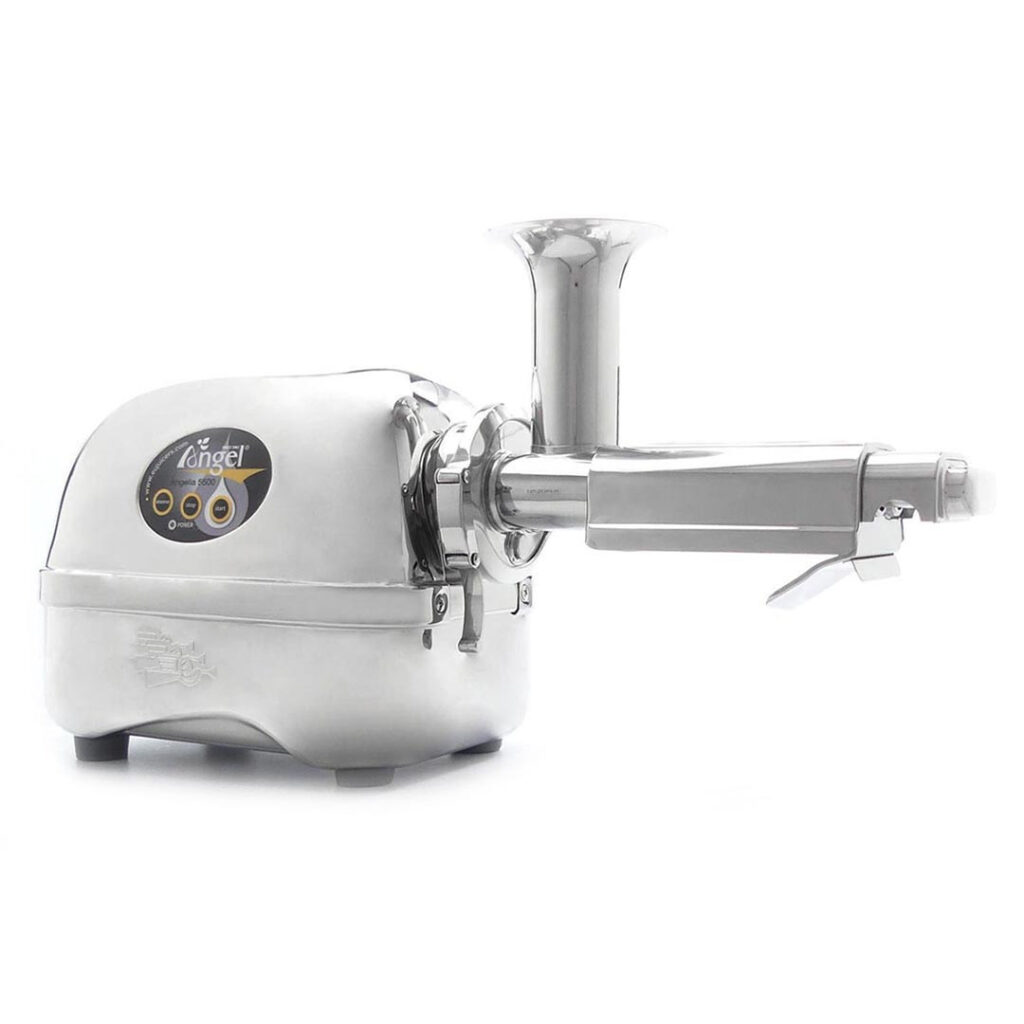
Cold-press processing with the Angel Juicer 8500s offers a gradual method for extracting juice from fruits, vegetables, and leafy greens. Twin-gear systems crush and press ingredients slowly instead of relying on fast-spinning blades, enabling produce to be processed progressively under controlled pressure. This slower extraction method can reduce the effects of heat and oxidation, helping retain naturally present nutrients, enzymes, vitamins, and minerals within the resulting juice. When prepared and stored correctly, cold-pressed juice can also maintain a smooth texture, fresh appearance, and practical storage qualities.
The twin-gear design, controlled pressing process, and operating capabilities of the appliance demonstrate how modern cold-press technology can facilitate efficient juice extraction while helping preserve the inherent characteristics of fresh produce.
Maximising Juice Output from Fresh Ingredients
Juice yield provides an important indication of how effectively cold-press equipment extracts liquid, particularly when the remaining pulp is noticeably dry after processing. Fresh ingredients are compressed through precisely controlled spaces within the stainless steel screen housing, allowing a significant amount of moisture to be separated from the produce. This extraction method can generate higher juice volumes than certain centrifugal and single-auger juicers. Consequently, smaller quantities of fresh ingredients may be needed to produce a complete serving, improving produce utilisation during regular preparation while helping minimise avoidable food waste.
Preserving Natural Nutrients through Gentle Juice Processing
Lower-speed cold-press technology is intended to minimise exposure to heat and oxygen, factors that can affect sensitive nutrients such as vitamins, enzymes, and antioxidants. Centrifugal juicers generally operate at substantially faster speeds, creating greater exposure to air and friction-generated heat that can contribute to oxidation and changes in nutritional composition.
Twin-gear extraction works at a slower rotational rate, creating a processing environment with comparatively limited oxygen exposure. This can help maintain the natural colour, taste, and characteristics of fresh ingredients. When freshly extracted juice is placed in sealed glass containers and refrigerated appropriately, its nutritional qualities may remain preserved for a longer period, with storage potentially reaching around 72 hours.
Handling Varied Produce with a Twin-Gear Extraction System
A strong twin-gear mechanism can accommodate ingredients ranging from soft fruits to tougher and highly fibrous plant materials. Produce such as wheatgrass, pine needles, kale, spinach, and herbs can be processed despite their dense fibre structure, which may be more demanding for less robust single-auger equipment.
The same grinding action can handle firm root vegetables such as beets, carrots, sweet potatoes, and turmeric. The appliance can also extend beyond standard fruit and vegetable juicing, as soaked nuts and seeds can be processed to create nut milks, pastes, and smooth purees. This broad ingredient compatibility makes the system suitable for different food and beverage preparation tasks.
Long-Term Performance from Surgical-Grade Stainless Steel
The Angel Juicer 8500 S uses SUS316 surgical-grade stainless steel throughout important parts of its extraction assembly. This high-quality material offers strong resistance to corrosion, rust, and chemical reactions that can occur when acidic ingredients such as lemons, limes, and tomatoes are processed.
The sturdy metal construction is also intended to withstand repeated operation while providing smooth, hygienic surfaces with lower porosity than some alternative materials. Components such as the feeding chute, twin gears, and screen filter are built to withstand substantial mechanical pressure without readily bending, deteriorating, or accumulating scratches during normal use.
Quiet Performance through Low-RPM Motor Operation
Despite producing substantial crushing force through its twin-gear mechanism, the appliance is engineered for comparatively quiet operation. Its low-RPM induction motor works with a solid stainless steel casing and precisely manufactured reduction gears to limit vibration and help control sound during operation.
High-speed centrifugal juicers can produce sharper, louder sounds because of their rapid blade rotation, often resembling the noise of powerful blending equipment. By contrast, twin-gear operation generally produces a gentler mechanical hum. This quieter performance can make juice preparation more convenient during early mornings or evenings, with less disturbance to others in nearby household or surrounding spaces.
Built-In Controls for Safer Appliance Operation
Contemporary kitchen appliances can incorporate electronic monitoring and mechanical protection systems to support safer operation. Thermal sensors within the appliance monitor motor temperature while the system is running and can automatically interrupt power when internal temperatures exceed designated safety limits. This helps protect the motor from excessive heat and reduces the possibility of overheating-related damage.
The appliance can also use automatic reverse detection to respond to blockages or excessive loads, particularly when dense root vegetables overfill the feeding chute. When unusually high resistance is detected, the control system can stop the gears and reverse their rotation to help release the obstruction. This mechanism assists in reducing mechanical stress while supporting more consistent and convenient operation.
Easy Disassembly and Routine Cleaning for Everyday Use
Thoughtful structural engineering and a limited number of removable components make maintenance and daily cleaning more straightforward. The primary extraction assembly contains four main parts: the twin augers, mesh screen housing, housing cover, and protective splash guard. A single side clamp allows the components to be released and removed easily for prompt rinsing under running water.
Smooth, non-porous stainless steel surfaces across the extraction components help resist food stains, mineral deposits, and odour absorption. A quick brush can also help remove residue from the fine mesh perforations, supporting convenient cleaning after regular juicing sessions.
Building Long-Term Value through Durable Construction
Investing in metal kitchen appliances can offer lasting value through strong construction and reduced component deterioration. Traditional plastic appliances may develop cracked housings, worn auger edges, or damaged plastic gears that can eventually require replacement or maintenance. Stainless steel construction minimises these vulnerable areas, enabling the appliance to handle frequent and demanding use while retaining structural strength over longer periods.
Improved juice extraction efficiency can also minimise produce waste by recovering more liquid from fruits and vegetables. Over time, this greater utilisation can provide continued value while supporting reliable performance during regular food preparation.
Engineering Features That Define the Angelia 8500s
The construction of the Angelia 8500s follows a heavy-duty engineering approach, using high-quality stainless steel throughout key parts of the extraction mechanism. Instead of relying largely on plastic casings and internal components commonly used in conventional juicing appliances, its central juicing assembly incorporates food-grade and surgical-grade metal materials.
A seamless design reduces the amount of direct contact between fresh ingredients and synthetic or flexible plastic surfaces during operation. The twin augers are accurately positioned inside the surrounding mesh screen housing, helping guide produce through the extraction area while maintaining controlled mechanical movement. These structural features can support steady performance when the appliance is subjected to intensive or prolonged food preparation.
Keeping Twin-Gear Components in Good Working Condition
Consistent cleaning and appropriate maintenance are essential for maintaining precision twin-gear juicers and their extraction performance. The fine mesh screen should be cleaned after each use to remove pulp and mineral deposits before they become dry or firmly lodged within its small openings. Residue accumulation can interfere with juice flow and potentially increase the mechanical load placed on the extraction components.
Soft cleaning tools and mild cleaning solutions can help protect the polished finish of the stainless steel chassis from unnecessary abrasion. Silicone sealing rings should also be checked regularly for deterioration, while the augers need to be positioned correctly before the side clamp is fastened. Careful assembly combined with routine cleaning can help maintain reliable operation and contribute to a longer working lifespan.
Recovering Greater Liquid Volumes with Commercial-Grade Juicing
Commercial-grade juicing equipment can use precisely manufactured dual augers to generate strong compression throughout the extraction process, helping separate a substantial amount of liquid from fresh produce. Unlike simpler domestic juicers, robust twin-gear mechanisms can process tougher plant structures more extensively, leaving comparatively drier pulp while recovering additional moisture. This high extraction capability can support better juice recovery from leafy greens, root vegetables, and fruits, allowing ingredients to be used more efficiently for regular preparation as well as larger-scale juicing activities.
Promoting Hygienic Processing with Stainless Steel Parts
The smooth, non-porous characteristics of stainless steel can make hygiene management more straightforward across a heavy-duty juicing appliance. Plastic components may retain odours, become stained by strongly coloured ingredients, or develop fine scratches through repeated use, whereas stainless steel offers a resilient surface that can be cleaned thoroughly. Rinsing the stainless steel augers and mesh screen under running water after each session can help remove residual pulp and ingredient particles. Regular cleaning therefore supports a cleaner preparation environment and helps maintain hygienic conditions during frequent equipment use.
Controlling Heat during the Cold-Press Extraction Process
Managing temperature is an important consideration in cold-press juicing because excessive heat may influence some naturally occurring enzymes and nutrients found in fresh ingredients. The slower movement of twin gears helps limit friction-related heat generation during extraction, reducing unnecessary thermal exposure as produce passes through the mechanism.
This gradual processing method can help retain the fresh colour, flavour, and nutritional characteristics of the resulting juice. Lower operating temperatures can also contribute to consistent extraction by allowing ingredients to be crushed and pressed progressively rather than being exposed to the greater heat that can accompany high-speed juicing methods.
Conclusion
Twin-gear cold-press systems offer a thorough method of extracting juice while combining robust construction with controlled processing. The Angel Juicer 8500s features SUS316 stainless steel construction and operates at approximately 82 RPM, allowing gradual processing of varied produce. Its high-torque gears can manage fibrous greens, dense vegetables, and nuts while maintaining relatively quiet performance. Thermal protection and automatic reverse functions add operational safeguards, while detachable components simplify cleaning. These characteristics make the appliance suitable for frequent cold-press juicing in Australian households.
FAQs
What advantages does SUS316 surgical-grade stainless steel offer?
SUS316 surgical-grade stainless steel offers strong resistance to corrosion, staining, and acidic fruit juices encountered during regular preparation. Its non-reactive surface can support hygienic processing while helping preserve the natural properties of ingredients. The material’s durability also makes it appropriate for appliances designed to withstand repeated juicing and ongoing food preparation in Australian households.
How can slow-speed twin-gear extraction help retain juice qualities?
The counter-rotating gears operate at approximately 82 RPM, gradually crushing and pressing produce instead of rapidly chopping it. This slower extraction method can reduce friction and heat development, which may help preserve delicate nutrients and natural flavour characteristics. Thorough crushing and pressing also support efficient juice extraction while maintaining qualities commonly associated with cold-pressed juice.
Is the Angel Juicer 8500s suitable for fibrous and dense produce?
The Angel Juicer 8500s can process challenging ingredients including wheatgrass, kale, celery, beetroot, and turmeric. Its twin-gear system generates considerable crushing pressure to break down fibrous greens and dense vegetables during extraction. This mechanism can produce comparatively dry pulp while helping obtain juice efficiently from produce that may be more difficult for conventional juicers to process.
What safety features are incorporated into the juicer?
The Angel Juicer 8500s includes thermal protection designed to stop the motor if excessive heat develops during operation. Its automatic reverse function can change the direction of the gears when resistance or a blockage is encountered, helping release obstructed ingredients. Together, these functions can protect internal components and contribute to more reliable appliance performance during repeated juicing.
| Related Business Listings |
| Contact Directory |
| Local Business Profiles |