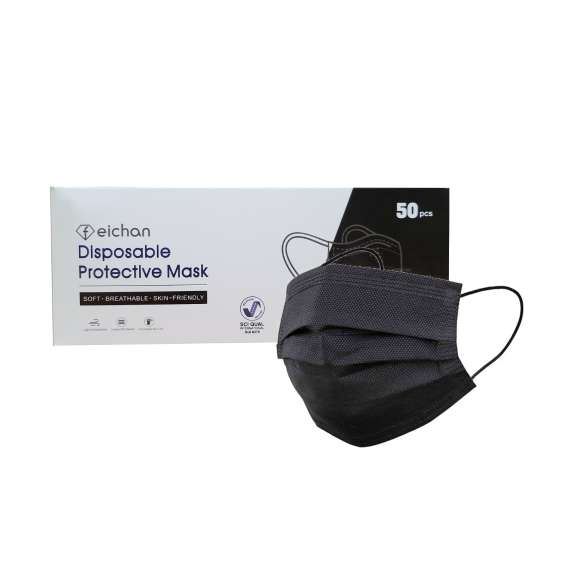
Protective face masks have become an important part of personal safety, workplace protection, and hygiene practices across many industries. From healthcare and construction to manufacturing, laboratories, travel, and everyday public environments, high-quality masks help reduce exposure to airborne particles and contaminants.
Among the most recognised protective masks available, the KN95 Face Mask is widely used because of its filtration performance, comfortable design, and ability to provide effective respiratory protection when properly fitted.
KN95 masks are designed to filter airborne particles and provide a higher level of protection compared with basic face coverings. They are commonly used by professionals and individuals who require reliable protection from dust, particles, droplets, and other airborne contaminants.
Choosing the right KN95 mask is important because factors such as filtration efficiency, fit, comfort, material quality, and certification standards can affect performance.
This complete guide explains everything you need to know about KN95 face masks, including what they are, how they work, their benefits, common uses, how to choose the right mask, storage tips, cost considerations, and frequently asked questions.
What Is a KN95 Face Mask?
A KN95 face mask is a type of respiratory protective mask designed to filter airborne particles and provide a close-fitting barrier around the nose and mouth.
The name “KN95” refers to a filtration standard developed under Chinese respiratory protection requirements. The “95” indicates that the mask is designed to filter at least 95% of non-oily airborne particles under standard testing conditions.
KN95 masks typically feature:
- Multiple filtration layers
- Elastic ear loops or head straps
- Adjustable nose clips
- Lightweight materials
- Foldable or cup-shaped designs
They are designed to reduce exposure to airborne particles while allowing comfortable breathing during use.
How Does a KN95 Face Mask Work?
A KN95 Face Mask works by using multiple layers of specialised filtration material to capture airborne particles.
Most KN95 masks contain several layers, including:
Outer Protective Layer
The outer layer helps protect the mask structure from external particles and moisture.
Filtration Layer
The middle filtration layer is responsible for capturing small airborne particles.
This layer uses specialised materials designed to improve filtration performance.
Inner Comfort Layer
The inner layer sits against the face and focuses on comfort.
It helps absorb moisture and provides a softer surface for extended wear.
Nose Clip and Seal
The adjustable nose clip helps improve the fit around the nose area.
A better seal reduces gaps where unfiltered air may enter.
Why Choose a KN95 Face Mask?
Many people and businesses choose KN95 masks because they provide a combination of protection, comfort, and convenience.
High Filtration Performance
One of the main benefits of KN95 masks is their filtration capability.
They are designed to help filter:
- Dust particles
- Airborne particles
- Fine droplets
- Environmental contaminants
This makes them suitable for environments where additional respiratory protection is needed.
Comfortable Fit
A quality KN95 mask is designed to fit securely while remaining comfortable.
Features that improve comfort include:
- Soft inner layers
- Flexible nose clips
- Lightweight materials
- Breathable construction
Better Protection Than Basic Face Coverings
Basic cloth face coverings provide general coverage but may not offer the same filtration performance as specialised respirator-style masks.
KN95 masks are designed specifically for respiratory protection.
Useful for Multiple Environments
KN95 masks are used in many settings, including:
- Healthcare environments
- Workplaces
- Construction sites
- Laboratories
- Travel situations
- Public spaces
Convenient Disposable Design
Most KN95 masks are designed for single-use applications.
Disposable design helps maintain:
- Cleanliness
- Hygiene
- Consistent performance
Common Uses of KN95 Face Masks
KN95 masks are used across many industries and situations where respiratory protection is required.
Healthcare Applications
Healthcare professionals may use protective masks as part of infection prevention procedures.
Applications may include:
- Patient care environments
- Medical facilities
- Healthcare support areas
Construction Industry
Construction workers may use KN95 masks when working around:
- Dust
- Particles
- Construction materials
They can help reduce exposure to airborne workplace particles.
Manufacturing and Industrial Work
Manufacturing environments may involve exposure to:
- Dust
- Fine particles
- Production materials
Respiratory protection helps improve workplace safety.
Laboratories and Research Facilities
Laboratories may require masks as part of controlled work environments.
Travel and Public Environments
Many individuals use KN95 masks during travel or crowded situations where additional protection is desired.
Cleaning and Maintenance Work
Cleaning professionals may use protective masks when working with:
- Dust
- Cleaning chemicals
- Contaminated materials
Benefits of Using a KN95 Face Mask
KN95 masks provide several advantages for users who need reliable respiratory protection.
Helps Reduce Airborne Exposure
The filtration layers help reduce the amount of airborne particles entering the breathing area.
Lightweight and Portable
KN95 masks are easy to carry and store.
Many users keep spare masks in:
- Bags
- Vehicles
- Emergency kits
Suitable for Long-Term Storage
When stored correctly, unused KN95 masks can remain available for future needs.
Supports Workplace Safety
Businesses can provide KN95 masks as part of broader workplace safety programs.
Available in Different Designs
KN95 masks are available in various styles, including:
- Foldable designs
- Cup-shaped designs
- Different sizes
This allows users to choose options based on comfort and fit.
KN95 Face Mask vs Other Mask Types
Understanding the differences between mask types helps users choose the right protection.
KN95 vs Surgical Masks
Surgical masks are mainly designed to reduce exposure to droplets and provide barrier protection.
KN95 masks are designed to provide:
- Closer facial fit
- Higher particle filtration
- Respiratory protection
KN95 vs Cloth Masks
Cloth masks provide basic coverage but vary significantly in filtration performance depending on material and design.
KN95 masks are manufactured specifically for filtration performance.
KN95 vs N95 Masks
KN95 and N95 masks are designed under different standards.
The main difference is the regulatory standard used for testing and approval.
Both are designed to provide high-level filtration when properly fitted.
How to Choose the Right KN95 Face Mask
Selecting the correct KN95 mask helps improve comfort and effectiveness.
Consider these factors before purchasing.
Check Product Quality
Choose masks from reliable manufacturers and suppliers.
Important factors include:
- Material quality
- Manufacturing consistency
- Product specifications
Consider Fit and Size
A proper fit is essential.
The mask should:
- Cover the nose and mouth completely
- Fit securely around the face
- Minimise gaps
Look for Comfortable Materials
Comfort is important, especially during extended use.
Consider:
- Soft inner layers
- Breathable design
- Flexible straps
Choose the Correct Quantity
Businesses and organisations often purchase KN95 masks in bulk.
Consider your usage requirements before ordering.
Verify Supplier Reliability
A trusted supplier provides:
- Consistent quality
- Reliable stock
- Clear product information
Buying KN95 Face Masks in Bulk
Many businesses purchase KN95 masks in larger quantities.
Bulk purchasing provides several advantages.
Lower Cost Per Mask
Wholesale purchasing can reduce the cost per unit.
Reliable Supply
Maintaining stock ensures masks are available when needed.
Easier Workplace Management
Bulk supplies simplify PPE inventory management.
Better Emergency Preparedness
Businesses can maintain protective equipment supplies for unexpected situations.
How Much Does a KN95 Face Mask Cost?
The cost of KN95 masks depends on several factors.
Quantity Purchased
Larger orders generally provide better pricing.
Mask Quality
Higher-quality products may cost more due to better materials and manufacturing standards.
Supplier and Brand
Pricing varies depending on manufacturer and supplier reliability.
Packaging Options
Masks may be sold in:
- Individual packaging
- Boxes
- Bulk cartons
Additional Features
Features such as improved comfort, adjustable straps, or specialised designs may affect pricing.
How to Properly Wear a KN95 Face Mask
Correct usage improves mask performance.
Wash Hands Before Handling
Clean hands help prevent contamination before putting on the mask.
Position the Mask Correctly
The mask should cover:
- Nose
- Mouth
- Chin
Adjust the Nose Clip
Shape the nose clip to improve the seal around the nose.
Check the Fit
Ensure there are minimal gaps around the edges.
Avoid Touching the Front Surface
The outer surface may collect particles during use.
Storage and Handling Tips for KN95 Masks
Proper storage helps maintain mask quality.
Keep Masks Dry
Store masks away from:
- Moisture
- Extreme temperatures
- Direct sunlight
Maintain Original Packaging
Original packaging protects unused masks from contamination.
Avoid Damaged Masks
Do not use masks that are:
- Torn
- Dirty
- Damaged
- Deformed
Store in a Clean Area
Keep masks in clean storage locations until needed.
Common Mistakes When Buying KN95 Face Masks
Avoiding common mistakes helps users choose better protection.
Choosing Only Based on Price
The cheapest mask may not provide reliable quality.
Ignoring Fit
A poor fit can reduce protective performance.
Buying From Unreliable Sources
Always choose reputable suppliers.
Incorrect Storage
Poor storage conditions may affect mask quality.
Reusing Damaged Masks
Damaged masks should be replaced.
Frequently Asked Questions About KN95 Face Masks
What is a KN95 Face Mask used for?
A KN95 face mask is used to provide respiratory protection by filtering airborne particles and reducing exposure to contaminants.
Are KN95 masks reusable?
Most KN95 masks are designed for limited use. Replacement depends on condition, cleanliness, and manufacturer guidance.
Are KN95 masks better than cloth masks?
KN95 masks are specifically designed for higher filtration performance compared with many basic cloth masks.
Are KN95 masks comfortable?
Quality KN95 masks are designed with lightweight materials and features such as flexible nose clips for improved comfort.
How do I know if a KN95 mask fits correctly?
A properly fitted mask should cover the nose and mouth completely with minimal gaps around the edges.
Can businesses buy KN95 masks in bulk?
Yes. Many suppliers offer bulk purchasing options for businesses, healthcare organisations, and workplaces.
Are KN95 masks suitable for workplaces?
Yes. Many workplaces use KN95 masks as part of their respiratory protection programs.
How should KN95 masks be stored?
Store unused masks in a clean, dry location away from moisture and direct sunlight.
How often should a KN95 mask be replaced?
Replace masks when they become damaged, dirty, difficult to breathe through, or no longer fit properly.
Where can I buy KN95 face masks?
KN95 masks are available through professional PPE suppliers and safety equipment providers.
Conclusion
A KN95 Face Mask is an important protective product designed to help reduce exposure to airborne particles and contaminants. Its multi-layer filtration system, comfortable design, and practical usability make it a popular choice for workplaces, healthcare environments, industrial applications, and personal protection.
Choosing the right KN95 mask requires careful consideration of quality, fit, comfort, supplier reliability, and intended use. A properly selected mask provides better protection and helps support safer environments.
Whether you are purchasing masks for personal use, workplace safety programs, or bulk organisational needs, investing in high-quality KN95 face masks ensures reliable respiratory protection when it matters most.