A vehicle’s exhaust system plays an important role in engine performance and reducing harmful emissions. One of its key components is the catalytic converter, which helps convert harmful gases into less harmful substances before they leave the exhaust system. Although it is designed to handle high temperatures, excessive heat can damage its internal components and affect how well the vehicle runs.A catalytic converter can overheat for several reasons, including engine misfires, fuel mixture problems, faulty oxygen sensors, blocked exhaust passages, and poor engine maintenance. If these issues are not addressed early, they can lead to serious damage and expensive repairs.
Understanding why a catalytic converter overheats, recognising the warning signs, and knowing how to prevent the problem can help drivers keep their vehicles in good condition. For those looking for Catalytic Converter Melbourne services, learning about these common causes can also help identify when a professional inspection is needed.
Understanding How a Catalytic Converter Works
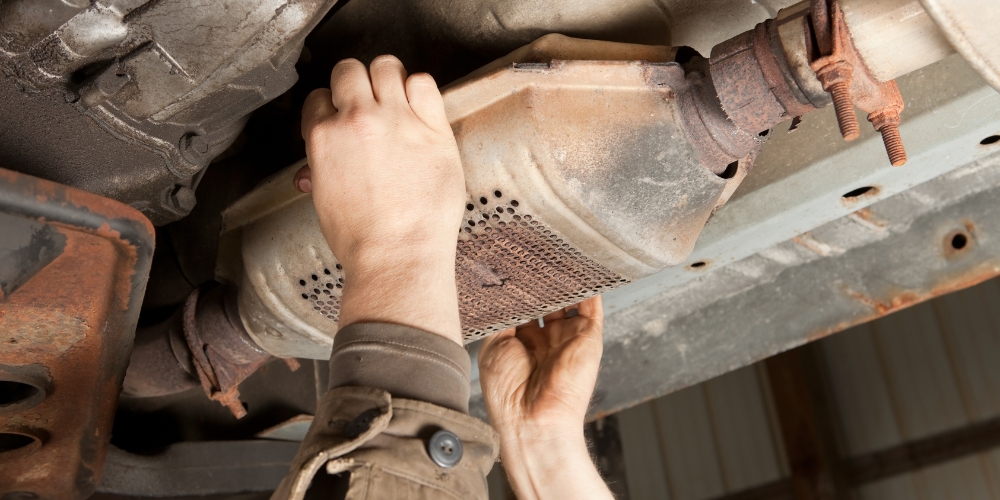
A catalytic converter is fitted into a vehicle’s exhaust system, usually between the engine and the muffler. Its main job is to reduce harmful emissions produced during the combustion process.
Inside the converter is a honeycomb-shaped structure coated with special metals that support chemical reactions. As hot exhaust gases pass through this structure, harmful pollutants such as carbon monoxide, hydrocarbons, and nitrogen oxides are converted into less harmful substances.
The catalytic converter needs to reach a certain temperature to work properly. Under normal conditions, the heat from the exhaust gases allows it to perform these chemical reactions.
Common Causes of Catalytic Converter Overheating
Several engine and exhaust system problems can cause a catalytic converter to become too hot. Identifying the actual cause is important because replacing a damaged converter without fixing the original problem may lead to the same issue again.
Engine Misfires
Engine misfires are one of the common reasons behind catalytic converter overheating. A misfire happens when one or more engine cylinders fail to burn the air and fuel mixture properly.
When this occurs, unburned fuel can travel into the exhaust system and reach the catalytic converter. The converter attempts to process this extra fuel, which can create additional heat.
If engine misfires continue, the temperature inside the converter may rise significantly. Over time, this excessive heat can melt the internal honeycomb structure and reduce the converter’s ability to control emissions.
Faulty spark plugs, damaged ignition coils, worn ignition components, and fuel delivery problems can all cause engine misfires.
Drivers may notice rough idling, unusual engine vibrations, poor acceleration, or a flashing check engine light. Getting these problems checked early can help prevent further damage to the catalytic converter.
Rich Fuel Mixture
A rich fuel mixture occurs when the engine receives more fuel than the available air can burn properly. This can result in excess unburned fuel entering the exhaust system.
When this additional fuel reaches the catalytic converter, it may burn inside the unit and create excessive heat. Continuous exposure to these conditions can damage the internal components.
Several problems can cause a rich fuel mixture, including faulty fuel injectors, incorrect fuel pressure, damaged oxygen sensors, and issues with the engine management system.
Some common signs include poor fuel economy, black smoke from the exhaust, a strong fuel smell, and reduced engine performance.
Having the fuel system inspected can help identify the cause and prevent further problems with the exhaust system.
Faulty Oxygen Sensors
Oxygen sensors help monitor the amount of oxygen in the exhaust gases. They send this information to the engine control unit, which uses the readings to adjust the air and fuel mixture.
When an oxygen sensor stops working correctly, it may send inaccurate information. This can cause the engine to use too much fuel or create an incorrect air-fuel mixture.
As a result, more unburned fuel may enter the exhaust system, increasing the temperature inside the catalytic converter.
A faulty oxygen sensor may also cause the check engine light to appear, increase fuel consumption, and affect engine performance.
Regular vehicle inspections can help identify sensor problems before they cause further damage to the catalytic converter.
Blocked or Restricted Exhaust System
A restricted exhaust system can also contribute to catalytic converter overheating.
The catalytic converter contains small passages that allow exhaust gases to flow through it. When the internal honeycomb structure becomes damaged, melted, or blocked by deposits, exhaust gases cannot pass through easily.
This creates increased back pressure, making it harder for the engine to release exhaust gases. The vehicle may lose power, struggle during acceleration, and experience higher temperatures in parts of the exhaust system.
Common warning signs include slow acceleration, reduced engine power, unusual exhaust noises, and difficulty maintaining speed.
A professional exhaust inspection can help determine whether the catalytic converter or another exhaust component is causing the restriction.
Poor Engine Maintenance
Lack of regular engine maintenance can also increase the risk of catalytic converter overheating.
Worn spark plugs, dirty air filters, damaged ignition components, and fuel system problems can affect the combustion process. These issues may lead to incomplete combustion, increased fuel consumption, and higher exhaust temperatures.
If these problems continue without repair, they can place additional stress on the catalytic converter.
Following the vehicle manufacturer’s recommended service schedule helps keep important engine components working properly. Regular servicing can also identify smaller problems before they develop into more serious repairs.
Warning Signs of an Overheating Catalytic Converter
Recognising the early signs of catalytic converter overheating can help drivers take action before the damage becomes more serious.
Some common warning signs include:
Burning Smell: A strong burning smell coming from underneath the vehicle may indicate excessive heat around the exhaust system. It is important to have the vehicle checked to identify the source.
Reduced Engine Performance: A damaged or blocked catalytic converter can restrict exhaust flow. This may cause slow acceleration, reduced engine power, and difficulty driving uphill.
Check Engine Light: The check engine light may appear when the vehicle detects problems with emissions, oxygen sensors, engine misfires, or catalytic converter performance.
Unusual Exhaust Noises: Rattling sounds from underneath the vehicle may indicate that the internal honeycomb structure has broken apart or become damaged.
Poor Fuel Economy: Problems linked to catalytic converter overheating can also affect fuel efficiency. Drivers may notice that the vehicle uses more fuel than usual.
Excessive Heat Under the Vehicle: Catalytic converters normally become hot during operation. However, unusually high temperatures may indicate an underlying engine or exhaust problem.
These symptoms do not always mean the catalytic converter is overheating. Other mechanical issues can cause similar signs, so proper inspection is important.
How Overheating Can Damage a Catalytic Converter
Catalytic converters are designed to handle high temperatures, but they cannot withstand excessive heat indefinitely. When the temperature rises beyond safe operating limits, the internal materials can become damaged.
One of the most serious problems is the melting of the ceramic honeycomb structure. This structure contains small passages that allow exhaust gases to move through the converter. If these passages melt or collapse, exhaust flow becomes restricted.
Excessive heat can also damage the special coating inside the converter. When this happens, the unit may lose its ability to convert harmful gases effectively.
In some cases, internal components can break apart and create rattling noises. These damaged parts may also block the movement of exhaust gases.
Once the internal structure is badly damaged, the catalytic converter may no longer work properly. Depending on the condition of the unit, repair or replacement may be necessary.
Is It Safe to Drive With an Overheating Catalytic Converter?
Driving with an overheating catalytic converter is not recommended. Although the vehicle may continue running, ignoring the problem can lead to further damage.
Excessive heat can affect nearby exhaust components, wiring, heat shields, and other parts underneath the vehicle. In severe cases, an extremely hot catalytic converter may create a fire risk if it comes into contact with dry grass or other flammable materials.
A blocked or damaged converter can also affect engine performance and make the vehicle difficult to drive.
If you notice smoke, a strong burning smell, a flashing check engine light, or a sudden loss of engine power, stop driving when it is safe and arrange a professional inspection.
It is also important to avoid parking over dry grass or other flammable materials if you suspect the exhaust system is overheating.
How to Prevent Catalytic Converter Overheating
Preventing catalytic converter overheating mainly involves keeping the engine and exhaust system in good condition. Regular maintenance and early repairs can help reduce the risk of serious damage.
Here are some useful ways to protect your catalytic converter:
Maintain the Ignition System: Check spark plugs, ignition coils, and related components according to the recommended service schedule. A properly working ignition system helps prevent engine misfires and incomplete combustion.
Inspect Oxygen Sensors: Faulty oxygen sensors can affect the air and fuel mixture. Regular checks can help identify sensor problems before they cause further damage.
Keep the Fuel System in Good Condition: Fuel injectors and other fuel system components should work correctly to maintain the right air-fuel mixture. Any signs of fuel delivery problems should be investigated.
Respond to Warning Lights: Never ignore the check engine light or other dashboard warnings. Early diagnosis can help prevent minor engine problems from damaging the catalytic converter.
Follow Regular Servicing Schedules: Routine maintenance helps identify worn or damaged components that may affect engine performance and exhaust temperatures.
Fix Engine Misfires Early: Rough idling, unusual vibrations, and poor acceleration should be checked as soon as possible. Continuing to drive with an active misfire can cause serious damage to the catalytic converter.
These simple maintenance steps can help improve engine performance, support proper exhaust flow, and extend the working life of important vehicle components.
Why Professional Catalytic Converter Inspection Is Important
Catalytic converter overheating is often caused by another engine or exhaust system problem. This means that simply replacing the converter may not solve the issue if the original cause is still present.
A professional inspection can help identify why the converter is overheating and determine which components need attention.
Depending on the symptoms, a technician may check engine fault codes, inspect oxygen sensor readings, examine ignition components, test the fuel system, and check exhaust back pressure.
These checks help determine whether the issue is related to engine misfires, an incorrect fuel mixture, faulty sensors, restricted exhaust flow, or internal converter damage.
For drivers searching for Catalytic Converter Melbourne services, choosing a suitable automotive specialist can help ensure that the problem is properly diagnosed. Identifying the underlying cause can also help prevent repeated damage and unnecessary replacement costs.
Final Thoughts
A catalytic converter can overheat for several reasons, including engine misfires, rich fuel mixtures, faulty oxygen sensors, blocked exhaust passages, and poor engine maintenance. Although it is designed to handle high temperatures, continuous exposure to excessive heat can damage its internal structure and reduce its ability to control harmful emissions.
Recognising warning signs such as burning smells, reduced engine power, unusual noises, and dashboard warning lights can help drivers take action early. Regular servicing and timely repairs are equally important for keeping the engine and exhaust system in good condition.
For vehicle owners who need professional assistance with diesel particulate filter and exhaust system concerns, Australian DPF Centre provides services focused on diesel particulate filter cleaning and related DPF solutions. Getting the right inspection and addressing exhaust-related problems early can help maintain vehicle performance, improve exhaust system efficiency, and reduce the risk of further damage.
Taking care of catalytic converter and exhaust system issues at the right time can help keep a vehicle running reliably and avoid more costly problems in the future.