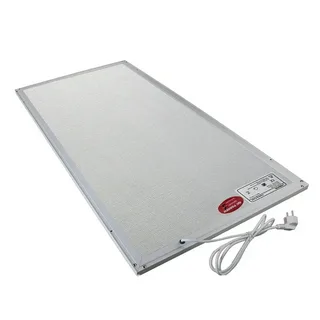
Efficient and effective home heating is an essential consideration for maintaining comfort during colder seasons. An infrared heating system utilises advanced technology to deliver warmth directly to objects, surfaces, and people, bypassing the inefficiencies of conventional air-based methods. By focusing on radiant heat, these systems create a consistent and evenly distributed warmth that enhances indoor comfort. Their energy-efficient design not only reduces overall energy consumption but also minimises the environmental impact of heating. With versatile options for installation and use, infrared heating is becoming an increasingly popular choice for modern households, offering a practical and sustainable solution for creating a cosy living environment.
How Radiant Heat Creates Lasting Indoor Comfort
Radiant heat operates through the emission of infrared rays, which penetrate and warm objects, furnishings, and surfaces within a space, rather than solely heating the surrounding air. This method allows for an even distribution of warmth, reducing temperature inconsistencies and ensuring a steady, comfortable environment. Surfaces warmed by radiant heat retain and slowly release the warmth back into the room, maintaining consistent temperatures for longer periods without frequent adjustments.
Additionally, radiant heat does not rely on air circulation, which helps to preserve indoor air quality by avoiding the movement of allergens or dust particles. This efficient heating method replicates the natural warmth of sunlight, offering a soothing and consistent heat source that enhances indoor comfort. The gentle and direct nature of radiant heating makes it especially well-suited for spaces where uniform and reliable warmth is desired.
Key Advantages of Infrared Technology for Residential Spaces
Infrared technology brings multiple benefits to residential heating, making it an innovative choice for modern homes. One key advantage lies in its ability to provide immediate warmth, as infrared systems heat objects and surfaces directly rather than relying on air circulation. This results in more consistent and even temperature distribution throughout the space. Additionally, these systems operate with minimal noise, ensuring a tranquil environment. Their design helps to maintain indoor air quality by avoiding the spread of dust or allergens, offering a healthier option for households.
Infrared heating is also highly versatile, with systems suitable for various settings, from living areas to bathrooms. Furthermore, its energy-efficient operation ensures that nearly all electricity consumed is converted into heat, reducing energy costs and promoting sustainability. These features make infrared technology an ideal solution for creating a comfortable and efficient home heating experience, tailored to diverse residential needs and lifestyles without compromising on performance or environmental impact.
Choosing an Infrared Home Heating System for Efficient Comfort
Selecting an infrared home heating system requires careful consideration of factors that influence performance and suitability for specific spaces. The heating capacity of the system should align with the room size to ensure adequate warmth without excessive energy use. Additionally, the design and placement options, such as ceiling-mounted or wall-mounted units, can be tailored to the layout of the home for maximum efficiency and aesthetic integration.
Features like temperature controls and programmable settings further enhance functionality, allowing for customised heating schedules. It is also important to assess the energy efficiency rating, as higher efficiency models help minimise operating costs while maintaining consistent warmth. Safety certifications and built-in safety features, such as overheat protection, should be prioritised to ensure reliable operation in a household setting.
Improving Room Warmth with Targeted Radiant Heating
Targeted radiant heating utilises advanced infrared technology to deliver warmth precisely to areas that require it, enhancing room comfort while minimising energy use. This method focuses heat directly on objects and surfaces, avoiding the inefficiency of warming the entire air mass within a space. By concentrating heat on frequently occupied zones, such as seating areas or workspaces, targeted radiant heating ensures consistent comfort in specific locations without unnecessary energy waste.
This approach is particularly advantageous for large or open-plan rooms, where maintaining uniform temperatures can be challenging with conventional heating methods. Infrared room-heaters offer an efficient and practical solution by reducing heat loss and maximising warmth retention in key areas. Their rapid heat delivery eliminates long wait times, ensuring an immediate and reliable source of warmth. The precision of targeted radiant heating not only improves overall comfort but also contributes to lower heating costs and reduced environmental impact, making it a sustainable choice for modern households.
Selecting an Infrared Room Heater for Everyday Living
When selecting an infrared room heater for everyday living, it is important to evaluate features that enhance functionality and safety. Consideration should be given to the heater’s wattage and heat output to ensure it is suitable for the room’s dimensions. Models with adjustable heat settings or thermostatic controls allow precise temperature management, adapting to different requirements throughout the day. The design of the heater, whether wall-mounted, freestanding, or portable, should align with the space’s layout and intended use.
Safety measures, including tip-over and overheat protection, are essential for maintaining a secure environment, especially in homes with pets or children. Additionally, features such as silent operation and minimal maintenance requirements contribute to convenience and usability. The construction quality and materials also impact the durability and performance of the heater, ensuring long-term reliability.
Creating Cosy Spaces through Direct Heat Distribution
Direct heat distribution provided by infrared-heating systems offers a unique approach to creating warm and inviting indoor environments. Instead of relying on convection, which heats the air unevenly, infrared systems deliver warmth directly to surfaces, objects, and people. This targeted method ensures consistent temperatures without the fluctuations commonly associated with traditional heating methods. Infrared heat is absorbed by walls, floors, and furniture, which then gradually radiate the warmth back into the room, promoting a stable and comfortable climate.
This process is highly effective for spaces requiring uniform heat, such as living areas or bedrooms. Furthermore, by focusing on specific zones, these systems enhance energy efficiency, reducing unnecessary heating in unoccupied areas. Their ability to provide instant warmth and consistent coverage makes infrared-heating systems a practical choice for establishing cosy and energy-efficient spaces in the home.
Enhancing Bathroom Comfort with an Infrared Bathroom Heater Panel
An infrared bathroom heater panel utilises advanced heating technology to provide an efficient and targeted warmth solution in one of the home’s most essential spaces. Designed to directly heat surfaces such as floors and walls, these panels create a consistently warm environment that reduces the discomfort of cold surfaces. Their slim and discreet design allows them to integrate seamlessly into modern bathroom aesthetics without compromising functionality.
Resistant to humidity and moisture, these panels perform reliably even in damp conditions, ensuring a safe and durable heating option. By eliminating the need for prolonged preheating, they rapidly achieve optimal temperatures, reducing energy usage while maintaining a pleasant atmosphere. This innovative approach to bathroom heating transforms the space into a practical and inviting retreat, ensuring both comfort and efficiency during daily routines and colder months.
Reducing Energy Waste through Focused Home Heating
Focused home heating using infrared technology provides a practical approach to minimising energy waste. Unlike conventional methods that warm the air across entire spaces, infrared systems concentrate heat directly on objects and surfaces within frequently used areas. This precise heat targeting reduces unnecessary energy consumption by avoiding the heating of unoccupied zones. By delivering warmth efficiently to areas where it is most needed, these systems contribute to lower energy bills and a reduced environmental footprint.
Their rapid heat delivery ensures immediate comfort without extended preheating, further optimising energy usage. The adaptability of infrared heating allows for strategic placement in different parts of the home, maximising its effectiveness while maintaining efficiency. This targeted approach is particularly valuable in larger spaces or areas with specific heating requirements, making infrared systems an energy-conscious choice for modern households.
Where Infrared Heating Works Best Around the Home
Infrared-heating systems demonstrate exceptional versatility, making them suitable for a variety of areas within a home. They are particularly effective in living rooms, where their silent operation and direct warmth create an inviting atmosphere for relaxation. Bedrooms benefit from their ability to maintain a consistent and soothing temperature, supporting restful sleep. In bathrooms, infrared panels provide rapid and focused heating, ensuring comfort even on cold mornings.
These systems are also ideal for conservatories, where conventional heating often proves inefficient due to large glass surfaces. Their adaptability extends to home offices or hobby rooms, where precise and targeted warmth enhances productivity and comfort. By offering tailored solutions for different settings, infrared-heating systems seamlessly integrate into diverse spaces, delivering reliable performance while complementing modern interior designs. This flexibility ensures comfort across a wide range of domestic environments.
Comparing Radiant Heating with Conventional Heating Methods
Radiant heating, particularly through infrared technology, offers distinct advantages over conventional heating methods. Unlike traditional systems that rely on warming and circulating air, radiant heating directly targets objects, surfaces, and people within a space, ensuring a consistent and efficient heat distribution. This direct approach minimises heat loss, especially in larger or poorly insulated areas, where warm air from conventional systems often escapes.
Infrared systems also operate without creating drafts or circulating dust, which can benefit indoor air quality. In contrast, conventional methods may cause uneven temperature zones due to reliance on airflow. Radiant heating achieves warmth quickly without requiring prolonged preheating, unlike some traditional systems that need extended time to reach optimal temperatures. With silent operation and lower energy consumption, radiant heating emerges as a practical and advanced alternative for maintaining comfort and efficiency within residential spaces.
Improving Winter Comfort through Infrared House Heating
Infrared house heating systems provide a dependable solution for maintaining a warm and comfortable indoor environment during the colder months. These systems utilise radiant heat to directly warm walls, floors, and furniture, ensuring consistent temperatures without the fluctuations associated with conventional methods. By minimising heat loss and focusing on occupied areas, they optimise energy use and support lower utility costs.
Their quiet operation enhances the tranquillity of living spaces, while their ability to provide instant warmth eliminates the delays often encountered with traditional heating systems. Infrared heating is also particularly beneficial for poorly insulated homes, as it reduces reliance on heating the surrounding air, which can escape more easily. With flexible options like ceiling-mounted or freestanding units, these systems can be adapted to suit different room layouts and preferences, ensuring practicality and comfort throughout the winter season.
Conclusion
Infrared heating systems represent a forward-thinking approach to residential heating, offering a balance of efficiency, comfort, and sustainability. By focusing on direct heat transfer to objects and surfaces, these systems eliminate reliance on traditional air-heating methods, ensuring steady and consistent warmth. Their adaptability makes them suitable for a variety of spaces, from small rooms to larger living areas, while their energy-efficient operation helps to reduce environmental impact. With rapid heat delivery and low maintenance requirements, these systems provide an innovative and practical solution for maintaining cosy and inviting indoor environments throughout the year.
FAQs
What makes infrared heating unique?
Infrared heating uses radiant heat to directly warm objects and surfaces, bypassing the need to heat the surrounding air. This results in more consistent and efficient warmth.
Is infrared heating suitable for all home areas?
Infrared heating is adaptable and can be installed in various spaces, including living rooms, bedrooms, and bathrooms, offering tailored heating solutions.
Do infrared heaters reduce allergens?
Yes, as infrared systems do not rely on air circulation, they minimise the spread of dust and allergens, promoting improved indoor air quality.
How quickly do infrared heaters provide warmth?
Infrared heaters deliver heat almost instantly by focusing on direct heat transfer, eliminating prolonged preheating.
Is an infrared heating system energy efficient?
An infrared heating system maximises efficiency by converting nearly all electricity into heat, helping reduce unnecessary energy consumption.
What safety measures are included?
Most systems feature built-in protections such as overheating prevention and stability safeguards.
| Related Business Listings |
| Contact Directory |
| Local Business Profiles |