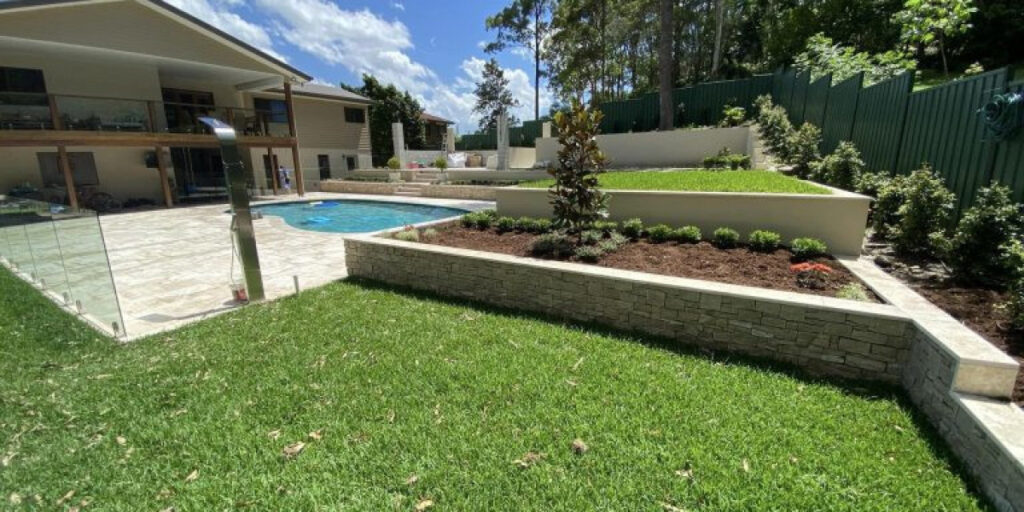
Retaining walls are structural features designed to hold back soil and manage changes in elevation within a landscape. They are particularly useful in areas with uneven terrain, where they create level spaces suitable for a variety of uses. By addressing issues like soil erosion and water drainage, retaining walls Glenlogan help to protect the stability of the surrounding environment. Additionally, these structures can serve decorative purposes, incorporating materials and designs that enhance the visual appeal of outdoor spaces.
Importance of Retaining Walls in Forestdale
Retaining walls in Forestdale play a crucial role in shaping and preserving landscapes, particularly in areas with sloping terrain. These structures provide essential support by preventing soil movement and erosion, ensuring the stability of the surrounding land. By managing water flow and redirecting runoff, retaining walls help to minimise the risk of flooding and waterlogging.
Additionally, they can optimise outdoor spaces by creating functional levels for gardens, patios, or other recreational areas. Retaining walls can also be designed to complement the natural landscape, enhancing the visual appeal of properties.
They serve both practical and aesthetic purposes, making them an integral feature in Forestdale’s landscape architecture. Their ability to combine structural integrity with design flexibility ensures they remain a valued addition to residential and commercial spaces.
Retaining Walls Benefits
Retaining walls in Glenlogan provide essential structural support, particularly in areas with uneven terrain. They help to prevent soil displacement, ensuring stability and protecting the landscape from erosion. These walls also help manage water flow, reducing the risk of flooding and waterlogging, especially during heavy rainfall.
Beyond their functional role, retaining walls in Glenlogan enhance the usability of outdoor spaces by creating terraced levels for gardening or recreation. Their design can be tailored to blend seamlessly with the natural surroundings, enhancing the property’s visual appeal.
By combining practical benefits with aesthetic advantages, retaining walls contribute to a well-organised and visually pleasing environment. Their versatility and ability to address multiple landscaping challenges make them an integral feature in both residential and commercial properties across Glenlogan.
Materials for Retaining Walls in Forestdale
Forestdale uses various materials to construct retaining walls, each offering unique features and benefits. Natural stone provides a classic, durable choice that blends naturally with outdoor surroundings and requires minimal upkeep. Concrete blocks are highly versatile, allowing for customisation in design and size to suit different project needs.
Timber, known for its rustic charm, is an economical option, though it may need periodic treatment to maintain its condition. Additionally, brick offers a traditional aesthetic and sturdy construction.
Design Considerations for Retaining Walls
Several factors must be considered when designing retaining walls to ensure both functionality and visual harmony. The wall’s height and soil type are crucial in determining the necessary structural support and stability. Carefully integrate drainage systems to prevent water buildup, which could compromise the wall’s integrity over time.
Material selection also plays a key role, as it influences durability and the wall’s ability to blend seamlessly with its surroundings. Choosing colours and textures that complement the landscape enhances the overall aesthetic. Incorporating vegetation, such as climbing plants or nearby greenery, can further integrate the wall into its environment.
The slope gradient and load requirements are additional considerations, as they influence the wall’s structural design. Addressing these elements in the planning phase ensures a retaining wall that is both effective and visually appealing in its setting.
Construction Techniques in Glenlogan
Glenlogan uses different construction methods to create sturdy, long-lasting retaining walls suited to varying landscape needs. Gravity walls are built using heavy materials, relying on their mass to stabilise soil effectively. Reinforced walls incorporate materials such as steel or geogrids to enhance strength, making them suitable for taller or more demanding applications. Segmental retaining walls, made from interlocking blocks, offer a flexible solution that is both durable and relatively straightforward to assemble.
The choice of technique depends on factors such as soil composition, wall height, and intended use, with careful planning required to address structural and drainage considerations. Properly executed construction ensures the walls perform their intended function while blending seamlessly into the surrounding environment. Each technique offers distinct advantages, catering to specific site conditions and design preferences in Glenlogan.
Environmental Impact of Retaining Walls
The environmental impact of retaining walls depends significantly on the materials and methods used in their construction. Sustainable choices, such as recycled concrete or reclaimed timber, can reduce a project’s ecological footprint. Properly designed drainage systems also minimise soil erosion and waterlogging, helping to protect surrounding ecosystems.
Additionally, integrating vegetation into the design, such as incorporating green walls or planting native species nearby, enhances biodiversity. Thoughtful planning ensures that retaining walls serve their purpose without disrupting the natural environment.
Regulations for Retaining Walls Forestdale
Local regulations in Forestdale outline specific requirements for constructing retaining walls to ensure safety and compliance. These regulations often address factors such as wall height, load-bearing capacity, and drainage systems to prevent structural failure or environmental issues. Obtain the proper permits before construction begins, and submit detailed plans for approval.
Height restrictions and setback requirements are commonly enforced to maintain the wall’s structural integrity and ensure compatibility with neighbouring properties. Soil conditions and the wall’s intended purpose may also influence regulatory requirements.
Engaging qualified professionals familiar with local codes can help streamline the approval process and minimise potential delays. Following these guidelines ensures retaining walls Forestdale are built to a high standard, reducing risk while contributing positively to the surrounding landscape.
Maintenance of Retaining Walls
Proper maintenance of retaining walls ensures their structural integrity and functionality over time. Regular inspections should focus on identifying cracks, tilting, or signs of drainage issues that may compromise stability. Clearing debris and vegetation from drainage systems is essential to prevent water accumulation, which can weaken the structure. Check the soil around the wall for erosion or displacement, as these may indicate underlying issues.
Promptly repair or replace any damaged materials, such as bricks or timber, to maintain durability. For retaining walls with vegetation, prune plants to prevent root systems from affecting the wall’s stability. Consistent maintenance practices help retain the wall’s aesthetic appeal while prolonging its lifespan.
Cost Considerations for Glenlogan Projects
The cost of retaining wall projects in Glenlogan depends on several variables, including material choice, site conditions, and design complexity. Materials such as natural stone or reinforced concrete tend to have higher upfront costs due to their durability and aesthetic appeal. At the same time, options like timber or modular blocks may be more cost-effective for smaller projects. Labour costs also vary based on installation complexity, such as wall height and curvature.
Additionally, features like advanced drainage systems or custom finishes can affect overall costs. Long-term maintenance requirements should also be factored into budgeting, as this can affect the total investment over time. Careful planning helps balance cost and quality.
Innovations in Retaining Wall Construction
Technological advancements in retaining wall construction have introduced methods and materials that improve efficiency, durability, and design versatility. Precast concrete systems are gaining popularity due to their ease of installation and uniform quality, reducing construction time while maintaining structural reliability.
Modular block systems allow for flexibility in creating unique designs, accommodating a range of landscape requirements. Geosynthetic reinforcements have improved soil stability, providing greater strength for walls in challenging conditions.
Furthermore, innovations in drainage solutions, such as permeable materials, improve water management and reduce environmental impact. These developments reflect a growing emphasis on sustainability and modern design, shaping the future of retaining wall construction to meet diverse needs effectively.
Retaining Walls and Property Value
Retaining walls contribute significantly to property value by enhancing both functionality and aesthetics. They transform uneven or sloping land into usable, levelled spaces for gardens, outdoor seating areas, or other uses. This improvement in landscaping maximises the practical use of a property’s outdoor space.
Additionally, retaining walls add visual appeal, particularly when designed to complement the property’s existing features and surroundings. Their ability to manage water flow and prevent soil erosion further ensures long-term structural stability, which is a desirable feature for property buyers.
These combined benefits often make retaining walls a valuable asset for both residential and commercial properties, enhancing their market appeal and providing a practical solution to landscape challenges.
Future Prospects for Retaining Walls
Advancements in retaining wall construction are expected to prioritise sustainable practices and innovative techniques. Eco-friendly materials, such as recycled composites and permeable systems, are gaining traction due to their reduced environmental impact. Smart technologies, including sensors for structural monitoring, may improve maintenance and longevity by detecting issues early. Modular designs and 3D printing are also anticipated to enhance customisation and efficiency in construction processes.
Additionally, integrating green features, such as living walls, aligns with growing demand for environmentally conscious landscaping. These developments point to a future where retaining walls not only meet functional needs but also support sustainable, adaptable urban planning.
Conclusion
Retaining walls Glenlogan serve as critical structural and aesthetic features for properties across Australia, transforming steep slopes into safe, functional, and visually appealing outdoor living spaces. By mitigating soil erosion, controlling water runoff, and preventing land displacement, these engineered structures protect foundational integrity and enhance usability. Whether utilising natural stone, concrete blocks, brick, or timber, selecting appropriate materials and construction techniques ensures long-term durability. Adhering to local council building regulations, incorporating adequate drainage, and maintaining consistent inspection routines further extends wall longevity. Ultimately, investing in expertly designed retaining walls elevates landscape functionality, safeguards environmental stability, and adds lasting market value to Australian properties.
FAQs
What are the primary structural benefits of installing retaining walls Forestdale?
Retaining walls Forestdale provide essential lateral support to hold back soil on sloping terrain, preventing landslides, soil displacement, and erosion. They manage groundwater drainage efficiently, redirecting stormwater runoff to prevent flooding. By stabilizing uneven ground, these structures create level, usable terraced spaces suitable for gardens, driveways, patios, and outdoor recreational areas across residential properties.
What materials are commonly used for building retaining walls in Australia?
Commonly used materials include natural stone, precast concrete blocks, brick, and treated timber sleepers. Natural stone and concrete offer exceptional durability, high load-bearing capacity, and minimal maintenance. Timber provides a cost-effective, rustic aesthetic but requires periodic treatments. The choice depends on site soil conditions, wall height, budget, and desired architectural style.
Do retaining walls Glenlogan require council permits and engineering approvals?
In Australia, retaining walls Glenlogan regulations vary by local council, but structural approval and engineering certification are generally required if a wall exceeds specific height thresholds, usually one metre. Permits are also necessary if the wall is built near property boundaries, supports surcharge loads from nearby structures, or impacts existing overland water flow paths.
Why is an integrated drainage system essential for retaining wall longevity?
Water accumulation behind a retaining wall creates immense hydrostatic pressure, which is the leading cause of structural cracking, bulging, or total wall failure. Incorporating subsurface drainage, such as agricultural pipes, gravel backfill, and weep holes, allows trapped groundwater to escape freely, relieving pressure and preserving the structural integrity of the wall.
How do retaining walls contribute to increasing overall property value?
Retaining walls significantly boost property value by expanding usable outdoor space, turning steep, unusable land into functional yards or gardens. They enhance kerb appeal through clean architectural lines and quality material finishes. Furthermore, by preventing soil erosion and water damage, retaining walls reassure buyers of structural land stability and long-term security.
| Related Business Listings |
| Contact Directory |
| Local Business Profiles |