Planning a religious journey with family is a special experience. Travelling together to Makkah and Madinah gives relatives an opportunity to share an important spiritual moment, spend time in worship and create memories that remain meaningful for years. At the same time, arranging an international pilgrimage for several people requires careful preparation.
Families need to think about more than flight tickets and hotel bookings. Accommodation, room sharing, transportation, travel documents, health requirements and the needs of elderly members all deserve attention. When these arrangements are not planned properly, even small problems can create unnecessary stress during the journey.
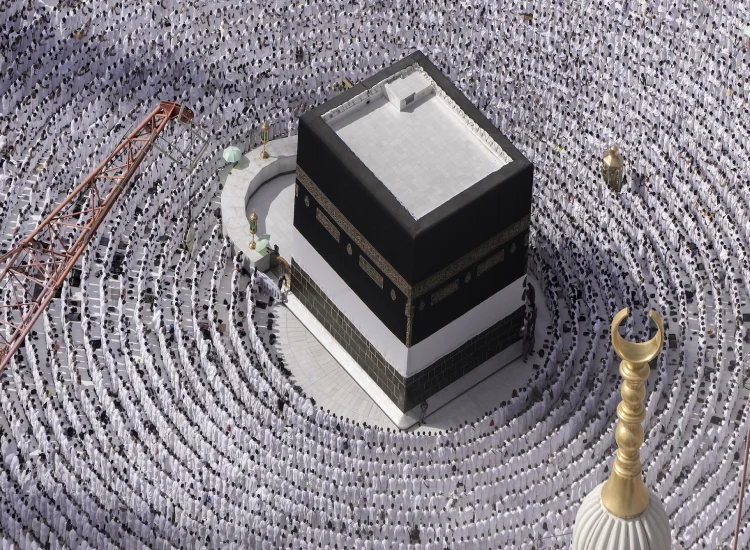
This is why choosing a suitable Hajj and Umrah Tour Operator is an important part of travel planning. A well-organised travel arrangement can help families understand the process, compare available services and prepare for the journey. This guide explains what families should consider before selecting a travel operator and making a booking.
Why Families Need Careful Hajj and Umrah Planning
Travelling alone and travelling with a family are two different experiences. A single traveller may be comfortable with shared accommodation or a tight schedule, but a family often needs arrangements that work for everyone.
For example, elderly parents may need more time to walk, children may require regular breaks, and family members may prefer to stay in nearby rooms. These details should be discussed before booking rather than handled at the last moment.
A family travel plan should consider:
- The number of adults and children travelling.
- Accommodation suitable for the entire group.
- Room-sharing preferences.
- Flight timings and baggage requirements.
- Transportation between airports, hotels and other locations.
- Assistance for elderly or mobility-limited family members.
- Meal arrangements and personal requirements.
- The overall travel budget.
Discussing these needs in advance helps families choose an arrangement that is practical rather than simply attractive on paper.
What Does a Hajj and Umrah Tour Operator Do?
A Hajj and Umrah Tour Operator generally helps pilgrims organise different parts of their religious travel. Depending on the services offered and the applicable official arrangements, this may include travel coordination, accommodation, flights, transportation and documentation assistance.
For first-time pilgrims, understanding these services can make the planning process easier.
A travel operator may help with:
Travel arrangements: Explaining available flight routes, departure schedules and baggage conditions.
Accommodation: Providing details about hotels in Makkah and Madinah, including room categories and location.
Transportation: Explaining airport transfers and travel between different cities or designated locations.
Documentation assistance: Informing pilgrims about the required documents and the applicable application process.
Group coordination: Sharing travel schedules, meeting points and practical instructions.
Journey information: Helping pilgrims understand the travel itinerary and where to seek assistance during the trip.
Not every operator provides the same services. Families should ask for a clear list of inclusions and exclusions before paying.
Choosing a Hajj and Umrah Tour Operator for Families
Finding the right Hajj and Umrah Tour Operator for Families requires more attention than choosing an ordinary holiday package. The travel arrangement should suit the needs of different age groups and provide clear information about the services being offered.
Here are some important points to consider.
1. Check the Operator’s Authorisation and Experience
Before booking, confirm that the relevant provider is authorised to offer the particular Hajj or Umrah arrangement under the current rules.
Hajj and Umrah have different travel requirements. Hajj is subject to official quotas and authorisations, so an ordinary travel booking or Umrah visa should never be treated as permission to perform Hajj.
Ask for relevant registration or authorisation details and verify them through the appropriate official channels. Do not rely only on advertisements, social media posts or verbal assurances.
2. Understand the Family Accommodation Arrangements
Accommodation can have a major effect on the overall travel experience. Families should not assume that everyone will automatically receive rooms together.
Before booking, confirm:
- The hotel names in Makkah and Madinah.
- The exact hotel locations.
- The number of people sharing each room.
- Whether family rooms are available.
- Whether adjoining rooms can be requested.
- Bathroom and accessibility facilities.
- The distance from the relevant holy sites.
If elderly parents are travelling, ask about lifts, walking routes and transport options. A convenient location can be especially important for family members who may find long walks difficult.
3. Review the Flight and Transportation Schedule
International travel can be tiring, especially when children or older relatives are part of the group. Flight timings, connecting journeys and airport transfers should be checked carefully.
Ask which airport the group will depart from, whether the flight is direct or connecting and what baggage allowance applies.
Also confirm whether airport transfers are included and how transportation between Makkah and Madinah will be arranged. If the package includes other transfers, ask for the schedule and whether they are private, shared or group-based.
A clear itinerary helps families prepare for travel days and avoid unnecessary confusion.
Planning Hajj and Umrah Separately
Although Hajj and Umrah both involve visiting the holy cities, their religious requirements and travel arrangements are not identical.
Umrah can generally be performed throughout the year, subject to current Saudi regulations and applicable visa conditions. Its main rituals include entering Ihram, Tawaf and Sa’i.
Hajj takes place on prescribed days in Dhul Hijjah and includes additional rites such as standing at Arafat, spending time in Muzdalifah and carrying out the prescribed activities in Mina.
Families should make sure they understand which pilgrimage they are booking. Hajj requires the relevant official authorisation for the particular season. Do not assume that a general international travel arrangement or an Umrah visa allows participation in Hajj.
A suitable travel operator should explain the differences clearly and provide information about the applicable process.
Preparing Elderly Family Members for the Journey
Many families travel with parents or grandparents. For them, comfort and accessibility should be discussed early.
Hajj and Umrah can involve considerable walking, waiting in crowded areas and spending time outdoors. Even a comfortable hotel cannot remove every physical challenge associated with the pilgrimage.
Before booking, consider:
- How far the accommodation is from places of worship.
- Whether suitable transportation is available.
- Whether lifts and accessible facilities are provided.
- Whether the daily schedule allows sufficient rest.
- How family members will stay in contact.
- Who can assist if an elderly traveller needs help.
If an elderly family member has a medical condition, consult a healthcare professional before travel. Keep prescribed medicines in their original packaging and carry essential medical information.
Documents and Travel Requirements for Families
Preparing documents for several people can take time. It is better to check the requirements early rather than waiting until the departure date approaches.
Depending on current rules, family members may need valid passports, the appropriate visa or Hajj authorisation, identification documents and health-related records.
Create a separate document checklist for every traveller. Check names and personal details carefully, as differences between travel documents and booking records can cause difficulties.
Ask the travel operator which documents they can help organise and which applications must be completed by the pilgrim. Documentation assistance does not guarantee approval; final decisions rest with the relevant authorities.
Also confirm current health and vaccination requirements through official guidance before departure.
Understanding the Cost of a Family Pilgrimage
The total cost of travelling as a family depends on several factors. These may include the season, number of travellers, hotel category, room occupancy, flight route, transportation and services included in the arrangement.
A lower advertised price does not always mean better value. Some packages may exclude meals, transfers or other services that families later need to arrange separately.
Before making a payment, ask for a written cost breakdown covering:
- Flight tickets and baggage allowance.
- Accommodation in Makkah and Madinah.
- Room-sharing arrangements.
- Transportation and transfers.
- Meals, if included.
- Visa or documentation-related charges.
- Additional services and optional activities.
- Cancellation and refund conditions.
Families should also keep some money aside for personal expenses, medicines, communication and unexpected needs.
How to Prepare Children for Hajj and Umrah
Travelling with children requires a little extra planning. Parents should explain the journey in simple language so children understand where they are going and why the trip is important.
Pack comfortable clothing, suitable footwear and essential personal items. Keep a small supply of snacks and other permitted necessities for travel days.
In crowded places, agree on a family meeting point and make sure children know how to contact a parent or responsible adult if they become separated. Keep identification details accessible and supervise children closely.
A realistic schedule with suitable rest periods can help the whole family manage the journey more comfortably.
Questions to Ask Before Confirming a Booking
Before selecting a Hajj and Umrah Tour Operator for Families, take time to ask practical questions. Clear answers can help you understand exactly what you are paying for.
- What services are included in the package?
- Which hotels are confirmed?
- How many people will share each room?
- What are the flight dates and routes?
- Which transfers are included?
- Is family accommodation available?
- Is assistance available for elderly pilgrims?
- What documentation support is provided?
- What are the cancellation and refund policies?
- Who should the family contact during the journey?
Request written confirmation of important details. Keep receipts, booking documents and communication records safely.
Common Mistakes Families Should Avoid
Some travel problems happen because important details are left unconfirmed. Avoid choosing a package only because of an attractive price or a promise of guaranteed approval.
Other mistakes include:
- Not checking whether the Hajj arrangement is officially authorised.
- Assuming all family members will receive nearby rooms.
- Ignoring hotel location and walking distances.
- Not checking flight and baggage information.
- Forgetting to budget for additional expenses.
- Leaving document preparation until the final weeks.
- Not considering the health and mobility needs of elderly relatives.
Taking time to check these points can help families make a more informed decision.
Final Thoughts
A family pilgrimage needs thoughtful planning, clear communication and an understanding of everyone’s requirements. The right Hajj and Umrah Tour Operator for Families should be able to explain the available arrangements, provide transparent service details and guide travellers through the applicable travel process.
When comparing a Hajj and Umrah Tour Operator, look beyond the package price. Check accommodation, transportation, flight details, documentation support, family room arrangements and official authorisation requirements.
Most importantly, prepare every family member for the spiritual and practical aspects of the journey. With suitable planning, clear expectations and reliable information, families can approach Hajj or Umrah with greater confidence and give more attention to the purpose of their pilgrimage.