Clinics exploring this technology often begin by finding a reliable fractional co2 laser supplier who can explain the device, provide training and support the clinic after installation. A fractional CO2 laser is a significant investment, and the supplier’s knowledge and after-sales service matter almost as much as the machine itself. This guide explains how the technology works, what it is used for, and what a clinic should consider before adding it to the treatment menu.
A fractional CO2 laser works by delivering laser energy in a pattern of tiny columns, treating a fraction of the treated area at each pass while leaving the surrounding tissue untouched. The treated columns encourage the body’s natural renewal processes, while the untreated areas help the complexion recover more quickly than it would after a fully ablative treatment. The depth and density of the columns can usually be adjusted, which allows a trained practitioner to tailor the treatment to the concern being addressed and to the individual client.
The technology is used for a range of concerns, including the appearance of fine lines, uneven texture, acne scarring and stretch marks. It is also used for general complexion resurfacing, where the aim is a fresher, smoother appearance. Because the treatment reaches below the surface, it is more intensive than a gentle facial, and it is not suitable for everyone. A thorough consultation, including a review of medical history and current medication, is essential before any session is booked.
What a Clinic Should Look for in a Device
The most useful features are the ones that give a practitioner control. Adjustable energy levels, variable spot sizes and the ability to change the density of the treatment pattern allow the same machine to be used for light refreshment sessions and for deeper corrective work. A clear display and an intuitive interface help the practitioner work confidently, while a well-designed handpiece reduces fatigue during longer sessions. The cooling system also matters, because it affects both comfort and safety during treatment.
Reliability is just as important as flexibility. A laser that is frequently out of service costs the clinic income and disappoints clients who have booked in advance. Before buying, it is worth asking about the lifespan of key components, the availability of spare parts and the typical response time for repairs. A supplier that can answer these questions with specifics, rather than general reassurance, is usually a safer choice. References from other clinics that use the same model can provide an honest picture of day-to-day reliability.
Training, Safety and Consultations
Training is not optional with this type of device. Practitioners must understand the technology, the settings, the contraindications and the correct response if something goes wrong. A reputable supplier provides thorough initial training and refresher sessions, and a clinic should also have its own protocols for consultations, consent and record-keeping. Every session should be documented, including the settings used, the areas treated and any reactions observed, so that later sessions can be planned safely.
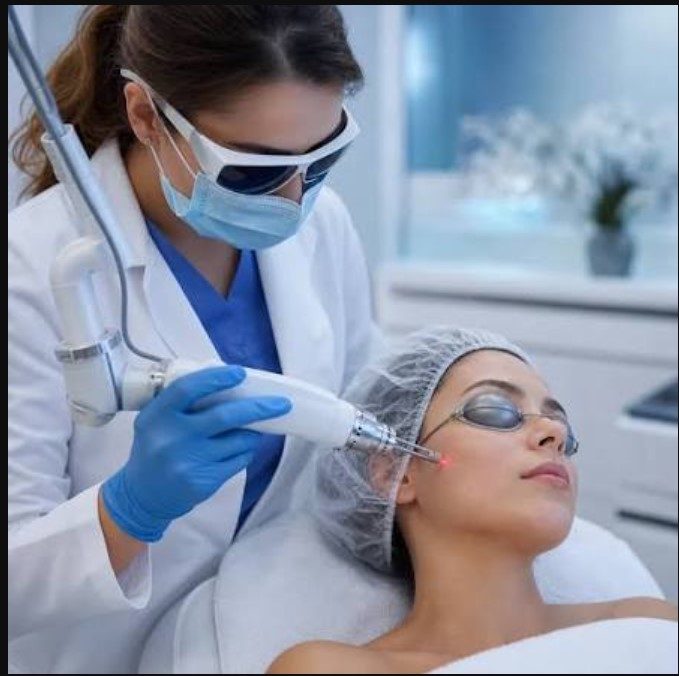
Safety protocols extend beyond the treatment itself. Protective eyewear for the practitioner and the client, proper ventilation, and a clear procedure for handling the device are all part of safe practice. The treatment room should be set up so that the laser can be used without interruption, and staff should know what to do in an emergency. These routines may seem formal, but they protect both clients and the clinic, and they are a mark of a professional operation.
Aftercare and Managing Expectations
Aftercare is a major part of the client experience with fractional CO2 treatment. The treated area is usually red and swollen for several days, and the complexion may feel rough as it renews itself. Clients need clear written instructions: gentle cleansing, regular moisturising, strict sun protection and a break from active skincare ingredients until the area has settled. A follow-up call or appointment a few days after the session shows care and allows the clinic to check that healing is proceeding normally.
Managing expectations is equally important. Results develop over weeks as the renewal process continues, and several sessions may be needed for the best outcome. A good consultation explains this honestly, including the downtime involved and the fact that individual responses vary. Clients who understand what to expect are more satisfied and more likely to return, while clients who were promised a quick transformation are often disappointed however well the treatment is performed.
Frequently Asked Questions
Is fractional CO2 laser treatment painful?
Most clients describe the sensation as uncomfortable, and a numbing cream is normally applied beforehand. Sensitivity varies between individuals and between different areas. The practitioner can adjust the settings to keep the treatment tolerable, and cooling during the session also helps.
How long is the recovery period?
Recovery varies with the intensity of the treatment. The treated area is typically red and swollen for several days, and the complexion may feel rough while it renews. Most clients can return to light activities fairly soon, but sun protection and gentle care are important until healing is complete. A qualified practitioner can give a realistic timeline at consultation.
Who should avoid this treatment?
The treatment is not suitable for everyone. People with certain medical conditions, those taking particular medications, and those with very recent sun exposure may need to wait or choose a different option. A thorough consultation and medical history review are essential before any session is booked.
Conclusion
A fractional CO2 laser can be a valuable addition to a clinic’s treatment menu, offering a powerful option for texture, scarring and resurfacing that gentler treatments cannot match. Success depends on realistic expectations, thorough training, careful consultations and disciplined aftercare. Choosing the right device and the right supplier, and taking the time to learn the technology properly, will help any clinic offer this treatment safely and confidently.