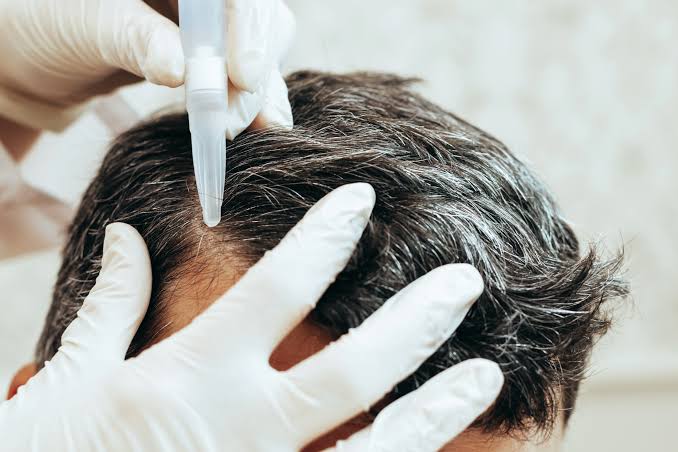
Hair fall is a common concern that can affect people of different ages and backgrounds. Finding more hair on a pillow, noticing a widening parting, or seeing the scalp become more visible can be worrying. Although some hair shedding is a normal part of the hair growth cycle, persistent or excessive hair loss may indicate an underlying issue that needs attention.
Understanding the cause is the first step towards choosing suitable care. Hair fall can be associated with stress, nutritional deficiencies, hormonal changes, genetics, scalp conditions, or certain medications. The right approach depends on the type of hair loss, how long it has been occurring, and the individual’s overall health.
For people exploring hair fall treatment in Dubai, understanding the available options can help them make informed decisions. This guide explains common causes of hair loss, professional treatment approaches, everyday hair care practices, and signs that it may be time to consult a healthcare professional.
What Is Hair Fall and When Should You Be Concerned?
Hair fall refers to the loss of hair from the scalp, while hair thinning occurs when hair becomes less dense or individual strands become finer. It is normal to shed some hair every day as part of the natural growth cycle. However, noticeable changes in hair volume, persistent shedding, or the appearance of bald patches may require professional assessment.
Hair generally passes through three main stages: growth, transition, and resting, followed by shedding. When this cycle is disrupted, more hairs than usual may enter the shedding phase, or hair follicles may gradually produce thinner strands.
Common signs that deserve attention include:
- Increased hair shedding during washing or brushing.
- A gradually widening parting or a visibly thinner crown.
- Receding hairline or thinning around the temples.
- Small, round patches of hair loss.
- Scalp itching, redness, scaling, or discomfort.
- Hair that breaks easily or feels noticeably weaker.
Sudden hair loss, rapidly developing bald patches, or hair loss accompanied by scalp pain or inflammation should be evaluated promptly by a healthcare professional.
What Are the Common Causes of Hair Fall?
Hair loss does not have a single cause. Identifying the underlying trigger helps determine which treatment options are likely to be appropriate.
1. Genetics and Hereditary Hair Loss
Androgenetic alopecia, commonly known as hereditary hair loss, is one of the most frequent causes of gradual thinning. It can affect both men and women, although the pattern of hair loss may differ.
Men may notice a receding hairline or thinning at the crown, while women often experience a widening central parting and reduced hair density. This condition usually develops gradually and may require ongoing management.
2. Stress and Lifestyle Changes
Physical or emotional stress can disrupt the hair growth cycle. Significant illness, surgery, major life changes, rapid weight loss, or prolonged stress may trigger a condition called telogen effluvium, in which increased numbers of hairs enter the shedding phase.
This type of hair loss often becomes noticeable several weeks or months after the triggering event. Shedding may improve when the underlying cause resolves, although recovery can take time.
3. Nutritional Deficiencies
Hair growth depends on adequate nutrition. Low iron levels, insufficient protein intake, and certain vitamin or mineral deficiencies may contribute to hair loss in some individuals.
Restrictive diets and rapid weight reduction can also affect hair health. Supplements should not be taken indiscriminately, as excessive intake of certain nutrients may worsen hair loss or cause other health problems. Testing and professional advice can help identify whether supplementation is necessary.
4. Hormonal Changes and Medical Conditions
Changes in thyroid function, hormonal fluctuations after pregnancy, and certain endocrine conditions may contribute to excessive shedding or thinning. Some medications and chronic illnesses can also affect hair growth.
When hair loss develops alongside fatigue, unexplained weight changes, menstrual irregularities, or other new symptoms, a healthcare professional may recommend further assessment.
5. Scalp Conditions and Hair Damage
Dandruff, inflammatory scalp conditions, fungal infections, and certain autoimmune disorders can contribute to hair loss. Tight hairstyles, frequent chemical treatments, excessive heat styling, and aggressive brushing may also cause breakage or traction-related hair loss.
Recognising whether the problem involves the hair follicles, scalp, or hair shafts is important because these issues require different approaches.
Hair Fall Treatment in Dubai: Available Care Options
The most suitable treatment depends on the cause, severity, and pattern of hair loss. There is no single solution that works for everyone, and some treatments require several months before visible changes can be assessed.
Medical Assessment and Personalised Treatment
A professional evaluation generally begins with a discussion of symptoms, medical history, family history, medications, diet, and recent health changes. A healthcare professional may examine the scalp and hair pattern and recommend blood tests when a deficiency or medical condition is suspected.
Depending on the findings, treatment may focus on correcting an underlying problem, managing a scalp condition, or addressing hereditary hair thinning.
Topical Treatments
Topical minoxidil is an established treatment option for certain types of hair loss, including hereditary hair thinning. It may help support hair growth and slow further loss in suitable patients.
Results vary, and consistent use is generally necessary to maintain benefits. Some people experience scalp irritation or an initial increase in shedding. A healthcare professional can explain whether it is appropriate, how to use it safely, and what precautions apply.
Prescription Medication
Certain prescription medicines may help manage hereditary hair loss in selected patients. Their suitability depends on factors such as sex, age, medical history, pregnancy considerations, and potential side effects.
These treatments should only be used following appropriate medical guidance. Medication intended for one type of hair loss may not be effective for another, so identifying the cause remains essential.
Platelet-Rich Plasma (PRP) Therapy
Platelet-rich plasma therapy uses a prepared portion of a patient’s own blood that contains a concentrated amount of platelets. It is injected into selected areas of the scalp with the aim of supporting hair growth.
PRP may be considered for some patients with hair thinning, particularly certain forms of hereditary hair loss. However, results vary, treatment protocols differ, and the evidence is still developing. It is not a guaranteed solution, and several sessions may be recommended depending on the clinical assessment.
Low-Level Light or Laser Therapy
Low-level light therapy uses specific wavelengths of light to target the scalp. Some devices are designed to support hair density in people with certain forms of hair loss.
The potential benefit varies by device and individual circumstances. Patients should discuss the evidence, expected results, cost, and need for continued use before choosing this option.
Hair Transplant Surgery
Hair transplantation may be suitable for selected individuals with stable, permanent hair loss and sufficient donor hair. The procedure involves moving hair follicles from a donor area to areas affected by thinning.
It is a surgical procedure that requires careful assessment, realistic expectations, and discussion of possible risks. It may not be appropriate for temporary shedding, active scalp disease, or every pattern of hair loss.
How Can You Care for Your Hair at Home?
Everyday habits can support scalp health and reduce avoidable hair damage. Although home care cannot reverse every type of hair loss, consistent routines can help protect existing hair.
Consider the following practices:
- Eat a balanced diet: Include adequate protein, vegetables, fruits, whole grains, and sources of iron and other essential nutrients.
- Handle wet hair gently: Wet hair can be more vulnerable to breakage, so use a wide-tooth comb and avoid rough towel drying.
- Limit excessive heat: Reduce frequent use of high-temperature styling tools and use appropriate heat protection.
- Avoid tight hairstyles: Repeated tension from tight ponytails, braids, or extensions can damage follicles over time.
- Choose suitable scalp products: Use a shampoo appropriate for your scalp and seek advice if itching, scaling, or inflammation persists.
- Manage stress: Regular physical activity, sufficient sleep, and relaxation practices may help reduce stress-related triggers.
- Avoid unverified remedies: Products claiming to regrow hair rapidly or permanently may lack reliable evidence.
It can also help to take photographs of the scalp every few weeks under similar lighting. This provides a more consistent way to track changes than checking the mirror several times a day.
How to Choose the Right Hair Fall Treatment
When considering treatment, focus on the diagnosis rather than the popularity of a particular procedure. A useful consultation should explain the likely cause, available options, expected timeline, possible side effects, and limitations of treatment.
Before starting a treatment, consider asking:
- What is the most likely cause of my hair loss?
- Are any tests needed to investigate possible deficiencies or medical conditions?
- Which treatments are appropriate for my specific pattern of hair loss?
- How long might it take to assess the results?
- What are the potential risks, costs, and maintenance requirements?
Minal Medical Centre can be a point of contact for individuals seeking information about hair and scalp concerns in Dubai. A consultation with an appropriately qualified healthcare professional can help clarify the next steps and whether further assessment or specialist referral is needed.
How Long Does Hair Fall Treatment Take to Work?
Hair growth is gradual, so treatment rarely produces immediate results. Depending on the cause and the chosen approach, some people may need several months to notice meaningful changes in shedding or density.
For temporary hair shedding, improvement may occur after the underlying trigger is addressed, although visible regrowth takes additional time. Hereditary hair loss generally requires longer-term management, and some treatments must be continued to maintain their effects.
Progress also depends on the person’s health, consistency with treatment, and whether the underlying cause has been correctly identified. Regular follow-up can help determine whether a treatment is working or whether the care plan needs to be reconsidered.
Frequently Asked Questions
1. What is the best treatment for hair fall in Dubai?
The best treatment depends on the underlying cause. Options may include correcting nutritional deficiencies, treating scalp conditions, using topical medication, considering prescription treatments, or exploring selected procedures such as PRP. A professional assessment helps determine the most suitable approach.
2. Can hair fall be treated permanently?
Some causes of hair loss are temporary and may improve once the trigger is addressed. Hereditary hair loss usually requires ongoing management, while certain forms of scarring hair loss may cause permanent damage to follicles. Outcomes depend on the diagnosis and how early appropriate care begins.
3. Which vitamin deficiency causes hair fall?
Low iron levels and certain nutritional deficiencies can contribute to hair loss. However, not all hair shedding is caused by a vitamin deficiency, and taking supplements without identifying a need may be ineffective or harmful. A healthcare professional can recommend appropriate testing.
4. Does stress-related hair fall grow back?
Stress-related hair shedding often improves after the triggering factor resolves. However, the recovery process can take several months, and visible regrowth may take longer. Persistent or worsening shedding should be assessed to rule out other causes.
5. When should I consult a doctor for hair loss?
Consult a healthcare professional if hair loss is sudden, persistent, progressively worsening, or associated with bald patches, scalp pain, redness, or significant itching. Early assessment can help identify treatable causes and prevent further damage in certain conditions.
Conclusion
Hair fall can result from genetics, stress, nutritional deficiencies, hormonal changes, medical conditions, or damage to the scalp and hair. Understanding the cause is essential for choosing an appropriate treatment and setting realistic expectations about recovery.
A balanced diet, gentle hair care, and timely medical advice can all play a role in protecting hair health. For individuals exploring hair fall treatment in Dubai, Minal Medical Centre may be a starting point for discussing hair and scalp concerns and understanding appropriate care options. With a proper assessment and a suitable treatment plan, individuals can make more informed decisions about managing hair loss and supporting long-term scalp health.