Looking into septic tanks pumping Jesup GA before it becomes an emergency? Good. Here’s the real stuff homeowners need to know, no fluff, just what actually matters when it’s time to call someone out.
Nobody wakes up excited to think about their septic tank. I get it. Most people in Jesup don’t even know where the lid is buried half the time, they just know the system “works” until it doesn’t. But here’s the thing, waiting until something goes wrong is how a $300 pump job turns into a $9,000 nightmare. So let’s talk about what you actually need to know, not the sanitized version.
The Ground Around Jesup Plays a Bigger Role Than People Think
Our soil holds water. Anyone who’s lived here through a rainy summer knows that already. When the ground’s already saturated, your drain field can’t do what it’s supposed to do, and a tank that’s close to full just adds fuel to that fire. I’ve talked to homeowners who swore their system was “fine” right up until a storm proved otherwise. It’s not always your tank’s fault, sometimes it’s just Georgia weather being Georgia weather.
So How Often Do You Actually Need to Pump
Every three to five years, that’s the number you’ll hear thrown around most. But honestly? That’s a starting point, not a rule carved in stone. A house full of teenagers doing laundry nonstop is gonna need pumping way sooner than, say, an older couple who’s barely home. If you’ve got no clue when it was last done, that alone tells you something, right there.
The Warning Signs Nobody Takes Seriously Until It’s Bad
Slow drains. People blame the sink, the shower, whatever’s closest. Then there’s that smell, you know the one, lingering near the yard for no good reason. Grass growing suspiciously green over one patch of the drain field? Yeah, that’s not a coincidence. Toilets gurgling when you flush is another one folks just live with for way too long before doing anything about it.
Know Your Tank Size Before You Even Pick Up the Phone
This one trips people up constantly. Tanks around Jesup usually sit somewhere between 750 and 1,500 gallons, depending on the house, depending on when it was built. If you’ve got old paperwork lying around from the install, go find it, it’ll save you a headache later. And if you don’t have it? Don’t panic, a decent crew can figure it out pretty fast once they’re standing there looking at it.
What a Pumping Appointment Actually Looks Like
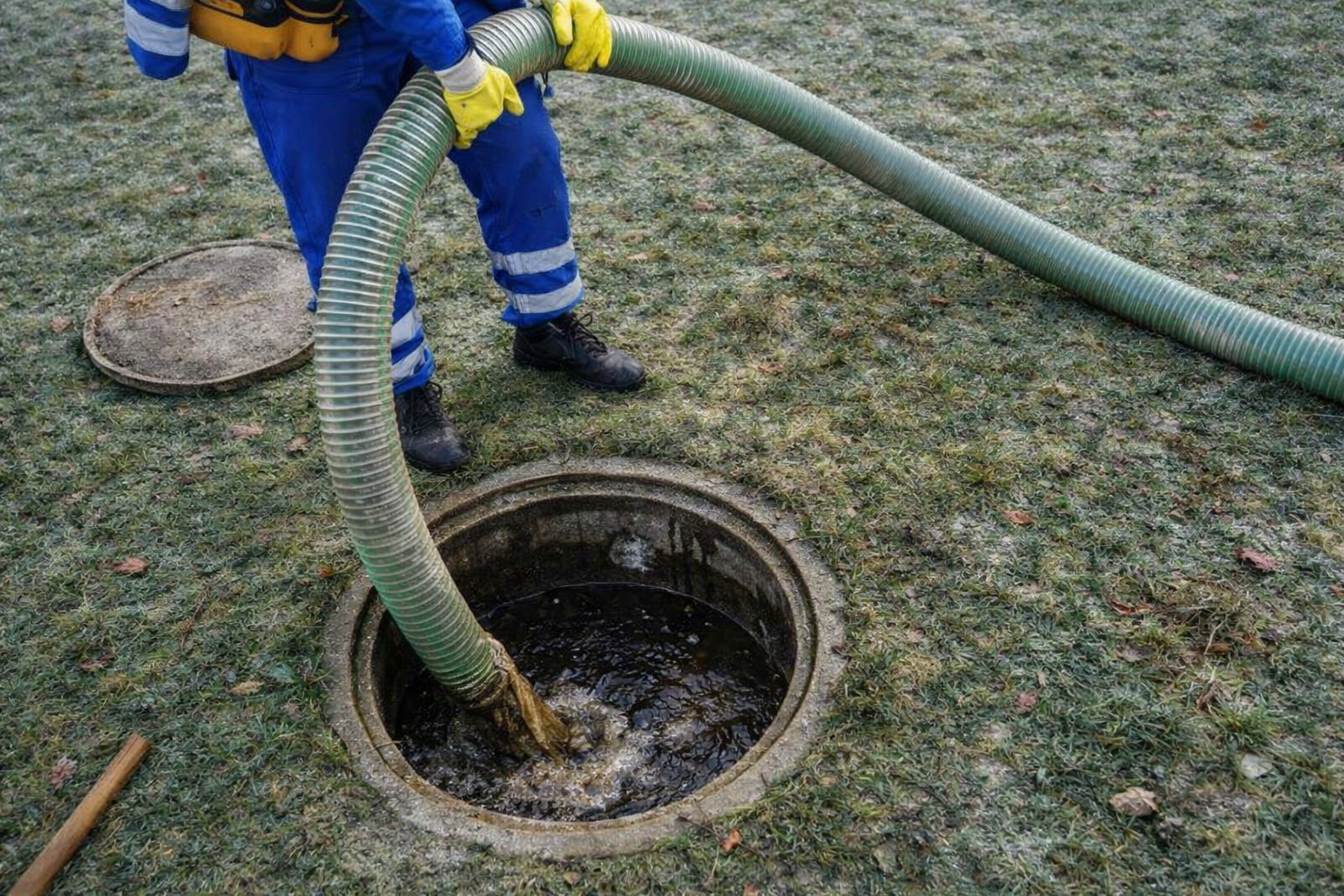
It’s not some big production. A technician shows up, finds the access lid (which, fun fact, sometimes takes longer than the pumping itself if it’s buried), and vacuums out everything inside. Thirty minutes, maybe an hour, done. A good tech will also poke around and check the baffles and overall tank condition while they’re down there, because that’s usually where trouble starts brewing first. If someone’s in and out in five minutes flat without checking anything else, I’d be a little suspicious honestly.
Access to the Tank Matters More Than You’d Guess
Here’s something that catches people off guard. If your lid’s buried under a foot of dirt and landscaping, that’s extra digging, extra time, extra cost. A lot of homeowners end up putting risers in after their first pump just so they never have to deal with that mess again. Small cost now, saves you money and frustration every time after. Worth bringing up with whoever you hire.
Pricing Isn’t One Flat Number, No Matter What Anyone Tells You
Cost depends on tank size, how easy it is to get to, and how much buildup is actually sitting in there. A tank that’s overdue by a couple years is gonna cost more to pump than one that’s right on schedule. If a company quotes you a flat price over the phone without asking a single question first, that’s not a real quote, that’s a guess dressed up to sound official.
Don’t Skip the Inspection Just Because Pumping Feels Like Enough
Pumping without checking the tank is kind of like changing your oil and never looking under the hood. A thorough tech can spot cracks, root problems, or a drain field that’s starting to fail, way before it turns into a full-blown disaster. Catching that early is the difference between a quick fix and a system replacement that drains your savings. I’ve seen both sides of that coin, and the early catch is always, always cheaper.
Picking the Right Company Actually Matters
Owning a vacuum truck doesn’t make someone good at this job. You want a company that’s licensed in Georgia, insured, and ideally has actual history working septic systems specifically around Wayne County. Local soil knowledge isn’t just a nice-to-have, it genuinely changes how they approach your system. Ask questions. Ask a lot of them. If a company makes you feel dumb for asking, that’s your answer right there, move on.
Final Thoughts
Putting off septic tank pumping doesn’t make the problem go away, it just relocates the problem to somewhere worse, usually your yard or, god forbid, inside your house. Once solids start leaking into the drain field, pumping alone won’t fix it anymore, you’re looking at bigger work and bigger bills. Septic tank pumping Jesup GA homeowners deal with is honestly one of those unglamorous chores that quietly keeps everything running the way it should. Pay attention to the signs, know roughly when things were last serviced, and don’t wait around for a disaster to force your hand. And if things start going downhill faster than expected, don’t be afraid to look into Septic System repairs before a small annoyance becomes a full-blown overhaul of your whole yard.
FAQs
How much does septic tank pumping cost in Jesup, GA?
Depends on the tank, honestly. Size and accessibility swing the price a lot, and an overdue tank usually costs more than one pumped on schedule.
How do I know if my septic tank needs pumping?
Slow drains, weird smells near the yard, gurgling toilets. Notice two of those at once, don’t wait around, just call someone.
How often should septic tanks be pumped in Jesup, GA?
Three to five years is the general rule, but household size and water usage can push that number earlier or later.
Can I pump my septic tank myself?
No, not really, not safely anyway. It needs real equipment and proper disposal, so this one’s a job for a pro, not a weekend project.
What’s the difference between septic pumping and septic system repairs?
Pumping clears out waste buildup. Repairs fix actual damage, cracks, broken pipes, failing drain fields. Sometimes ignoring one leads straight into needing the other.