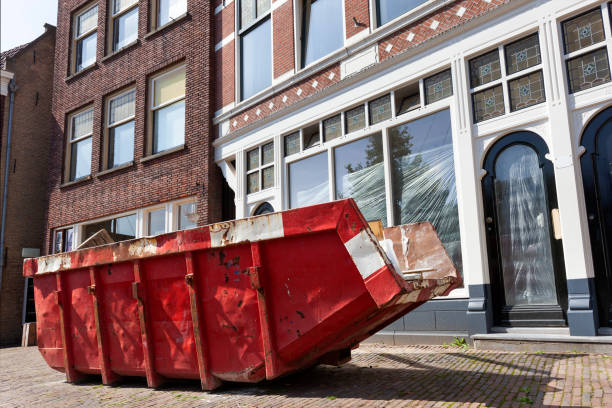
Here’s the thing about big projects. People plan the lumber, the crew, the permits, the paint colors. Then week two hits, there’s a mountain of drywall scraps in the driveway and twelve guys asking where the bathroom is. It happens constantly.
If you’re dealing with a remodel, a roof tear-off, an estate cleanout, or a ground-up build, sorting out dumpster rental Houston early saves you real headaches. Same goes for long term porta potty rental if the job is going to run past a few weeks. These two services don’t sound exciting, but they keep a site legal, clean, and moving. Skip them and you’ll lose days. Maybe weeks.
This post walks through how both work around here, what to watch for, and where people usually mess up. Houston has its own quirks, the heat, the humidity, the storms, the tight neighborhoods with HOAs that notice everything. So we’ll talk about that too. Nothing fancy, just the stuff I’d tell a friend who asked.
Picking the Right Dumpster Size Without Overpaying
Sizes confuse people. You’ll usually see 10, 20, 30, and 40 yard options, and the number refers to cubic yards of space, not how much it weighs. A 10 yard is small. Think a bathroom gut or a garage cleanout. A 20 yard is the one most homeowners end up with for a kitchen remodel or a full roof. The 30 and 40 are for big stuff, new construction, major demo, commercial work.
Most folks guess too small. Then they pay for a second haul, which costs more than just getting the bigger box in the first place. If you’re stuck between two sizes, go up. Seriously.
Weight matters as well. Every rental comes with a weight allowance, and going over means extra fees. Concrete, brick, dirt and roofing shingles are heavy, way heavier than they look. A 10 yard can fill up on weight long before it fills up on space. Ask the company about heavy-material limits before you load anything.
When you’re comparing dumpster rental Houston options, ask what the flat rate covers. Delivery, pickup, a set number of days, a tonnage cap. Some outfits quote low and then add on fees later. A good one tells you everything up front, even the boring parts.
What You Can and Can’t Throw Away
This trips people up more than anything. Not everything goes in the dumpster, and haulers aren’t being difficult, there are real rules behind it. Paint, solvents, batteries, tires, appliances with refrigerant, and anything hazardous usually need separate handling. Some companies take certain items for an added fee. Others flat out refuse them.
Normal construction debris is fine. Wood, drywall, flooring, siding, carpet, general household junk, yard waste. Most of it is no problem. But the second someone tosses a half-empty can of stain in there, the driver can reject the load or charge you extra. Not worth it.
Don’t overfill either. Debris has to stay at or below the top rim, nothing sticking out. Trucks can’t legally haul an overloaded container down the road, and if it’s piled high the driver will make you pull stuff off. It’s annoying and it’s avoidable. Load heavy stuff along the bottom, flat stuff on top, break down boxes and furniture so you aren’t hauling air.
If you aren’t sure whether something is allowed, call before you toss it. One phone call beats a surprise fee.
Where the Dumpster Goes and Whether You Need a Permit
Placement sounds simple until the truck shows up. Dumpsters are big and the delivery truck needs room to maneuver, tilt the bed, and slide the container off. Overhead wires, low branches, and narrow driveways can all cause problems. Measure the space. Then measure it again.
Driveways are the easy option, but a heavy container can scratch or crack concrete or pavers. Put plywood boards under the rails if you’re worried, most companies will tell you to. If the only spot is the street, things get more complicated. In many parts of Houston, placing a container on a public street or right of way requires a permit from the city. Some neighborhoods and HOAs have their own rules too, sometimes stricter than the city’s.
Don’t assume your hauler handles the permit. Some do, some don’t. Ask directly. Getting a ticket or a nasty letter from the HOA while the dumpster sits there is a bad time, and it tends to happen on a weekend.
Also think about access for your crew. Park the container close to where the debris is generated, but not in the way of deliveries or equipment. A little planning on day one prevents everyone from tripping over it for three months.

Rental Length, Swaps, and Keeping the Work Moving
Standard rental periods run about a week, sometimes a bit less or more depending on the company. For a small job, that’s plenty. For longer work you’ve got options, extended rental days or scheduled swaps where they haul the full one away and drop an empty.
Swaps are huge on bigger jobs. A demo crew can fill a 30 yard faster than you’d believe. If you’re waiting two days for a pickup while debris piles up on the lawn, you’ve got a mess and a safety problem. Call for a swap when the box is about three quarters full, not when it’s overflowing. Companies in a busy city like Houston get booked up, especially after storms or during spring cleaning season.
Weather plays into this. Houston rain doesn’t mess around, and a wet load is a heavier load. Cover the container if you can, especially if you’re tossing drywall or insulation. Soaked debris can push you over the weight cap without you realizing.
Plan your schedule around the dumpster. If you know demo is Monday through Wednesday, have it delivered Sunday or first thing Monday. Fewer idle days means a lower bill, and your crew isn’t tripping over trash they have nowhere to put.
When a Job Site Needs a Toilet, and How Many
Now the other half. If anyone is working on your property for more than a day or two, they need a bathroom. For commercial and construction sites, that’s not just courtesy, workplace safety rules generally require sanitation facilities based on how many workers are on site. The rough rule of thumb is one unit for every twenty workers, though bigger crews and longer shifts call for more. When in doubt, add one. Nobody has ever complained about having too many.
Long term porta potty rental is what you want when a job stretches past a few weeks. Building a house, running a commercial buildout, doing a long road or utility project, those jobs can go on for months, sometimes longer. Short-term event rentals aren’t designed for that kind of use. Long-term rentals come with regular servicing built in, and the pricing is set up for the longer haul.
Think about who’s actually using these things. Crew size, how many hours a day, whether it’s a mixed crew that needs separate access. Also think about accessibility. If the site is open to the public, or you’ve got folks who need an ADA compliant unit, you’ll need at least one of those too. Ask early because supply can be limited.
Handwashing stations aren’t optional on a lot of sites either. Add them. Your crew will appreciate it and so will any inspector who walks through.
Servicing, Heat, and Keeping Units from Becoming a Nightmare
A porta potty that never gets serviced is a health hazard and an eyesore, and in Houston heat it gets nasty fast. That’s why the service schedule matters more than almost anything else when you’re setting up a long term porta potty rental. Weekly service is the usual baseline. Heavy use or a big crew means more frequent pumping, maybe twice a week or more.
Servicing generally includes pumping out the waste tank, cleaning the interior, refilling the water and sanitizer, and restocking the toilet paper. Ask what’s included. Some companies charge extra for restocking or after-hours visits.
Placement matters here too. Put units on level, stable ground, ideally where the service truck can reach them without driving through your mud pit. After a rainstorm, a sunken, tilted unit is a real problem. Keep them away from where people eat or take breaks, but close enough that workers will actually use them instead of wandering off.
Hurricane season is another thing. If a big storm is forecast, units can tip or float. Companies will often secure them or pull them temporarily, but you’ve got to ask ahead of time. Ask about their storm policy before the wind picks up. Waiting until it’s already raining is too late.
Bundling Both Services and Finding a Company You Can Trust
A lot of folks don’t realize they can often get both services from the same company, or at least from companies that work together. Bundling can cut down on phone calls and billing headaches, and sometimes you’ll get a better price. It also means one number to call when something goes sideways.
When you’re shopping around, don’t just chase the lowest quote. Ask about response times, how fast they can deliver, how they handle emergencies, and whether the price they quote is the price you’ll actually pay. Read reviews, but read them for patterns, not single rants. One angry review isn’t a sign, ten of them saying the same thing is.
Get everything in writing. Rental length, weight limits, service frequency, fees for extra days or extra tonnage, cancellation terms. If the contract’s vague, ask them to clarify it. A decent company won’t mind.
Also think about timing. Houston is a big, busy market, and demand spikes after storms, during building booms, and around the holidays. If you’ve got a start date, reserve early. Waiting until the day before usually means fewer options and higher prices. Local companies who know the area generally understand the permit rules, the traffic, and the weather in ways a big national outfit might not. Good local knowledge counts for a lot.
Wrapping It Up
So that’s the deal. A big project needs somewhere for the junk to go and somewhere for the crew to, well, go. Get dumpster rental Houston lined up early, match the size to the job, watch the weight, and ask about permits before the truck pulls up. If the work is going to drag on, a long term porta potty rental setup with regular service keeps things sanitary, legal, and a lot less stressful.
Neither one is glamorous. But when these two things are handled, everything else on the site runs smoother. Do your homework, ask the annoying questions, and get the details in writing. Your future self will be glad you did.
Frequently Asked Questions
How much does dumpster rental in Houston usually cost?
It depends on size, how long you keep it, and what you’re tossing. Smaller containers cost less and the big ones cost more, obviously. Weight overages and extra days can add up fast, so ask what’s included in the base price before you book.
Do I need a permit for a dumpster on my street?
Often, yes, if it’s going on a public street or right of way. Driveways usually don’t need one, but your HOA might have its own rules. Check with the city and your neighborhood association, and ask your hauler if they handle it.
What size dumpster do I need for a home remodel?
Most kitchen or bathroom remodels fit in a 10 or 20 yard container. A whole house cleanout or roof replacement may need a 30. If you’re torn between two sizes, pick the bigger one.
What is the difference between short-term and long term porta potty rental?
Short-term rentals are meant for events and one-off jobs. Long-term rentals are built for construction and extended projects, with scheduled servicing and pricing set up for months of use rather than a weekend.
How often are long term porta potties serviced?
Weekly is standard. If you’ve got a big crew or heavy use, you’ll want service more often. Ask what’s included, like pumping, cleaning, and restocking, so there aren’t surprises.