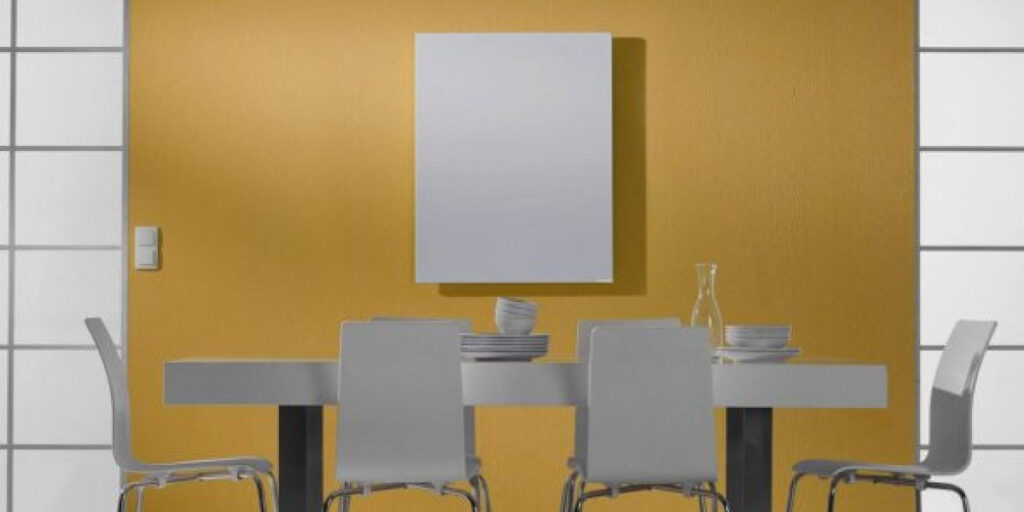
Infrared heating has become a practical and efficient choice for maintaining comfortable temperatures in contemporary homes. Using advanced technology, these systems emit infrared radiation that directly warms objects and surfaces rather than primarily heating the surrounding air. This approach resembles the natural warmth of sunlight, helping establish a comfortable and evenly heated indoor environment. As interest in energy efficiency and sustainability continues to grow, infrared heaters support the demand for more environmentally conscious heating solutions. Their sleek, space-saving designs complement modern interiors, while their direct heating method delivers quick and consistent warmth. This article examines the benefits and applications of an infrared radiant heater.
How Infrared Heating Works in Modern Residential Spaces
Infrared heating relies on electromagnetic waves to transfer warmth directly to objects and surfaces within an indoor environment. Unlike conventional heating methods that mainly warm the surrounding air, infrared heaters release radiation absorbed by solid materials such as walls, furniture, and occupants. This process produces natural warmth similar to sunlight, helping maintain a stable and evenly distributed indoor temperature.
This direct heating approach can reduce energy losses associated with air movement and ventilation. Infrared technology also creates fewer strong air currents, which may help limit the circulation of dust and airborne allergens throughout a room. Its efficient heat transfer allows spaces to reach comfortable temperatures relatively quickly compared with some conventional heating methods.
Modern infrared heaters are developed to complement contemporary interiors by combining practical performance with streamlined designs. Through this approach, infrared heating offers an efficient and sustainable method of maintaining comfortable temperatures across residential and working environments.
Key Advantages of Infrared Heat for Contemporary Living
Infrared heat supports modern lifestyles by combining efficiency, comfort, and contemporary design. Its ability to deliver warmth directly to occupants and surrounding surfaces makes it a practical option for households seeking responsive heating without depending entirely on prolonged air warming. The streamlined appearance of many infrared heaters can also blend effectively with contemporary interior styles.
These systems generally operate without producing substantial air movement, which can help reduce the disturbance of dust and airborne particles. Their targeted heating method can support more efficient energy consumption, making infrared heating appealing for households increasingly interested in sustainable living and responsible use of energy.
Improving Energy Efficiency with Direct Heat Transfer
Infrared heaters support energy efficiency by transferring warmth directly to objects and surfaces instead of primarily heating the surrounding air. This approach can reduce energy losses caused by air movement or ventilation, helping rooms maintain comfortable temperatures with lower power requirements. Radiant warmth is absorbed by walls, furniture, and occupants, which can then release heat back into the surrounding space and contribute to overall thermal comfort.
By concentrating warmth where it is needed, these heaters can reduce unnecessary energy consumption while providing an effective heating solution. Their ability to produce warmth quickly can also reduce the need for extended operation, supporting further energy conservation.
Choosing a Suitable Radiator Heater for Residential Comfort
Selecting a radiator heater requires consideration of several factors to ensure appropriate warmth for the intended area. Room size is an important factor, as a heater with insufficient capacity may struggle to provide adequate warmth, while an oversized unit could use more energy than necessary. Appropriate positioning is equally important, as effective placement can encourage balanced heat distribution and efficient performance.
Modern radiator-heaters often feature adjustable thermostats and timers, allowing heating schedules to be tailored to household needs. Their appearance can also influence selection, particularly in contemporary interiors where practical performance and visual appeal are both important.
Energy efficiency should also be assessed when comparing available options, as efficient models can assist with managing electricity use and ongoing costs. Safety features such as overheat protection and child-safe controls may provide additional reassurance in households with children or pets.
Ideal Areas for Infrared Heating
Infrared heating can be used across various areas of the home, providing targeted warmth while supporting everyday comfort. Living rooms and bedrooms can benefit from its consistent heat, creating a comfortable environment during colder periods. In kitchens, infrared heating can provide focused warmth in areas where additional comfort is needed.
Bathrooms can also benefit from the rapid warmth provided by infrared systems, helping make cold surfaces more comfortable during cooler mornings. Home offices may benefit from targeted heating that maintains a pleasant working environment without unnecessary noise or air movement. Infrared heating can also be suitable for spaces such as conservatories and basements where maintaining comfortable temperatures can be challenging.
Because infrared heaters generally operate without fans, they do not create significant air currents that can disturb dust and allergens. Their quiet operation also makes them suitable for peaceful areas such as reading spaces and bedrooms. This versatility allows infrared heating to provide practical warmth across a wide range of residential settings.
Wall-Mounted Heating and Space Efficiency
Wall-mounted heating solutions offer an innovative approach to optimising both space and functionality within modern homes. By utilising wall space, these heaters help maintain clear and uncluttered floor areas, which is particularly beneficial in compact or minimalist living environments. Their placement on walls allows for strategic positioning, ensuring heat is distributed effectively throughout the room. The slim and streamlined design of wall-mounted heaters contributes to a seamless integration with contemporary interiors, blending into the decor without disrupting the aesthetic harmony of the space.
Installation is straightforward and does not typically require significant structural modifications, making it a practical choice for a variety of settings. Furthermore, wall-mounted heaters are often designed with safety in mind, as they are elevated and out of reach of children or pets, reducing the likelihood of accidental contact. This type of heater also benefits from being relatively low-maintenance, as their elevated positioning minimises exposure to dust and debris.
Key Advantages of Installing Infrared Wall Heaters
Infrared wall-heaters provide several benefits that make them suitable for contemporary residential heating. Their ability to deliver targeted warmth helps maintain comfortable temperatures while limiting unnecessary energy consumption. Unlike conventional systems that rely heavily on circulating air, infrared wall heaters transfer warmth directly to surfaces and objects, helping create comfortable spaces without significantly disturbing dust or airborne particles.
Their slim and space-saving construction allows convenient wall installation without taking up valuable floor space, making them practical for compact rooms. As they generally operate without moving components, they provide quiet performance that suits bedrooms, studies, and other peaceful areas. Their efficient heating technology can also assist with managing electricity consumption and ongoing household expenses.
Infrared wall-heaters typically require limited maintenance and are designed to provide dependable long-term operation. Their contemporary appearance can complement various interior styles, combining effective heating performance with a clean and unobtrusive design.
Infrared Heating and Conventional Heating Compared
Infrared heating differs from conventional heating systems mainly in the way warmth is distributed throughout an indoor space. Traditional systems generally warm and circulate air, whereas infrared technology transfers radiant heat directly to occupants, objects, and surrounding surfaces. This approach can provide a more direct and consistent sense of warmth within occupied areas.
As infrared heating does not primarily depend on continuous air circulation, it can help minimise the movement of dust and airborne particles. Conventional systems may also require more time to warm an entire room, while infrared heaters can deliver targeted warmth shortly after operation begins.
Design is another important difference. Conventional radiators and heating units may occupy significant space, whereas many infrared heaters feature slim profiles that suit contemporary interiors. The combination of direct warmth, quiet operation, efficient performance, and streamlined styling makes infrared heating a practical option for modern homes.
Installation Considerations for Efficient Infrared Heating
Correct installation of infrared heaters plays an important role in achieving effective and efficient performance. Appropriate positioning is essential for supporting balanced heat distribution, with installation on walls or ceilings often helping maximise coverage. Room dimensions and layout should be assessed to determine the suitable number and arrangement of heaters needed to provide comprehensive warmth.
Adequate clearance around the heater must also be maintained to avoid obstructions that could affect performance or safety. Electrical requirements should be evaluated beforehand to ensure the system can accommodate the heater’s wattage without placing excessive load on circuits.
Smart controls or thermostats can further improve energy management by allowing accurate temperature adjustments and heating schedules. Larger spaces may require several strategically positioned units to reduce cold spots and achieve more consistent warmth. Following manufacturer recommendations and seeking qualified installation support can help ensure safe operation and reliable performance.
Selecting a Flat Wall Heater for Modern Interiors
Choosing a flat wall heater for a contemporary interior involves balancing practical heating performance with visual appeal. Featuring a slim and streamlined profile, these heaters can complement modern décor while preserving valuable floor space. Their compact design makes them particularly useful in smaller rooms where efficient use of available space is essential. Many modern models also incorporate energy-efficient technology to provide dependable warmth while supporting controlled household energy consumption.
Some options include programmable settings and smart controls, allowing temperatures and operating schedules to be adjusted according to household requirements. The heater’s finish and materials should also coordinate with surrounding décor and architectural elements. Correct installation and positioning remain important for safe operation and effective heat distribution. By combining contemporary styling with practical heating technology, flat wall-heaters offer a convenient way to improve comfort without compromising interior design.
Conclusion
Infrared heating provides an efficient method for maintaining comfortable indoor temperatures in modern homes. Its direct heat-transfer approach delivers consistent warmth while helping reduce unnecessary energy consumption. The slim designs offered by many infrared heaters can integrate smoothly with contemporary interiors, while quiet operation and low maintenance support convenient daily use. Their versatility also makes them suitable for various residential applications, whether warming an insulated home or heating individual areas. As infrared systems rely less on air circulation, they can also help limit the movement of dust and airborne particles throughout a room.
FAQs
How do infrared wall heaters provide warmth?
Infrared wall heaters release electromagnetic waves that directly warm objects, surfaces, and occupants within a room. This approach delivers targeted warmth without primarily relying on heated surrounding air.
Are infrared radiant-heaters efficient for home heating?
Yes, infrared radiant-heaters can deliver efficient warmth by transferring heat directly to surfaces and occupants, helping reduce unnecessary energy consumption.
Can a flat wall-heater warm larger rooms?
A flat wall-heater can work effectively in small and medium-sized spaces. Larger areas may need multiple units or supplementary heating solutions to achieve consistent coverage.
Are infrared heaters suitable for homes with children and pets?
Many infrared heaters feature safety functions such as overheat protection and temperature controls. Correct installation and responsible operation also contribute to household safety.
Can infrared heaters influence indoor air quality?
Infrared heaters generally use less forced air circulation, which can help reduce the movement of dust and allergens throughout indoor spaces.
What maintenance is needed for infrared heaters?
Infrared heaters typically require minimal upkeep, with occasional cleaning and routine inspections helping preserve performance and extend their operating life.
| Related Business Listings |
| Contact Directory |
| Local Business Profiles |