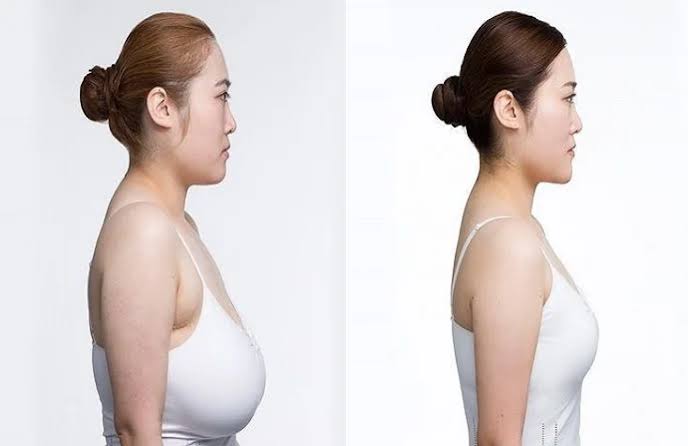
Breast Augmentation in Dubai
Breast augmentation is a popular cosmetic procedure designed to enhance breast size, shape, and overall proportion. For women considering breast augmentation in Dubai, understanding the procedure, implant options, recovery process, potential risks, and factors that influence results is an important part of making an informed decision.
Dubai has become a leading destination for cosmetic and aesthetic treatments, with modern medical facilities and experienced plastic surgeons offering a range of breast enhancement procedures. However, choosing breast augmentation should be a personal decision based on individual goals, anatomy, health, and realistic expectations rather than trends alone.
What Is Breast Augmentation?
Breast augmentation, also known as augmentation mammoplasty, is a surgical procedure that increases breast volume using implants or, in selected cases, fat transfer. The procedure can improve breast fullness, restore volume lost after weight changes or pregnancy, and create greater symmetry between the breasts.
Breast implants generally consist of an outer silicone shell filled with either saline or silicone gel. Modern silicone gel implants are available in different shapes, sizes, profiles, and surface characteristics, allowing surgeons to select an option that suits the patient’s body proportions and desired outcome.
The goal is not simply to make the breasts larger. A well-planned procedure aims to create a balanced and natural-looking result that complements the patient’s chest width, body shape, skin quality, and existing breast tissue.
Why Consider Breast Augmentation in Dubai?
Dubai offers access to advanced healthcare facilities and cosmetic surgery services. Patients can find surgeons with experience in different breast procedures, including breast augmentation, breast lift, breast reduction, and implant revision.
Another advantage is the availability of individualized consultations. During an appointment, the surgeon can assess breast anatomy, skin elasticity, existing tissue, chest structure, and overall health before recommending an appropriate surgical approach.
Patients should still conduct thorough research before selecting a clinic or surgeon. Look for appropriate medical qualifications, relevant experience, accredited facilities, clear communication about risks, and transparent information about the procedure and follow-up care.
Who May Be a Suitable Candidate?
Breast augmentation may be considered by adults who are generally healthy and have realistic expectations about what surgery can achieve.
People may consider the procedure if they:
- Feel their breasts are smaller than they would prefer
- Want to improve breast proportions
- Have experienced breast-volume loss following pregnancy or weight changes
- Have naturally uneven breasts
- Want to restore volume or fullness
- Feel dissatisfied with the shape or size of their breasts
A consultation is necessary to determine whether augmentation alone is appropriate. For example, someone with significant breast sagging may benefit from a breast lift alongside implants. An implant alone may increase volume without adequately correcting loose or sagging skin.
Choosing the Right Breast Implant
One of the most important decisions is selecting an implant that fits the patient’s anatomy and aesthetic goals. Implant selection is not simply about choosing the largest possible size.
Important factors include:
Implant Size
Implant size is usually measured in cubic centimeters (cc), rather than simply by cup size. The appropriate volume depends on factors such as chest width, existing breast tissue, skin elasticity, and desired appearance.
A surgeon may recommend a size that provides proportionate enhancement while avoiding excessive stretching of the tissues.
Implant Shape
Breast implants are commonly available in round and anatomical shapes. Round implants can provide more fullness in the upper part of the breast, while anatomical designs are shaped to resemble the natural contour of a breast.
The best choice depends on the patient’s anatomy, implant characteristics, surgical technique, and desired outcome.
Implant Profile
Profile refers to how far an implant projects forward from the chest. Different profiles can provide different proportions even when implants have similar volumes.
Silicone or Saline
Silicone gel and saline implants have different characteristics. Silicone implants generally have a texture and appearance designed to resemble natural breast tissue, while saline implants are filled after placement and may offer certain surgical advantages.
The surgeon should explain the benefits, limitations, and potential risks associated with each option before a decision is made.
What Happens During Breast Augmentation Surgery?
Breast augmentation is typically performed under general anesthesia. The surgeon creates an incision through which the implant is inserted.
Depending on the patient’s anatomy and the surgical plan, the incision may be placed in the crease beneath the breast, around the edge of the areola, or in another appropriate location.
The implant can be positioned either beneath the breast tissue or partially beneath the chest muscle. The choice depends on factors such as the amount of existing breast tissue, implant size, body structure, and desired result.
Once the implants are positioned appropriately, the incisions are closed. The procedure may take a few hours, although the exact duration varies between patients and surgical techniques.
Recovery After Breast Augmentation
Recovery varies from person to person. Immediately after surgery, patients may experience swelling, tightness, bruising, and temporary discomfort. These symptoms generally improve gradually during the recovery period.
Patients should follow their surgeon’s instructions carefully regarding medication, wound care, sleeping positions, supportive garments, and physical activity.
Light daily activities may often be resumed relatively soon, but strenuous exercise, heavy lifting, and activities that place pressure on the chest should be avoided until the surgeon confirms that they are safe.
Breast appearance can also change during recovery. Initially, swelling may make the breasts appear higher, firmer, or less natural than expected. As healing progresses and the implants settle, the appearance usually becomes more stable.
Follow-up appointments are important because the surgeon needs to monitor healing and identify any potential complications.
Understanding the Risks
Like any surgical procedure, breast augmentation carries potential risks. These can include infection, bleeding, changes in nipple or breast sensation, scarring, asymmetry, implant displacement, and complications related to anesthesia.
Implant-specific complications can also occur. Capsular contracture, for example, involves tightening of scar tissue around an implant and can affect breast appearance or cause discomfort.
Implants are not considered lifetime devices. Some patients may eventually require additional surgery because of implant complications, changes in breast tissue, aging, pregnancy, or personal preferences.
A qualified surgeon should explain these risks during consultation and discuss the signs of complications that require medical attention.
Breast Augmentation and Breast Lift: What Is the Difference?
Breast augmentation primarily focuses on increasing breast volume. A breast lift, or mastopexy, focuses on repositioning and reshaping breast tissue and removing excess skin to address sagging.
Some patients may require both procedures. For instance, pregnancy or significant weight loss can result in reduced volume and loose skin. In such situations, implants may restore fullness while a lift improves breast position.
The appropriate approach depends on individual anatomy and should be determined after an in-person assessment.
Scarring After Breast Augmentation
Scarring is an unavoidable part of most surgical procedures, although surgeons use techniques designed to place incisions in relatively discreet locations.
The final appearance of scars can vary according to genetics, skin characteristics, incision location, surgical technique, and aftercare.
Scars usually change considerably during the first year as they mature and gradually become less noticeable. Patients should follow postoperative instructions and protect healing incisions as advised by their medical team.
How Much Does Breast Augmentation in Dubai Cost?
The cost of breast augmentation in Dubai can vary significantly between patients. There is no single price that applies to every procedure.
Factors that may influence the total cost include:
- Surgeon’s qualifications and experience
- Type and brand of implant
- Implant size and characteristics
- Hospital or surgical facility fees
- Anesthesia fees
- Preoperative examinations
- Surgical technique
- Whether a breast lift or another procedure is performed at the same time
- Postoperative appointments and care
Patients should ask for a detailed cost breakdown during consultation rather than choosing a surgeon solely because of a low advertised price.
Preparing for Your Consultation
A consultation is an opportunity to discuss expectations and understand what is realistically achievable. Patients should be prepared to discuss their medical history, previous surgeries, medications, allergies, pregnancy history, and aesthetic goals.
It can also be useful to prepare questions about implant options, incision placement, recovery time, possible complications, expected scarring, and future implant monitoring.
Patients should feel comfortable asking for clarification if they do not understand any aspect of the proposed procedure.
Final Thoughts
Choosing breast augmentation in Dubai involves more than selecting an implant size. The procedure requires careful planning based on anatomy, personal preferences, medical considerations, and realistic expectations.
A successful outcome depends on appropriate patient selection, experienced surgical care, suitable implant selection, and proper postoperative follow-up. Anyone considering breast augmentation should consult a qualified plastic surgeon and take time to understand both the potential benefits and limitations before proceeding.
The objective should be a safe, proportionate, and personally satisfying result rather than simply achieving a particular breast size. With appropriate planning and professional guidance, patients can make a more informed decision about whether breast augmentation is right for them.