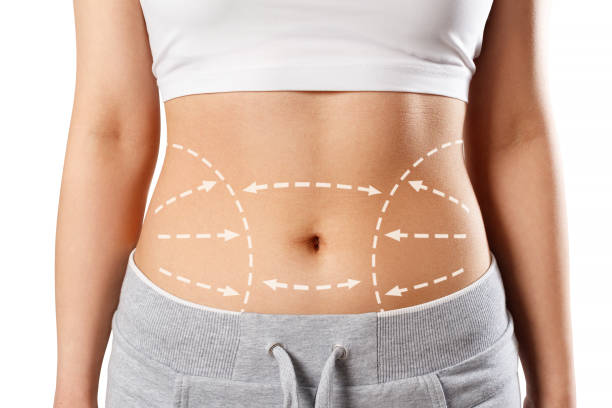
Loose skin on the thighs can remain after significant weight loss, major changes in body size, pregnancy, or the natural aging process. When excess tissue extends from the lower abdomen and hips toward the upper thighs, comprehensive body contouring may be considered. For people exploring their options, body lift in abu dhabi can be relevant when loose skin affects several connected areas of the lower body rather than being limited to the thighs alone. Understanding the relationship between a body lift and thigh skin laxity can help clarify whether this procedure may be suitable for a particular body-contouring goal.
Why Does Loose Skin Develop on the Thighs?
The skin stretches as the body increases in size, and significant changes can leave it unable to completely return to its previous dimensions. After substantial weight loss, for example, the underlying volume decreases while stretched skin may remain around the thighs, hips, and lower torso.
Skin elasticity varies naturally between individuals. Age, genetics, the extent of weight change, and the duration of stretching can influence how much the skin contracts. When excess skin is substantial, it can create folds or a hanging appearance that remains even after reaching a stable body weight.
What Is a Body Lift?
A body lift is a surgical body-contouring procedure designed primarily to remove excess skin and reshape the lower torso. Depending on the individual’s anatomy, it can address the abdomen, waist, hips, lower back, and surrounding buttock area.
A lower body lift focuses on the way these areas connect. When loose tissue forms a continuous band around the lower body, treating the abdomen, waist, hips, and lower back together can produce a more balanced contour.
However, a body lift is not automatically a treatment for every type of thigh laxity. The exact location of excess skin is important when determining which procedure is most appropriate.
Can a Body Lift Improve Thigh Skin?
A body lift can improve the appearance of the upper thigh area when loose skin is connected with excess tissue around the hips, buttocks, and lower torso. By removing and repositioning surrounding skin, the procedure can create a smoother transition toward the upper thighs.
The effect is generally more relevant to the upper and outer thigh region than to isolated laxity extending far down the thighs. If excess skin is concentrated primarily on the inner or lower thighs, a dedicated thigh-contouring procedure may be more suitable.
The distinction is important because body lift surgery is designed around the lower torso and its connected contours, while thigh-specific procedures can focus more directly on the thigh itself.
How Does a Body Lift Affect the Upper Thighs?
The upper thighs connect closely with the hips and buttocks, meaning excess skin in these areas can influence the appearance of the entire lower body. When a body lift removes excess tissue around the hips and lower torso, the skin extending toward the upper thighs may also become smoother.
This can improve the transition between the waist, hips, buttocks, and thighs. The result may be a more streamlined appearance around the upper legs without directly treating every part of the thigh.
The amount of improvement depends on where the excess tissue is located and how much skin laxity exists below the areas addressed by the body lift.
Body Lift Versus Thigh Lift
A body lift and thigh lift have different primary treatment areas. A body lift focuses on the lower torso and can address the abdomen, waist, hips, lower back, and surrounding buttock region. A thigh lift is designed specifically to remove excess skin from the thighs.
If loose skin is widespread and extends from the abdomen around the hips toward the upper thighs, a body lift may be considered. If the main concern is significant skin laxity along the inner or outer thigh itself, a thigh-focused procedure may provide a more direct approach.
Choosing between these options depends on the distribution of loose skin and the overall contouring goals.
Can a Body Lift Help After Major Weight Loss?
People who have experienced substantial weight loss may develop loose skin across multiple areas of the lower body. The abdomen, waist, hips, buttocks, and upper thighs can all be affected.
A body lift can be considered when excess skin forms a broad pattern around the lower torso. By reshaping several connected regions, the procedure may improve the overall silhouette and the transition toward the thighs.
A stable body weight is generally an important consideration before body-contouring surgery. Significant future weight changes can alter the body’s proportions and influence the resulting contour.
What About Inner Thigh Skin?
Inner-thigh laxity is often a separate concern. While a body lift can improve the upper thigh region indirectly by tightening surrounding tissues, it may not fully address excess skin along the inner thighs.
The inner thigh has its own anatomical characteristics and may require a more focused approach when substantial loose skin is present there. A professional assessment can determine whether the thigh laxity is connected closely enough to the lower torso for a body lift to provide meaningful improvement.
Can a Body Lift Make the Legs Look More Defined?
A body lift does not primarily reshape the entire legs, but it can improve the transition between the lower torso and upper thighs. When excess skin around the hips and buttocks is reduced, the upper legs may appear more streamlined in relation to the waist and lower body.
The extent of this visual improvement depends on the individual’s natural proportions and the location of excess skin. The procedure is intended to refine the overall contour rather than dramatically change the structure of the thighs.
Why Individual Assessment Matters
Thigh skin laxity can vary significantly from one person to another. Some people have loose tissue concentrated around the upper thighs and hips, while others have excess skin extending much farther down the legs.
This distinction matters when planning body-contouring surgery. A professional assessment can determine whether a body lift can adequately address the areas of concern or whether a thigh-specific procedure would be more appropriate.
Looking at the entire lower body also helps establish a balanced treatment plan. The abdomen, waist, hips, buttocks, and thighs all contribute to the overall silhouette.
What Results Can Be Expected?
When thigh laxity is connected to excess tissue around the lower torso, a body lift can create a smoother transition between the hips and upper thighs. The lower body may appear more streamlined and proportionate as loose skin is removed and the surrounding tissues are repositioned.
However, the procedure cannot guarantee complete removal of all thigh skin laxity. The final result depends on the amount of excess tissue, skin elasticity, body proportions, and the specific treatment area.
Frequently Asked Questions
Can a body lift remove loose skin from the thighs?
A body lift can improve loose skin around the upper thighs when it is connected with excess tissue around the hips, buttocks, and lower torso. It is not primarily designed to treat extensive isolated thigh laxity.
Is a body lift the same as a thigh lift?
No. A body lift focuses mainly on the lower torso and connected areas, while a thigh lift specifically targets excess skin on the thighs.
Can a body lift help with thigh skin after weight loss?
Yes, particularly when excess skin extends from the lower torso toward the upper thighs. A body lift can improve the surrounding contours and create a smoother transition toward the legs.
Can a body lift tighten inner-thigh skin?
A body lift may have an indirect effect on the upper thigh area, but significant inner-thigh laxity may require a more focused thigh-contouring approach.
How can I tell whether a body lift is right for my thighs?
The location of the excess skin is the key consideration. A professional assessment can determine whether your thigh laxity is primarily connected to the hips and lower torso or whether a thigh-specific procedure would better address the concern.