Why Children’s Books Are Important for Emotional Development
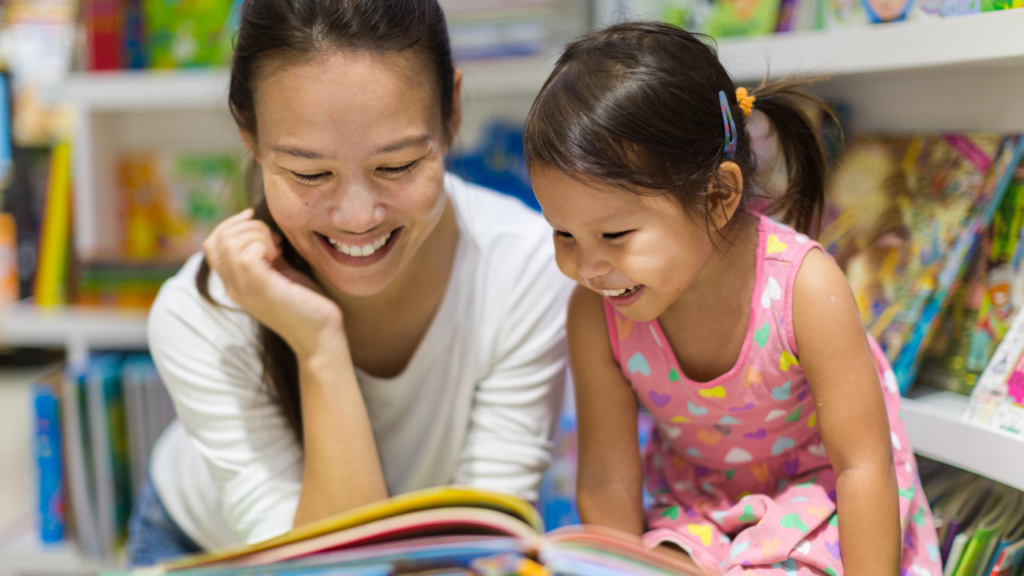
Big feelings often show up long before kids have the words to explain them. Whether a young reader is navigating the frustration of a lost toy or the nerves of a first day at school, seeing a character like a Puzzled Pup work through similar struggles makes those overwhelming moments feel manageable. Children’s books offer a safe, low-stakes space to explore complex emotions, understand other perspectives, and build the everyday resilience needed to thrive both at home and in the classroom.
What Emotional Development Means for Young Readers
Emotional development is the gradual process of learning how to recognize, understand, express, and manage feelings. For school-aged children and younger readers, this skill set does not appear automatically with age. Kids must actively practice identifying what is happening inside their minds and bodies when they feel angry, disappointed, anxious, or proud.
When a child experiences a strong emotion without the tools to process it, that feeling often comes out as a tantrum, withdrawal, or sudden frustration. Developing emotional awareness gives kids a pause button between feeling an impulse and acting on it. Over time, this self-awareness forms the foundation for healthy friendships, classroom focus, and self-confidence.
Naming Feelings to Tame Them
Child psychologists often refer to the practice of labeling emotions as “affect labeling.” Simply put, when a child can say, “I feel left out,” instead of just acting out, the emotional intensity begins to drop. Stories accelerate this process by pairing specific words with clear visual and narrative cues.
Instead of relying only on basic words like “mad,” “sad,” or “happy,” children’s books introduce nuanced terms such as “frustrated,” “overwhelmed,” “jealous,” or “relieved.” Having a broader emotional vocabulary allows kids to communicate their exact needs to parents, teachers, and friends.
Building Emotional Regulation Through Story Arcs
Most engaging stories follow a familiar pattern: a character faces a problem, experiences an emotional reaction, tries a few solutions, and eventually finds a way forward. Watching a character move from panic to calm shows young readers that uncomfortable feelings are temporary.
When kids see a protagonist take a deep breath, ask a trusted adult for help, or apologize after making a mistake, they absorb those coping strategies naturally. Stories act as a rehearsal space for real-life challenges, showing what problem-solving looks like before a crisis happens in real life.
How Children’s Books Cultivate Empathy and Perspective
Empathy—the ability to understand and share the feelings of another person—is one of the most valuable social skills a child can develop. In daily life, young kids are naturally focused on their own immediate needs and viewpoints. Reading invites them to temporarily step outside their own heads and experience the world through someone else’s eyes.
Stepping Into Someone Else’s Shoes
When a reader follows a character who lives in a different neighborhood, speaks another language, or faces an unfamiliar physical challenge, their sense of compassion expands. Stories create emotional bridges between the reader and people whose daily lives look very different from their own.
Even stories featuring animals or fantastical creatures teach human empathy. When a young reader worries about a lost bear cub or cheers for a shy dragon finding its voice, they are practicing the exact same emotional muscles needed to care for a classmate who is having a rough day.
Recognizing Body Language and Facial Cues
Illustrated children’s books play a unique role in teaching emotional literacy because pictures carry just as much meaning as text. Young readers spend time studying the illustrations, noticing slumped shoulders, furrowed brows, wide eyes, or hesitant smiles.
By connecting a character’s physical posture with the events in the story, kids get better at reading nonverbal cues in the real world. This visual practice helps them recognize when a friend is uncomfortable or needs space, even if that friend has not said a word.
Navigating Difficult Life Transitions Through Stories
Growing up involves plenty of unfamiliar milestones and unexpected changes. Moving to a new house, welcoming a new sibling, starting a new grade, or dealing with the loss of a pet can trigger deep anxiety in kids who do not yet know how to process major life shifts.
Making Unfamiliar Experiences Predictable
Fear often stems from not knowing what to expect. Books demystify intimidating situations by walking readers through them step by step. A story about visiting the dentist, getting glasses, or sleeping away from home turns an unknown threat into a predictable sequence of events.
When the real event finally arrives, the child already has a mental roadmap. They can recall how the character in their favorite book handled the nervousness, which lowers their own stress levels.
Validating Complex and Mixed Emotions
Real life rarely produces just one clean emotion at a time. A child might feel excited about going to summer camp while simultaneously feeling homesick and worried about making friends. Many well-crafted children’s books portray characters holding two conflicting feelings at once.
Seeing that it is completely normal to feel both brave and scared at the same time removes the guilt or confusion kids sometimes feel when their emotions seem messy. It reassures them that having mixed feelings does not mean something is wrong with them.
Matching Books to Different Stages of Emotional Growth
Children’s emotional needs shift significantly as they grow from toddlers into independent elementary and middle-grade readers. Choosing stories that align with a child’s current developmental stage ensures the themes feel relatable rather than confusing or overly simplistic.
Emotional Milestones and Story Themes by Age Group
| Age Group | Key Emotional Focus | Helpful Story Elements | Example Reading Approach |
|---|---|---|---|
| Ages 2–4 (Toddlers & Preschool) | Identifying basic emotions (happy, sad, angry, scared) and managing sudden impulses. | Expressive facial illustrations, repetitive phrasing, simple cause-and-effect plots. | Point to characters’ faces and ask, “How does this character look right now?” |
| Ages 5–7 (Early Elementary) | Sharing, handling disappointment, navigating friendships, and following rules. | Relatable school or playground conflicts, characters trying different coping strategies. | Pause mid-story to ask what the character could do next to solve the problem. |
| Ages 8–10 (Upper Elementary) | Managing peer pressure, building self-esteem, understanding fairness, and handling mixed feelings. | Multi-chapter plots, distinct character viewpoints, realistic family or friendship dilemmas. | Discuss why two characters reacted differently to the exact same situation. |
| Ages 11–13 (Tweens) | Identity formation, deeper empathy, resilience after failure, and complex moral choices. | Nuanced protagonists, internal monologues, themes of belonging and personal values. | Ask the reader if they agreed with the protagonist’s final decision and why. |
As the table illustrates, a story’s structure and emotional depth should grow alongside the reader. Younger children benefit most from clear visual cues and immediate resolutions, while older kids thrive on deeper character motivations and open-ended discussions that respect their growing independence.
Practical Ways to Turn Reading Into Emotional Learning
Simply handing a child a book is a great start, but how adults and young readers engage with the story makes an even bigger difference. Shared reading creates natural moments for meaningful conversations without feeling like a formal lesson or lecture.
Asking Open-Ended Questions While Reading
Rather than quizzing a child on plot details, focus questions on character feelings and choices. Simple prompts invite kids to think critically about emotions without feeling put on the spot:
-
“Why do you think she decided to walk away instead of yelling?”
-
“Have you ever felt the way he looks on this page?”
-
“What do you think would make this character feel safer right now?”
These questions validate the child’s own insights and show that there is rarely just one “correct” way to interpret a situation.
Connecting Story Moments to Real-Life Situations
The lessons inside children’s books stick best when they carry over into everyday routines. When a child faces a frustrating moment—like struggling with a difficult homework assignment or losing a board game—gently referencing a familiar character can help them reframe the situation.
Saying something like, “This feels a lot like when the main character kept dropping his tower blocks, doesn’t it? What did he try when he got stuck?” reminds the child that frustration is a normal part of learning. It shifts the focus from self-criticism to practical problem-solving.
Letting Kids Choose Their Own Stories
Autonomy plays a big role in how deeply a child connects with a book. Kids often gravitate toward stories that mirror a quiet worry or curiosity they have not yet spoken aloud. Allowing young readers to pick out their own titles at the library or bookstore gives them ownership over their emotional exploration.
Even if a child wants to reread the exact same book ten nights in a row, that repetition serves a purpose. Re-experiencing a comforting story helps kids master the emotions inside it until they feel ready to move on to new challenges.
Common Mistakes to Avoid When Using Books for Emotional Growth
While stories are powerful tools, turning every reading session into a heavy moral lecture can backfire. If kids feel like books are only used to correct their behavior, they may start viewing reading as a chore rather than an enjoyable escape.
Forcing a Moral Lesson After Every Chapter
Stories work best when their themes sink in naturally. If a child has just finished a moving chapter about a character dealing with jealousy, resist the urge to immediately say, “See? That is why you should never be jealous of your brother.”
Direct comparisons to a child’s recent misbehavior can trigger defensiveness and shut down honest conversation. Let the story speak for itself first, and allow the child to bring up personal connections when they feel ready.
Avoiding Books With Sad or Frustrating Themes
It is tempting to stick exclusively to cheerful, upbeat stories, especially for sensitive readers. However, shielding kids from every story that involves sadness, fear, or conflict denies them the chance to practice handling those feelings safely.
Books that tackle grief, mistakes, or loneliness in age-appropriate ways show kids that difficult emotions are survivable. As long as the story offers hope, comfort, or resolution by the end, tackling heavier themes builds genuine emotional resilience.
Children’s books do far more than build vocabulary and reading fluency; they serve as a vital training ground for emotional intelligence. By giving young readers the words to name their feelings, the empathy to understand others, and safe examples of how to bounce back from setbacks, stories prepare kids for the realities of growing up. Whether you are sharing a picture book at bedtime or discussing a chapter book after school, making time for stories gives kids a lifelong toolkit for navigating their inner world with confidence and kindness. Pick out a story together tonight and see what conversations naturally unfold.
Frequently Asked Questions
At what age should I start reading books about emotions to a child?
You can start from infancy. Even before babies understand words, listening to a caregiver’s expressive voice and looking at clear facial expressions in board books builds early emotional connection. By age two or three, toddlers actively benefit from simple stories that name basic feelings like anger, sadness, and excitement.
Can children’s books help kids who struggle with anger or tantrums?
Yes. Books featuring characters who lose their temper and then practice calming strategies—such as taking deep breaths, counting, or asking for a break—give kids concrete alternatives to aggressive outbursts. Reading these stories during calm moments helps kids remember those tools when they are upset later.
Should I skip scary or sad parts in a story if a child gets upset?
If a scene causes genuine distress, it is fine to pause, comfort the child, and talk about what is happening. However, completely skipping every sad or tense moment removes the emotional resolution at the end of the story. Reassuring the child that you are right there with them helps them learn that uncomfortable feelings pass.
How do I know if a book’s emotional themes are age-appropriate?
Look at the central conflict of the story. Young children generally do best with concrete, everyday challenges like sharing toys, feeling shy, or losing a favorite item. Older elementary readers can handle deeper themes such as friendship betrayal, moving away, or dealing with failure, provided the story offers a supportive resolution.
Do fictional stories help with emotional development as much as books specifically written about feelings?
Often, fictional stories with engaging plots are even more effective than instructional books written solely to teach a lesson. When kids care about a compelling character and get absorbed in an adventure, they absorb empathy and problem-solving naturally without feeling like they are being lectured.