Overgrown branches rubbing against siding, dead limbs hanging over a walkway, or sparse summer foliage can quickly detract from an otherwise inviting yard. Many homeowners wait until a limb drops during a storm or a tree looks visibly stressed before taking action, turning manageable upkeep into a costly emergency. Consistent Tree Maintenance Services help catch structural problems, pest activity, and seasonal stress early so your trees stay sturdy and attractive. Healthy trees provide shade, curb appeal, and natural character around homes and properties, yet keeping them in good shape takes steady care across changing seasons. Understanding what routine tree care involves makes it easier to protect your outdoor space before small issues turn into bigger headaches.
How Routine Care Supports Tree Vitality
Thoughtful canopy care evaluates how roots, trunk structure, branches, and soil conditions work together over time rather than focusing on a single branch in isolation. When property owners use Tree Maintenance Services, specialists typically check crown density, branch unions, signs of decay or insects, and clearances near roofs, driveways, and garden beds. Early attention to weak crotches, deadwood, or regional concerns such as Emerald Ash Borer helps keep trees vigorous and reduces sudden limb failure. Proper pruning opens airflow and sunlight within the crown while guiding growth away from structures and utility lines. Taking a steady, preventative view helps mature trees thrive and lets you spot declining trees early.
Why Arborist Skill and Timing Matter
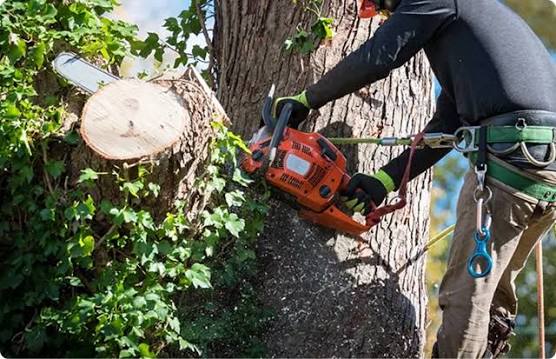
Working around tall branches and active yards requires sound arboricultural knowledge, safe equipment, and attention to seasonal timing. Cutting back too aggressively in one season, pruning certain species at the wrong time of year, or leaving stubs and torn bark can stress trees and open pathways for decay or pests. Skilled crews consider species habits, structural balance, and seasonal conditions—such as dormant-season pruning for many trees or timely care after severe weather—before making cuts. Proper climbing, rigging, and aerial methods also protect lawns, fences, and nearby plantings while work is underway. Careful planning keeps projects safe and preserves the long-term health of surrounding trees.
Key Parts of a Tree Maintenance Plan
Every property has a different mix of mature shade trees, ornamentals, and open turf, so care plans vary based on tree condition and layout. Depending on your yard’s needs and seasonal goals, an effective maintenance program commonly includes several practical steps:
-
Selective pruning and trimming to remove dead or crossing branches, clear walkways and roofs, and improve canopy structure.
-
Plant health monitoring and treatments, such as Emerald Ash Borer care or soil support, for trees facing stress or pests.
-
Tree removal when a tree is dead, severely declining, storm-damaged, or crowding buildings or other trees.
-
Stump grinding or stump removal after tree removal to clear trip hazards and open space for grass or plantings.
-
Storm cleanup and hazard response to address broken branches or damaged trees safely after severe weather.
How to Compare Local Tree Care Providers
Choosing the right tree service starts with looking closely at qualifications, insurance coverage, and clear communication rather than relying on price alone. Homeowners benefit from asking whether certified arborists assess the property, requesting proof of liability and workers’ compensation insurance ahead of time, and clarifying debris cleanup and stump options. Written estimates that spell out the scope of work, access needs, and safety steps help prevent surprises on work day. Comparing local providers on responsiveness, honest assessments, and thorough answers makes it easier to pick a crew that treats your property with care.
Safety Standards, Coverage, and Everyday Habits
Tree work involves real hazards near overhead lines, roofs, and uneven ground, making strong safety practices and proper insurance essential. Reputable tree care teams follow recognized safety standards, maintain their gear regularly, and verify insurance before starting work so property owners have clear protection. Simple habits between visits—such as keeping mulch pulled back from the trunk flare, watering newly planted or dry-weather trees appropriately, and checking crowns after windstorms—also support tree health.
Realistic Benefits and Long-Term Landscape Value
Steady, well-planned tree care can deliver meaningful benefits for safety, yard appearance, and long-term property value. Well-maintained trees add shade, visual balance, and comfort to residential grounds, while removing deadwood and hazardous limbs lowers the chance of property damage during windy weather. Early attention to pests or stress can sometimes help save valued mature trees that might otherwise decline. Because outcomes depend on tree species, age, soil conditions, pest pressure, and weather, realistic expectations remain important. Over time, regular care supports a safer, more resilient yard that ages well.
Evolving Trends in Residential Tree Care
Expectations around residential tree care continue to shift toward proactive health management, species variety, and environmentally sensible practices. Rather than waiting until a tree becomes a clear hazard or declines noticeably, more homeowners schedule periodic inspections and targeted care to protect existing shade trees. There is also growing interest in preserving healthy trees when practical, managing invasive pests carefully, and recycling wood chips or organic debris responsibly. As changing weather and pest pressures test yard trees, informed planning helps homeowners stay ahead of issues.
Conclusion
Keeping yard trees healthy, safe, and attractive takes consistent attention, sound judgment, and dependable help when problems appear. With thoughtful inspection, skilled pruning, health support, and timely removal when necessary, Tree Maintenance Services give property owners a practical way to care for their landscape. With steady care and experienced local support, Trees by Forrest helps homeowners protect their trees and enjoy a safer, better-kept yard for years to come.