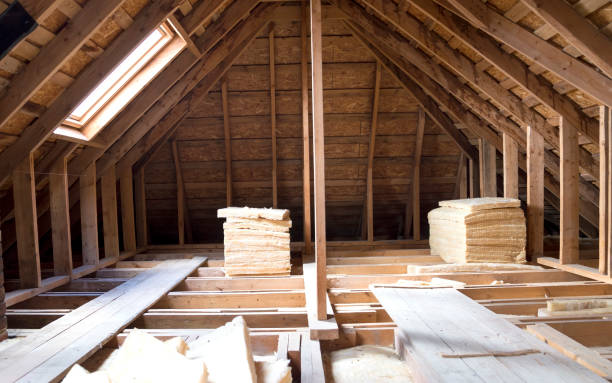
Homes with multiple roof levels often have more complex attic spaces than houses with a simple roof design. Different roof heights, connecting sections, vaulted ceilings, and separate attic areas can make insulation work more challenging. While these architectural features can make a home look attractive, they can also create areas where heat enters, conditioned air escapes, and moisture builds up.
Proper attic insulation plays an important role in maintaining indoor comfort and improving energy efficiency. However, insulating a home with multiple roof levels requires careful planning because each section may have different insulation needs. Some areas may be easy to access, while others may have limited clearance or unusual roof angles.
Homeowners should understand why these properties need special attention and how professional insulation services can help create a more consistent indoor environment.
1. Different Roof Levels Create Uneven Temperature Zones
One of the main challenges in homes with multiple roof levels is maintaining consistent indoor temperatures. Higher roof sections may receive more direct sunlight, while lower sections may have different ventilation and insulation conditions.
As a result, some rooms may become warmer than others, especially during summer. Upper-floor bedrooms, rooms beneath sloped ceilings, and spaces close to roof intersections can experience noticeable temperature differences.
When insulation is missing, damaged, or unevenly installed, heat can transfer through the roof structure more easily. This makes air conditioning systems work harder to maintain comfortable temperatures.
Insulating each attic section properly helps reduce unwanted heat transfer. A professional assessment can identify areas that need additional insulation and help ensure that every roof level receives suitable coverage.
2. Multiple Attic Spaces Can Have Different Insulation Requirements
A house with several roof levels may contain more than one attic space. These areas can differ in size, shape, accessibility, and existing insulation condition.
For example, one attic section may have enough open space for standard insulation installation, while another may have narrow passages, low roof clearance, or difficult corners. Treating every section in the same way may leave some areas poorly insulated.
Before starting an insulation project, homeowners should have each accessible attic area inspected. This helps identify existing insulation levels, damaged materials, air leakage points, and areas that need special attention.
The right insulation method should be selected according to the structure and condition of each space. Proper planning also reduces the chance of leaving small but important sections untreated.
3. Roof Intersections Can Create Insulation Gaps
Multiple roof levels often meet at valleys, ridges, and connecting sections. These intersections can make insulation installation more complicated because the roof structure may contain unusual angles and narrow spaces.
Small gaps around these areas can allow unwanted heat transfer. Even when the larger attic sections have sufficient insulation, poorly covered corners and roof connections may affect the home’s overall thermal performance.
These gaps can also be difficult to notice without a proper inspection. Homeowners may only become aware of the problem when certain rooms feel warmer, cooling costs increase, or indoor temperatures become inconsistent.
Professional installers can check these transition areas and identify locations where insulation coverage needs improvement. Careful installation around roof intersections helps create a more continuous insulation layer.
4. Heat Can Build Up in Higher Roof Sections
Higher roof sections are often exposed to strong sunlight for longer periods. During hot weather, roofing materials absorb solar heat and transfer some of it toward the attic space.
Without suitable insulation, this heat can affect the rooms below. The problem may be more noticeable in homes with second-story rooms, high ceilings, or living spaces directly beneath elevated roof sections.
Good attic insulation slows the movement of heat from the roof into the living area. It can also help reduce the workload on the air conditioning system.
Homeowners should remember that insulation is only one part of attic performance. Proper ventilation, air sealing, and moisture management are also important. These elements should work together to support a comfortable and efficient home.
5. Air Leakage Can Occur Between Different Roof Sections
Homes with multiple roof levels may have more structural connections than properties with simple roof designs. These connections can create openings around framing, wiring, plumbing, ceiling fixtures, and other building components.
When these openings are not properly sealed, conditioned air can escape while hot outdoor air enters the home. This can make it difficult to maintain comfortable temperatures throughout the property.
Insulation alone does not always solve air leakage problems. Small openings should be identified and sealed using suitable materials before insulation is installed or replaced.
A professional inspection can help locate these problem areas. Combining air sealing with proper insulation coverage can improve indoor comfort and help reduce unnecessary energy loss.
6. Choosing the Right Insulation Material Matters
Not every insulation material is suitable for every attic section. The best option depends on the roof structure, available space, existing insulation, and the home’s overall requirements.
Blown-in insulation is one option that can be useful in homes with multiple roof levels. It consists of loose insulation material that is distributed using specialised equipment. This method can help cover irregular spaces, corners, and areas that may be difficult to reach with traditional insulation products.
Homeowners considering this option can learn more about professional Blown-in Insulation services and how this method may help improve attic coverage.
However, the material and installation method should always be selected after inspecting the property. Some roof sections may require different insulation solutions depending on their construction and ventilation arrangements.
7. Proper Ventilation Is Important in Multi-Level Attics
Insulation and ventilation need to work together. While insulation helps slow heat transfer, ventilation supports the movement of air through suitable attic spaces.
In homes with several roof levels, ventilation can be more complicated because different sections may have separate airflow paths. Roof valleys, enclosed spaces, and changes in roof height can affect how air moves.
Poor ventilation may contribute to excessive heat and moisture accumulation. Over time, these conditions can affect wooden roof components and reduce the effectiveness of insulation.
Homeowners should have attic ventilation checked during an insulation inspection. Installers should also make sure that insulation does not block soffit vents or other required airflow openings.
The goal is to maintain suitable insulation coverage without interfering with the ventilation system.
8. Moisture Problems Can Affect Insulation Performance
Moisture is another important concern in homes with multiple roof levels. Roof leaks, condensation, plumbing problems, and poor ventilation can introduce moisture into attic spaces.
Different roof sections may experience different moisture conditions. For example, one area may be more exposed to rainwater entry, while another may have limited airflow.
Wet insulation may lose some of its effectiveness and can create conditions that support mould growth. Damaged materials may need to be removed and replaced after the source of moisture has been corrected.
Homeowners should not simply cover wet insulation with new material. A proper inspection should identify the cause of the moisture problem and determine whether affected materials need professional removal.
Addressing these issues early can help protect the roof structure and maintain better indoor conditions.
9. Professional Installation Helps Prevent Missed Areas
Installing insulation in a home with multiple roof levels requires more than filling visible attic spaces. Each section needs to be checked for access, existing material, air leakage, ventilation, and suitable insulation depth.
A planned installation process helps ensure that difficult corners and smaller attic sections are not overlooked.
Homeowners can better understand what happens during a professional project by reading this guide to Understanding the Process of Attic Insulation Installation: A Homeowner’s Guide.
A typical installation project may include:
- Inspecting accessible attic spaces and existing insulation.
- Checking for moisture damage, gaps, and air leakage.
- Reviewing ventilation openings and roof conditions.
- Selecting suitable insulation materials.
- Preparing the attic before installation.
- Applying insulation evenly across the required areas.
- Checking coverage and identifying any remaining gaps.
Following these steps helps improve installation quality and supports better long-term insulation performance.
10. Regular Attic Inspections Help Maintain Insulation Quality
Even properly installed insulation needs occasional attention. Over time, insulation can become damaged by moisture, pests, renovation work, or other issues.
Homes with multiple roof levels may require extra attention because one attic section can develop problems without affecting the others immediately.
Homeowners should watch for warning signs such as:
- Rooms that become unusually hot during summer.
- Noticeable temperature differences between floors.
- Increasing air conditioning use.
- Water stains or damp insulation in attic areas.
- Visible gaps or compressed insulation.
- Unusual odours or signs of pest activity.
If these issues appear, a professional inspection can help determine whether repairs, insulation replacement, or additional coverage are needed.
11. Local Climate Should Be Considered When Planning Insulation
The local climate also influences attic insulation requirements. In warm and humid areas of Florida, homes experience high temperatures, strong sunlight, and seasonal moisture.
These conditions make insulation, air sealing, and ventilation especially important. Homes in Jupiter, Florida, may benefit from an attic assessment that considers local weather conditions and the specific construction of the property.
Homeowners looking for local assistance can explore Attic Insulation Jupiter to learn more about available insulation services.
A local professional can evaluate the attic structure, identify problem areas, and recommend suitable solutions based on the property’s needs.
Conclusion
Homes with multiple roof levels need special attention when it comes to attic insulation. Different attic sections, roof intersections, uneven temperatures, air leakage, and moisture concerns can make insulation work more complicated than in a standard home.
A well-planned insulation project should consider the condition and requirements of every attic section. Choosing suitable materials, maintaining proper ventilation, sealing air leaks, and addressing moisture problems can all contribute to better insulation performance.
Homeowners should avoid treating every roof section as one uniform space. A professional inspection can help identify hidden gaps and determine the most suitable approach for the entire property. With proper planning and installation, homes with multiple roof levels can maintain more consistent indoor temperatures, reduce unnecessary heat transfer, and support improved energy efficiency over time.