Businesses are producing more audio and video content than ever before. From interviews and company podcasts to training sessions and product discussions, recording has become a regular part of communication. But having a microphone and camera doesn’t automatically mean the content will sound or look professional. The quality of the recording depends on several things working together, including equipment, room acoustics, lighting, and the people handling the production. Companies considering podcast studio rental in Austin should think beyond the basic setup and focus on what they actually need from their recording sessions. Let’s be real, a poor recording can make even an interesting conversation feel difficult to watch. Choosing the right studio or recording environment early can save businesses time, money, and plenty of frustration later.
Understanding Your Business Recording Goals
Before investing in equipment or booking a professional recording space, businesses should have a clear idea of what they want to produce. A podcast featuring company executives will have different requirements from a video series involving product demonstrations, customer interviews, or employee training. Some businesses only need audio recording, while others want video, multiple camera angles, and professionally edited clips for social media. The truth is, there isn’t one setup that works for every situation. Companies should consider how frequently they plan to record, how many people will participate, and where the final content will be published. Understanding these goals makes it easier to choose equipment and studio services that fit the project instead of paying for features that aren’t really necessary.
Audio Equipment and Sound Quality Matter
Audio quality is one of the biggest factors separating amateur recordings from professional content. Listeners may forgive a slightly imperfect video, but distracting background noise, inconsistent volume, or muffled voices can quickly become annoying. Businesses should look for recording setups that include quality microphones, reliable headphones, audio interfaces, and professional mixing equipment. Microphone selection also matters. Dynamic microphones are often useful for podcast conversations because they can help reduce unwanted room noise, while condenser microphones may be suitable for controlled recording environments where greater sensitivity is needed. A good setup should also allow each speaker’s voice to be captured clearly without one person sounding louder than everyone else. It’s a small detail, but it makes the entire conversation easier to follow.
Camera Quality and Video Recording Capabilities
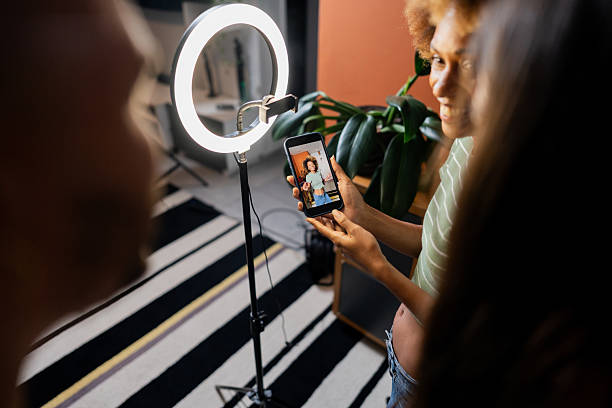
For businesses creating video podcasts or interviews, camera quality deserves just as much attention as audio. A professional recording environment should offer cameras capable of capturing clear footage, accurate colors, and consistent exposure. Multiple camera angles can make conversations more engaging, especially when recording interviews with two or more participants. Instead of showing the same wide shot throughout an entire episode, editors can switch between close-ups, guest shots, and different perspectives. Lighting also plays a major role here. Even a decent camera can produce disappointing footage in a poorly lit room. Businesses should check whether the recording space includes professional lighting equipment, adjustable camera positioning, and a background that suits their brand. A clean, balanced visual setup makes content feel more credible.
Studio Acoustics and the Recording Environment
A recording room should be designed to control unwanted sound. Echoes, outside traffic, air conditioning noise, and voices from nearby rooms can all interfere with the final recording. This is where acoustic treatment becomes important. Sound-absorbing panels, bass traps, and proper room positioning help reduce reflections and create a more controlled environment. Soundproofing and acoustic treatment are not exactly the same thing, though businesses sometimes confuse them. Soundproofing limits noise entering or leaving a room, while acoustic treatment improves how sound behaves inside it. Companies looking for a professional recording space should ask about both. A studio might have impressive equipment, but if the room itself sounds bad, the recording will still need extra work during editing.
Recording Software, Editing Tools, and Technical Support
Professional recording setups rely on more than hardware. Recording software, editing platforms, and digital audio workstations help capture, organize, and improve content after the session. Businesses should consider whether the studio can record separate audio tracks for each speaker, provide backup recordings, and support different file formats. These features can make editing much easier, especially when a guest makes mistakes or background noise appears during part of the conversation. Technical support is another factor worth considering. Not every business has someone on staff who understands audio levels, camera settings, or recording software. Having an experienced technician available can prevent small technical problems from turning into a wasted recording session. Honestly, this is one of those things people don’t appreciate until something goes wrong.
Comfort, Space, and Recording Session Flexibility
The recording environment should also be comfortable enough for people to speak naturally. A cramped room, uncomfortable chairs, or an awkward table arrangement can make guests feel distracted. Businesses should consider the number of people involved in each session and whether the studio can accommodate hosts, guests, producers, and additional equipment without making the space feel crowded. Scheduling flexibility matters too. Some companies may need recurring weekly sessions, while others record several episodes in one day. The ability to book suitable time slots, adjust session lengths, and prepare the room before guests arrive can make the process smoother. When people feel comfortable, conversations tend to flow better. And that usually produces more useful content.
Budget, Scalability, and Long-Term Value
Budget is obviously part of the decision, but businesses shouldn’t focus only on the cheapest option. Equipment purchases involve upfront costs, maintenance, upgrades, storage, software subscriptions, and sometimes hiring someone to operate everything. Renting a professional studio may be more practical for companies that record occasionally or don’t want to manage technical equipment themselves. Businesses producing content regularly might eventually benefit from having their own dedicated recording space. The decision comes down to usage and long-term value. A recording setup should be capable of supporting future content plans without becoming outdated too quickly. Consider whether the studio offers additional services such as editing, video production, content repurposing, and branding support. Those services can make a difference when the goal is to produce content consistently.
Conclusion: Choosing a Recording Setup That Supports Business Growth
Choosing a professional recording setup requires more thought than simply picking a microphone or finding a room with cameras. Businesses need to consider their content goals, audio quality, video capabilities, acoustics, technical support, comfort, and overall budget. The right setup should make recording easier while helping the company produce content that audiences actually want to watch or listen to. For businesses planning to create podcasts as part of their marketing strategy, working with a b2b podcast agency can also help with production planning, editing, distribution, and ongoing content development. The short answer is, invest in a recording environment that matches your current needs but leaves room to grow. Good content starts with a solid setup, and getting those basics right makes every recording session more worthwhile.