During a routine shift at a small workshop, an employee notices smoke rising from a machine. A colleague brings the nearest extinguisher, but neither person checks the label. They have the equipment in hand, yet they don’t know whether it is suitable for the burning material. The problem is no longer simply the fire. It is the decision being made under pressure.
A fire extinguisher is designed for specific hazards, and using it safely requires an understanding of its purpose, limitations, and operating instructions. Some mistakes happen in the first few seconds, while others begin much earlier through poor equipment selection or a lack of preparation. Recognizing these errors before an emergency can help people make safer decisions when conditions change quickly.
Why Is Treating Every Extinguisher as the Same a Costly Mistake?
A red cylinder may look familiar, but its contents determine which fires it can tackle. Water, foam, carbon dioxide, dry chemical powder, and wet chemical agents do not work in identical ways. Selecting equipment by appearance rather than its label can create an additional hazard.
Before an incident occurs, identify the extinguisher types installed in each area. Check that workers understand the labels and know which hazards each unit is intended to address.
Common selection mistakes include:
- Assuming an extinguisher suitable for paper and wood will also work on flammable liquids.
- Ignoring the fire classifications printed on the equipment.
- Choosing a unit based only on its size or appearance.
If the correct equipment is unclear, seek advice from a competent fire safety professional instead of making assumptions during an emergency.
What Can Go Wrong When You Ignore the Instructions on the Cylinder?
The operating label provides information that people should understand before an emergency, not attempt to decipher while smoke is spreading. It identifies the extinguisher’s intended fire classes and explains how the equipment should be operated. Some models also have specific instructions for the hose, nozzle, or discharge technique.
A common error is assuming that a method learned for one extinguisher will work equally well for another. Differences in discharge pattern, operating range, and extinguishing agent can affect how the unit should be handled.
Before an emergency, make sure you know how to:
- Identify the extinguisher’s intended uses.
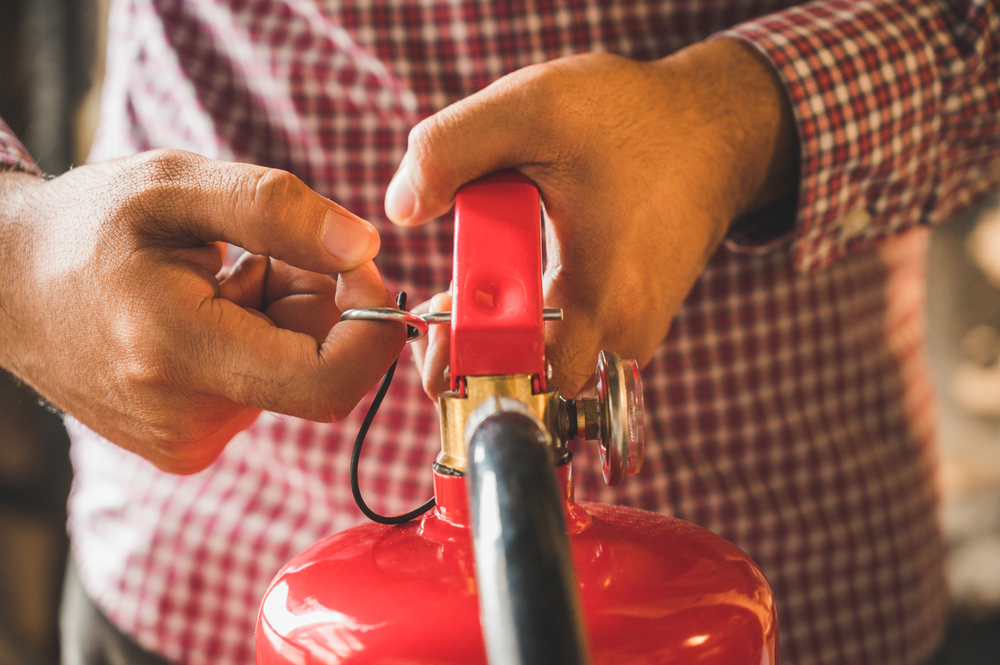
- Locate and operate the safety pin and handle.
- Follow the manufacturer’s instructions for aiming and discharge.
- Recognize when the fire is too dangerous to approach.
Training should cover the equipment actually installed at the premises. If any directions or symbols are unclear, ask a competent trainer to explain them.
Why Should You Never Test an Extinguisher During a Real Fire?
An inexperienced person may squeeze the handle briefly to see whether the unit works before attempting to control the flames. This can waste extinguishing agent and reduce the amount available for the actual response. It may also encourage the person to stay near a developing fire while troubleshooting equipment.
Readiness should be established through scheduled inspections and appropriate servicing, not through an improvised test during an emergency. Routine checks should follow the manufacturer’s instructions and applicable requirements.
Look for warning signs such as:
- Visible dents, corrosion, leakage, or other damage.
- A pressure indicator outside its acceptable range, where fitted.
- Missing seals, damaged hoses, or obstructed nozzles.
- Missing or outdated inspection and service records.
If a unit appears damaged or discharged, arrange assessment by a competent service provider rather than assuming it is ready for use.
How Can Poor Aiming Waste the Extinguishing Agent?
Imagine someone directing the discharge high into a column of flames while the burning material remains untouched. The extinguisher may release much of its contents without controlling the source of the fire. This is especially problematic when a person has only a limited amount of agent available.
For many suitable portable extinguishers, the general technique is to direct the discharge at the base of the fire and sweep as instructed for the particular unit. Training should cover the equipment actually installed at the premises.
The PASS method is commonly taught for suitable portable extinguishers:
- Pull the safety pin.
- Aim the nozzle at the base of the fire.
- Squeeze the operating handle.
- Sweep the discharge from side to side as directed.
This technique does not make every fire safe to approach. If the flames are spreading, the heat is intense, or smoke is obstructing the area, leave rather than trying to improve your aim.
What Mistakes Can Occur When a Fire Sprinkler System Activates?
When a fire sprinkler system operates, occupants may mistakenly assume that the situation is already under control or that they should remain nearby to assist. Sprinklers are designed to control or suppress fires according to the system’s design, but activation does not mean the danger has passed. Smoke, heat, and fire can remain present even after water begins flowing.
During an incident, remember to:
- Follow the building’s alarm and evacuation procedures.
- Leave promptly when instructed or when conditions become unsafe.
- Avoid obstructing sprinkler heads or interfering with system components.
- Never delay evacuation because you expect the sprinklers to control the fire.
Portable extinguishers and fixed systems have different functions. Neither should be treated as a reason to ignore a growing hazard.
Why Can the Wrong Storage Location Make Equipment Useless?
A workplace may own the correct equipment and still struggle to use it because the unit is difficult to reach. Boxes stacked in front of a wall-mounted extinguisher, a locked storage room, or a unit hidden behind a door can delay access at the moment it matters most.
The placement should be reviewed whenever a room’s layout changes. A new shelving unit or delivery area can unintentionally block equipment that was previously easy to find.
During a workplace inspection, check that:
- The extinguisher is visible and clearly identified.
- No furniture, cartons, or equipment obstruct access.
- The unit is securely mounted or stored as instructed.
- Signs remain visible from the normal approach route.
- Access is suitable for the people expected to use the equipment.
Equipment should be positioned according to the building’s fire risks and applicable requirements, not merely wherever a spare wall is available.
Why Is Trying to Save Property Sometimes the Wrong Decision?
A person may focus on protecting expensive machinery, stock, or documents and continue fighting a fire after conditions have deteriorated. This response can put the individual and nearby occupants at risk. Property can be replaced; exposure to dangerous heat and toxic smoke can have lasting consequences.
Extinguisher use should only be considered when the fire is at an early stage, the person is trained or competent to act, the equipment is suitable, and a clear escape route remains available.
Leave immediately if:
- The fire grows or spreads beyond the initial item.
- Smoke makes it difficult to see or breathe safely.
- The heat becomes intense.
- The exit is threatened, or the escape route is no longer clear.
- You are uncertain whether the equipment is suitable.
Raise the alarm, evacuate, and contact emergency services according to the local emergency procedure.
What Should Happen After an Extinguisher Has Been Used?
Discharging an extinguisher is not the final step in managing an incident. Burning materials can retain heat, and flames may return after they initially disappear. People should not approach hot debris or remain in a hazardous area to check whether the fire has been fully extinguished.
Once safely away, report the incident and follow instructions from emergency responders. Any unit that has been discharged should be identified and removed from service until it has been assessed and recharged or replaced as required.
After the incident:
- Notify the responsible safety or facilities manager.
- Arrange inspection of the discharged equipment.
- Record the incident and any damage.
- Review whether the extinguisher was suitable for the hazard.
- Identify any training or workplace procedure that needs improvement.
These steps help restore readiness and may reveal problems that need to be addressed before another emergency.
How Can a Workplace Prevent These Errors Before They Happen?
A useful fire safety briefing should be based on the actual hazards and equipment in the building. Staff should know which extinguisher is assigned to each risk, how to recognize its label, how to raise an alarm, and where to evacuate. Generic instructions alone may not prepare workers to distinguish between different extinguisher types.
Managers can support safer practices by:
- Arranging suitable fire safety training.
- Keeping equipment inspection and maintenance records.
- Maintaining clear access to extinguishers and escape routes.
- Reviewing fire risks when rooms, machinery, or materials change.
- Explaining alarm procedures and emergency assembly points.
- Replacing or servicing equipment according to the manufacturer’s guidance.
These measures help ensure that equipment selection and emergency procedures remain appropriate as the workplace changes.
Frequently Asked Questions
Can one extinguisher be used on every type of fire?
No. Each extinguisher has defined uses and limitations. Its label and manufacturer’s instructions should be checked against the hazard. Using an unsuitable agent can make some fires more dangerous.
Is it safe to use an extinguisher when smoke fills the room?
No. Smoke can contain toxic gases and rapidly reduce visibility. Leave the affected area, alert others, and contact emergency services. Do not enter a smoke-filled room to attempt firefighting.
Should an extinguisher be used if the fire is spreading?
A spreading fire should not be treated as a routine extinguisher task. Evacuate if the fire is growing, the escape route is threatened, or conditions are uncertain. Personal safety takes priority over property.
Can a discharged extinguisher be put back on its bracket?
It should not be considered ready for another emergency. Arrange the inspection, recharge, or replacement required by the manufacturer and applicable safety rules before returning it to service.
Conclusion
Mistakes during fire emergencies often begin with incorrect assumptions about equipment, operating methods, or the seriousness of the situation. Understanding the extinguisher label, checking equipment before an incident, keeping access clear, and recognizing when to evacuate can help reduce these risks. Regular maintenance and hazard-specific training give people a better chance of responding appropriately without putting themselves or others in unnecessary danger.