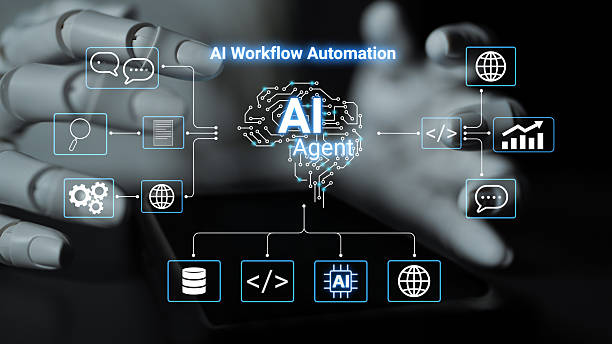
Modern companies need to manage more information, customers, employees, and business activities than ever before. As organizations grow, their daily processes can become increasingly complicated, especially when employees rely on manual methods to complete repetitive work. Tasks such as entering data, responding to routine requests, preparing documents, checking records, and communicating between departments can consume valuable working hours. These activities may appear simple, but when they are repeated hundreds of times, they can affect productivity and increase operational costs. Businesses can improve their performance by examining how work is completed and introducing practical digital systems that make repetitive processes faster, more consistent, and easier to manage.
Understanding Business Efficiency
Business efficiency is about achieving useful results while making the best use of available time and resources. It does not simply mean completing every task faster. A truly efficient business creates processes that reduce unnecessary steps, improve communication, prevent avoidable mistakes, and help employees focus on valuable work. When workflows are well organized, employees spend less time searching for information or waiting for approvals and more time serving customers and supporting business goals.
Reviewing Existing Workflows
Before changing a business process, companies should understand how it currently works. A single task may involve several employees, applications, documents, and approval stages. If managers only examine one part of the process, they may miss the real cause of delays. A complete workflow review can show where information enters the system, how it moves between departments, and where employees spend the most time. This provides a strong foundation for making practical improvements.
Identifying Repetitive Activities
Repetitive activities are often good candidates for process improvement. Employees may regularly send similar emails, update customer records, move information between platforms, organize files, or create standard reports. These tasks are usually predictable and can take a large amount of time over the course of a week or month. By identifying them, companies can determine which activities can be simplified or handled through digital workflows.
Creating More Organized Business Processes
An organized workflow gives employees a clear understanding of what should happen at each stage of a task. It can also reduce confusion when several departments are involved. Digital systems can help businesses create structured processes where actions occur according to defined conditions. This reduces the need for employees to remember every step and can make daily operations more consistent.
Connecting Business Systems
Companies often use separate software for sales, finance, customer support, marketing, inventory, and communication. When these platforms are disconnected, employees may have to copy information manually. This increases the risk of errors and wastes time. Connecting suitable systems can allow information to move automatically between platforms. A customer update entered in one system, for example, can become available to another department without requiring duplicate entry.
Improving Task Visibility
Employees work more effectively when they know which tasks are pending and which actions have already been completed. Digital workflows can provide status updates and notifications automatically. Instead of asking coworkers for updates or repeatedly checking different systems, employees can receive information when their involvement is needed. This makes responsibilities clearer and helps prevent important tasks from being forgotten.
Using Intelligent Digital Solutions
Businesses are increasingly using intelligent technology to improve routine operations. These systems can recognize information, follow predefined rules, trigger actions, and support communication between different platforms. An AI workflow automation agency can help organizations identify suitable processes and design digital workflows that fit their specific needs. This approach can be especially useful for companies that want to reduce repetitive work without changing the entire structure of their business.
Automating Routine Actions
Routine actions may include creating records, sending notifications, assigning tasks, updating statuses, and organizing information. When these actions are based on clear rules, they can often be handled through a structured digital workflow. Employees can then review important information and manage unusual situations instead of completing every routine step manually.
Improving Workflow Accuracy
Manual processes can lead to mistakes when employees are required to repeat the same action many times. A wrong number, missing detail, or incorrect customer record can create additional work later. AI workflow automation agency services can support processes that require consistent data handling and predefined actions. By reducing unnecessary manual entry, businesses can improve consistency and spend less time correcting avoidable errors.
Improving Customer Service
Customer service is one of the most important areas for any business because customers directly experience the quality of a company’s processes. When a customer request is delayed because information is difficult to find or because several departments need to coordinate manually, satisfaction can suffer. Efficient workflows can help companies organize customer information and respond more quickly.
Handling Requests Efficiently
Customer requests may arrive through websites, email, phone calls, forms, or messaging platforms. A structured workflow can collect this information and send it to the appropriate department. It can also create a record so employees can track the request from beginning to completion. This reduces the possibility of requests being missed and helps teams respond in a more organized manner.
Sending Timely Updates
Customers often want to know what is happening after they submit a request. Automated messages can provide confirmations, reminders, and status updates based on specific events. This reduces the need for employees to send routine messages manually. Customers receive useful information at the right time while service representatives remain available for more complex conversations.
Supporting Employee Productivity
Employees provide the creativity, knowledge, and judgment that businesses need to grow. However, their productivity can be affected when they spend too much time on administrative tasks. Improving workflows can free employees from some repetitive responsibilities and give them more time to focus on activities that create greater value.
Reducing Unnecessary Administration
Administrative tasks may include updating databases, preparing standard documents, organizing information, and checking routine statuses. These activities are necessary, but they do not always require direct human attention. Digital processes can reduce the amount of manual work involved and allow employees to spend more time on customer service, analysis, planning, and problem solving.
Encouraging Better Collaboration
Teams often need to work together to complete business processes. Sales may need information from finance, customer service may need order details, and operations may depend on both departments. If information does not move quickly between teams, work can slow down. AI workflow automation agency solutions can connect stages of a process and notify employees when their part of the workflow begins. This creates better coordination and reduces unnecessary follow-up.
Improving Business Data Management
Data is essential for making informed business decisions. Companies collect information about customers, transactions, marketing activity, financial performance, inventory, and internal operations. However, poor data management can reduce the value of this information. Businesses need reliable systems that help keep records accurate and make important information accessible.
Reducing Duplicate Entry
When employees enter the same information into several systems, mistakes become more likely. A customer detail may be entered correctly in one platform but incorrectly in another. Connected workflows can transfer relevant information between systems, reducing duplicate entry and improving consistency. Employees can then spend more time reviewing important information rather than copying it.
Improving Information Access
Employees need current information when they are making decisions or helping customers. If information is spread across several platforms, finding the correct details can take too long. Better digital integration can make information easier to access and reduce unnecessary delays. This can improve both employee productivity and customer service.
Strengthening Business Reporting
Reports help managers understand how the organization is performing. Sales figures, customer service statistics, financial information, and operational data can reveal important trends. However, manually preparing reports can consume significant time, particularly when information comes from different sources.
Making Reports More Efficient
Digital workflows can gather information from connected systems and organize it for review. This reduces the time employees spend collecting and formatting data. Managers can then focus on understanding the results and deciding what actions should be taken.
Supporting Better Decisions
Accurate and timely reports help managers respond to changing business conditions. If sales decline, customer requests increase, or a particular process becomes slower, management can identify the issue earlier. Better information allows businesses to make decisions based on actual performance rather than assumptions.
Preparing for Business Growth
Growth can place pressure on existing processes. A workflow that works well for a small organization may become inefficient when the number of customers and transactions increases. Businesses should consider scalability when improving their operations so that higher demand does not automatically create a larger administrative workload.
Building Scalable Workflows
An AI workflow automation agency can help companies develop workflows that handle predictable activities consistently as business volume increases. When routine tasks are structured properly, organizations can process more requests without requiring employees to manually repeat every action. This can help businesses grow while maintaining operational control.
Reviewing Systems Regularly
Business needs change over time. New services, customers, employees, and technologies can affect how work should be completed. Companies should review their workflows regularly to identify outdated steps and opportunities for improvement. Continuous review helps ensure that systems remain useful as the organization develops.
Maintaining Human Oversight
Technology can manage many routine activities, but human judgment remains important. Complex customer situations, sensitive decisions, creative work, and unusual business cases often require people. Businesses should create clear points where employees can review information before important decisions are completed. This creates a balance between digital efficiency and human responsibility.
Training Employees
Employees need proper training when new workflows are introduced. They should understand how the system operates, what their responsibilities are, and when they need to intervene. Training can improve adoption and reduce confusion. Employee feedback can also reveal practical improvements that may not have been considered during the initial design.
Conclusion
Modern companies can improve daily efficiency by reviewing workflows, reducing repetitive work, connecting business systems, and improving the way information moves between departments. Intelligent digital processes can help employees spend more time on valuable responsibilities while reducing unnecessary administration. An AI workflow automation agency can support businesses in designing practical systems that match their operational needs. The most successful approach combines technology with human judgment rather than attempting to automate every activity. By starting with clear goals, measuring results, training employees, and continuously reviewing processes, businesses can build efficient operations that support better service, stronger productivity, and sustainable growth.