Clear, durable, and professional labels are essential for businesses that depend on accurate product identification, inventory management, shipping, and barcode tracking. Whether you operate a warehouse, retail store, manufacturing facility, or logistics business, the quality of your printed labels can directly affect daily operations.
A faded barcode, smudged product label, or unreadable tracking number can cause unnecessary delays, scanning errors, and inventory problems. That is why selecting the right thermal transfer printing supplies matters.
One popular option is the wax resin thermal transfer ribbon, a versatile printing consumable designed to provide a balance between print quality, durability, and affordability.
Unlike basic wax ribbons, wax resin ribbons combine wax and resin-based components to produce printed images with improved resistance to smudging, scratching, and certain environmental conditions.
They are commonly used for barcode labels, shipping labels, product identification, asset tracking, and other applications where printed information needs to remain readable during handling.
However, choosing the right ribbon involves more than selecting a compatible size. Ribbon formulation, label material, printer specifications, print speed, and operating conditions all influence performance.
This comprehensive guide explains how wax resin ribbons work, their benefits, common applications, differences from other ribbon types, and practical tips for choosing reliable thermal transfer printing supplies.
What Is a Wax Resin Thermal Transfer Ribbon?
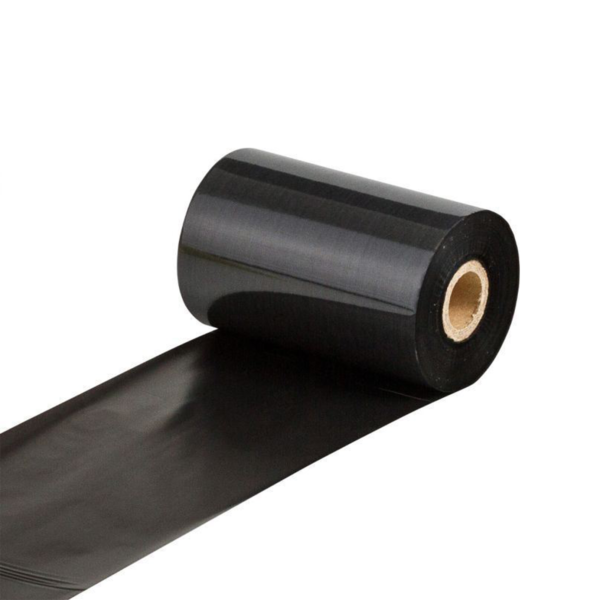
A wax resin thermal transfer ribbon is a specialised printing ribbon used in thermal transfer printers to create text, barcodes, graphics, and other information on labels.
It contains an ink coating formulated with a combination of wax and resin components.
During printing, heat from the printer’s thermal printhead transfers the ink from the ribbon onto the label surface.
The transferred ink forms the printed image.
Wax resin ribbons are designed to offer greater durability than standard wax ribbons while remaining more economical than many full-resin formulations.
They are commonly used with suitable paper labels and synthetic label materials.
The exact compatibility depends on the ribbon formulation and label surface.
These ribbons are available in different widths, lengths, core sizes, and winding configurations.
Businesses often select wax resin ribbons for applications requiring reliable barcode scanning, clear text, and moderate resistance to abrasion.
They are particularly useful when ordinary wax ribbons do not provide sufficient print durability.
How Does a Wax Resin Thermal Transfer Ribbon Work?
Thermal transfer printing uses heat to move ink from a ribbon onto a label.
The process is different from direct thermal printing, which creates images on heat-sensitive label material without using a ribbon.
Thermal Printhead Activation
The printer’s thermal printhead contains heating elements that activate according to the required image.
Ribbon Contact
The ribbon passes between the printhead and the label material.
Ink Transfer
Heat causes the ribbon’s ink coating to transfer onto the label surface.
Image Formation
The transferred ink creates text, barcodes, logos, and other printed information.
Label Movement
The printer advances the label and ribbon to continue the printing process.
A wax resin thermal transfer ribbon is formulated to provide effective ink transfer while improving the durability of the finished print.
However, print quality depends on the combination of ribbon, label material, printer settings, and operating conditions.
Correct heat settings, print speed, and ribbon compatibility are essential for consistent results.
Key Benefits of Wax Resin Thermal Transfer Ribbons
Wax resin ribbons are widely used because they provide a practical balance between cost and performance.
Their advantages make them suitable for many commercial labelling applications.
1. Improved Print Durability
Compared with standard wax ribbons, a wax resin thermal transfer ribbon generally offers better resistance to rubbing and smudging.
2. Clear Barcode Printing
Wax resin formulations can produce sharp barcodes when matched with suitable labels and printer settings.
3. Versatile Label Compatibility
Many wax resin ribbons work with coated paper and selected synthetic label materials.
4. Professional Print Appearance
They can produce clear text, detailed graphics, and consistent product identification.
5. Moderate Environmental Resistance
Certain formulations provide improved resistance to moisture and limited chemical exposure compared with standard wax ribbons.
However, resistance varies by product.
6. Cost-Effective Performance
Wax resin ribbons often cost less than full-resin alternatives.
7. Suitable for Commercial Applications
They are commonly used in logistics, retail, manufacturing, warehousing, and asset identification.
These benefits make wax resin ribbons a practical choice for labels requiring more durability than basic wax printing can provide.
Wax Resin vs Wax vs Resin Thermal Transfer Ribbons
Thermal transfer ribbons are generally divided into three main categories: wax, wax resin, and resin.
Each type is designed for different printing requirements.
Wax Thermal Transfer Ribbons
Wax ribbons are commonly used for basic paper labels.
They are generally economical and suitable for applications involving limited abrasion or environmental exposure.
However, printed images may smudge or scratch more easily.
Wax Resin Thermal Transfer Ribbons
A wax resin thermal transfer ribbon combines wax and resin-based components.
It typically offers better abrasion resistance than standard wax while maintaining reasonable printing costs.
Wax resin ribbons are often suitable for coated paper and selected synthetic labels.
Resin Thermal Transfer Ribbons
Resin ribbons are designed for applications requiring greater durability.
They may provide stronger resistance to chemicals, abrasion, heat, and environmental exposure when used with compatible label materials.
Which Ribbon Is Best?
Wax ribbons are often suitable for short-term paper labels.
Wax resin ribbons are useful for moderate-duty applications.
Resin ribbons are generally preferred for demanding environments requiring specialised durability.
The correct choice depends on label material, exposure conditions, and required print lifespan.
Common Applications of Wax Resin Thermal Transfer Ribbons
Wax resin ribbons are used in many industries where labels must remain readable during handling, transportation, and storage.
Barcode Labels
Businesses use thermal transfer printing to create barcodes for inventory tracking and product identification.
Shipping and Logistics
A wax resin thermal transfer ribbon can be used for shipping labels that require improved resistance to rubbing during handling.
Warehouse Management
Warehouses rely on durable labels to identify shelves, cartons, pallets, and inventory locations.
Retail Product Labels
Retail businesses may use wax resin printing for pricing, product identification, and stock management.
Manufacturing
Manufacturers use printed labels to identify components, finished products, and production batches.
Asset Tracking
Businesses may label equipment, tools, and other assets for identification.
Pharmaceutical and Healthcare Packaging
Some applications may use wax resin printing where the label system meets the relevant requirements.
The ribbon must be selected according to the specific label material, handling conditions, and industry standards.
Wax Resin Thermal Transfer Ribbon for Barcode Printing
Barcode readability is essential for efficient inventory management and product tracking.
Poor-quality printing can create scanning errors, delays, and operational problems.
Wax resin ribbons are frequently selected for barcode applications because they can produce clear and durable printed images.
Sharp Barcode Edges
A suitable wax resin thermal transfer ribbon can create defined barcode lines that support accurate scanning.
Improved Smudge Resistance
Printed barcodes may experience friction during packing, shipping, and handling.
Wax resin formulations generally provide improved resistance compared with standard wax ribbons.
Consistent Print Quality
Correct printer settings can help maintain uniform printing across large label batches.
Suitable Label Materials
Many wax resin ribbons are compatible with coated paper and selected synthetic labels.
Reliable Inventory Tracking
Readable barcodes support efficient product identification and stock management.
However, ribbon quality alone does not guarantee barcode readability.
Printer resolution, label design, barcode dimensions, printhead condition, and verification procedures also influence scanning performance.
Wax Resin Thermal Transfer Ribbon for Shipping and Logistics
Shipping and logistics operations depend on labels that remain readable throughout transportation.
Packages may pass through multiple warehouses, sorting facilities, and delivery vehicles before reaching their destination.
During this process, labels can experience friction, moisture, and repeated handling.
A wax resin thermal transfer ribbon may provide improved print durability compared with basic wax ribbons.
Shipping Labels
Wax resin ribbons can produce tracking numbers, delivery information, and barcodes on compatible labels.
Carton Identification
Businesses use printed labels to identify cartons and shipping containers.
Pallet Labels
Warehouse teams rely on clear pallet identification for stock movement and storage.
Distribution Centres
Consistent label printing supports sorting and inventory control.
Returns Processing
Readable labels can simplify product returns and reverse logistics.
For demanding shipping environments, businesses should test the complete ribbon-and-label combination under expected handling conditions.
The correct formulation can help reduce label damage and scanning problems.
Wax Resin Thermal Transfer Ribbon for Manufacturing
Manufacturing businesses require reliable labelling systems to identify products, components, and production materials.
Labels may contain serial numbers, batch codes, product descriptions, and inventory information.
Component Identification
Printed labels help workers identify individual parts and materials.
Batch Tracking
Manufacturers may use thermal transfer labels to track production batches.
Product Packaging
A wax resin thermal transfer ribbon can produce clear product information on compatible packaging labels.
Inventory Management
Barcode labels help connect manufacturing operations with warehouse systems.
Quality Control
Readable identification labels support traceability and product verification.
Equipment Identification
Some manufacturing facilities use printed labels for tools and equipment.
However, manufacturing environments vary considerably.
Labels exposed to oils, solvents, high temperatures, or harsh chemicals may require full-resin ribbons and specialised synthetic materials.
Businesses should evaluate environmental conditions before selecting printing supplies.
Understanding Wax Resin Ribbon Materials and Construction
A thermal transfer ribbon consists of several functional layers.
These layers work together to support reliable printing and protect the printer.
Base Film
Most ribbons use a thin polyester film as the supporting material.
Ink Coating
The ink layer contains wax, resin, pigments, and other formulation components.
Backcoat Layer
Many ribbons include a backcoat designed to reduce friction and protect the thermal printhead.
Core
The ribbon is wound onto a core that must match the printer’s specifications.
Winding Direction
Ribbons may be manufactured with ink facing inward or outward.
A wax resin thermal transfer ribbon must have the correct winding configuration for the printer.
Using an incompatible ribbon can cause printing failures or operational problems.
Manufacturers may use different formulations to optimise print darkness, transfer temperature, durability, and label compatibility.
How to Choose the Right Wax Resin Thermal Transfer Ribbon
Selecting the correct ribbon requires evaluating several technical factors.
Printer Compatibility
Confirm that the ribbon is suitable for your thermal transfer printer model.
Ribbon Width
The ribbon should be wide enough to cover the printed area and appropriately protect the printhead.
Ribbon Length
Choose a length supported by the printer’s ribbon capacity.
Core Size
Check the required core diameter.
Winding Direction
Verify whether the printer requires ink-in or ink-out ribbon winding.
Label Material
A wax resin thermal transfer ribbon should be matched with compatible paper or synthetic labels.
Printing Conditions
Consider print speed, darkness settings, and printer resolution.
Environmental Exposure
Evaluate whether labels will encounter abrasion, moisture, chemicals, or temperature changes.
Testing samples before large purchases can help businesses identify the best ribbon formulation.
Wax Resin Thermal Transfer Ribbon Compatibility With Label Materials
Ribbon compatibility is one of the most important factors affecting print performance.
Different label surfaces interact differently with thermal transfer inks.
Coated Paper Labels
Wax resin ribbons commonly perform well on suitable coated paper labels.
Uncoated Paper Labels
Some wax resin formulations may work with uncoated paper, although standard wax ribbons may be more economical for basic applications.
Polypropylene Labels
Certain wax resin ribbons are suitable for polypropylene materials.
Polyethylene Labels
Compatibility depends on the specific ribbon formulation and label coating.
Polyester Labels
Some applications require specialised resin ribbons for improved adhesion and durability on polyester.
Synthetic Labels
A wax resin thermal transfer ribbon may work with selected synthetic materials when properly matched.
Businesses should review manufacturer compatibility recommendations.
Testing the complete printing combination is the most reliable way to assess performance.
How to Install a Wax Resin Thermal Transfer Ribbon Correctly
Correct installation helps prevent printing errors, ribbon wrinkles, and unnecessary waste.
Step 1: Turn Off or Prepare the Printer
Follow the printer manufacturer’s instructions before opening the print mechanism.
Step 2: Open the Printer
Access the ribbon supply and take-up areas.
Step 3: Check Ribbon Orientation
Confirm the correct ink-facing direction.
Step 4: Install the Ribbon Roll
Place the wax resin thermal transfer ribbon onto the appropriate supply spindle.
Step 5: Thread the Ribbon
Guide the ribbon through the printer according to the manufacturer’s loading diagram.
Step 6: Attach the Take-Up Core
Secure the ribbon to the take-up mechanism.
Step 7: Remove Slack
Rotate the take-up spindle as instructed to remove excess ribbon slack.
Step 8: Close the Printer
Secure the print mechanism and printer cover.
Step 9: Print a Test Label
Check print quality, alignment, and barcode readability.
Incorrect installation can cause blank labels, wrinkles, and inconsistent printing.
How to Improve Print Quality With Wax Resin Thermal Transfer Ribbons
Even high-quality ribbons may produce poor results when printer settings are incorrect.
Optimising the printing process can improve label clarity and reduce waste.
Adjust Print Darkness
Thermal transfer printers use heat settings to control ink transfer.
Insufficient heat may produce faint printing.
Excessive heat can cause ribbon damage, smudging, or reduced print quality.
Review Print Speed
Some ribbon and label combinations perform better at lower printing speeds.
Clean the Printhead
Dust and adhesive residue can interfere with printing.
Check Ribbon Tension
Incorrect tension may cause wrinkles or uneven printing.
Use Compatible Labels
A wax resin thermal transfer ribbon should be matched with suitable label material.
Inspect Printer Components
Worn rollers or damaged printheads may affect print quality.
Perform Test Prints
Regular testing helps identify problems before large printing jobs.
Businesses should follow printer and ribbon manufacturer recommendations when adjusting settings.
Common Problems With Wax Resin Thermal Transfer Ribbons
Thermal transfer printing problems can affect productivity and label readability.
Understanding common issues helps businesses troubleshoot more efficiently.
Faded Printing
Possible causes include insufficient printhead heat, incompatible labels, or a worn printhead.
Ribbon Wrinkles
Wrinkles may result from incorrect loading, tension problems, or printer alignment.
Smudged Labels
A wax resin thermal transfer ribbon may smudge if the formulation is unsuitable for the label material or handling conditions.
Blank Labels
Incorrect ribbon orientation or installation can prevent ink transfer.
Broken Ribbon
Excessive heat, tension, or mechanical problems may damage the ribbon.
Poor Barcode Scanning
Low print contrast, incorrect barcode dimensions, or damaged labels may affect scanning.
Uneven Printing
Dirty printheads, worn rollers, or inconsistent pressure may cause uneven images.
Regular maintenance and correct consumable selection can reduce these problems.
How Long Do Wax Resin Thermal Transfer Printed Labels Last?
The lifespan of a thermal transfer label depends on several factors.
Ribbon formulation is important, but label material and environmental exposure also influence durability.
Indoor Storage
Labels stored in clean, dry indoor environments may remain readable for extended periods.
Handling Frequency
Frequent rubbing and abrasion can gradually damage printed information.
Moisture Exposure
Some wax resin formulations provide moderate moisture resistance.
However, performance varies between products.
Chemical Contact
Exposure to solvents, oils, or cleaning chemicals may damage printed images.
Temperature Conditions
Extreme temperatures can affect label adhesives, substrates, and printed information.
Label Material
Synthetic labels may provide greater durability than ordinary paper in some applications.
A wax resin thermal transfer ribbon is generally suitable for moderate-duty labelling requirements.
For demanding outdoor or industrial applications, specialised resin ribbons may provide better long-term performance.
Buying Wax Resin Thermal Transfer Ribbons in Bulk
Businesses that print large quantities of labels often benefit from purchasing ribbons in bulk.
Wholesale purchasing can reduce procurement costs and simplify inventory management.
Lower Unit Costs
Larger orders may qualify for volume discounts.
Consistent Stock Availability
Maintaining sufficient ribbon inventory helps prevent printing interruptions.
Reduced Ordering Frequency
Bulk purchasing can simplify procurement procedures.
Standardised Printing Supplies
Using consistent ribbon specifications supports predictable print quality.
Convenient Distribution
Businesses operating multiple facilities can distribute ribbons from central inventory.
Better Budget Planning
Regular purchasing arrangements can improve cost forecasting.
When purchasing wax resin thermal transfer ribbon products in bulk, businesses should verify compatibility before ordering large quantities.
Storage conditions, shelf life, and expected consumption should also be considered.
How Much Does a Wax Resin Thermal Transfer Ribbon Cost?
Ribbon prices vary according to formulation, dimensions, manufacturer, quality, and order quantity.
Ribbon Width
Wider ribbons generally contain more material.
Ribbon Length
Longer rolls may offer a lower cost per metre.
Formulation Quality
Specialised wax resin formulations may cost more than standard products.
Brand
Prices may differ between original equipment manufacturer products and compatible alternatives.
Order Quantity
Wholesale purchases may qualify for discounts.
Delivery Costs
Shipping charges can affect the total purchase price.
Calculating Cost Per Metre
For example, if a ribbon roll costs $24 and contains 300 metres, the ribbon cost is $0.08 per metre.
Businesses comparing wax resin thermal transfer ribbon products should evaluate total printing costs rather than purchase price alone.
Ribbon consumption, label waste, printhead maintenance, and printing reliability can influence overall value.
How to Store Wax Resin Thermal Transfer Ribbons Properly
Correct storage helps maintain ribbon performance and reduce unnecessary waste.
Thermal transfer ribbons should be stored according to manufacturer recommendations.
Avoid Excessive Heat
High temperatures may affect ribbon coatings and performance.
Protect Against Direct Sunlight
Prolonged sunlight exposure may contribute to material deterioration.
Maintain Suitable Humidity
Excessive moisture can affect packaging and storage conditions.
Keep Ribbons in Original Packaging
Protective packaging helps prevent dust and physical damage.
Avoid Crushing
Heavy objects can deform ribbon rolls and cores.
Rotate Stock
Businesses should use older inventory first when appropriate.
Check Shelf Life
Some manufacturers specify recommended storage periods.
Properly stored wax resin thermal transfer ribbon products are more likely to provide consistent printing performance.
Environmental Considerations for Thermal Transfer Ribbons
Thermal transfer ribbons are consumable products that generate waste after use.
Most ribbons contain polyester film and ink coatings that are not readily processed through standard recycling systems.
However, businesses can take steps to reduce unnecessary waste.
Select the Correct Ribbon
Using compatible ribbons helps prevent failed prints.
Optimise Printer Settings
Correct heat and speed settings can reduce ribbon damage and label waste.
Maintain Printing Equipment
Regular maintenance helps improve printing efficiency.
Plan Inventory Carefully
Accurate demand forecasting can reduce unused or expired stock.
Review Recycling Options
Specialist recycling programs may accept certain thermal transfer ribbon materials.
Avoid Unsupported Environmental Claims
Businesses should verify sustainability information provided by manufacturers.
Choosing a suitable wax resin thermal transfer ribbon can improve printing reliability and reduce unnecessary consumable waste.
How to Find a Reliable Wax Resin Thermal Transfer Ribbon Supplier
A dependable supplier is important for businesses that rely on continuous label printing.
Product Compatibility
Choose suppliers offering ribbons suitable for your printer models.
Technical Specifications
Look for detailed information about ribbon dimensions, formulation, and winding direction.
Consistent Quality
Reliable products help maintain predictable printing performance.
Competitive Pricing
Compare prices across multiple suppliers.
Wholesale Availability
Businesses with high printing volumes may benefit from bulk purchasing.
Delivery Reliability
Consistent supply helps prevent operational interruptions.
Technical Support
Knowledgeable suppliers can assist with ribbon selection and compatibility questions.
Product Samples
Testing a wax resin thermal transfer ribbon before purchasing large quantities can help confirm suitability.
A reliable supplier should provide accurate specifications rather than making unsupported durability claims.
Conclusion: Why Wax Resin Thermal Transfer Ribbon Is a Smart Printing Choice
Reliable label printing is essential for businesses that depend on accurate identification, barcode scanning, shipping, and inventory tracking.
A wax resin thermal transfer ribbon offers a practical balance between print durability, quality, and cost.
Compared with standard wax ribbons, wax resin formulations generally provide improved resistance to smudging and abrasion.
They are widely used for barcode labels, product identification, shipping labels, warehouse management, and manufacturing applications.
However, successful printing depends on selecting the correct ribbon for the printer, label material, and operating environment.
Businesses should evaluate ribbon width, length, core size, winding direction, print settings, and expected label exposure.
For demanding environments involving chemicals, extreme temperatures, or heavy abrasion, specialised resin ribbons may be more appropriate.
By choosing suitable printing supplies, maintaining equipment, and working with reliable suppliers, businesses can achieve consistent label quality while managing operational costs.
Frequently Asked Questions About Wax Resin Thermal Transfer Ribbons
1. What is a wax resin thermal transfer ribbon used for?
A wax resin thermal transfer ribbon is used to print text, barcodes, graphics, and identification information onto compatible labels. Common applications include shipping labels, product identification, warehouse management, retail labelling, and asset tracking. It provides improved print durability compared with many standard wax ribbons.
2. What is the difference between wax and wax resin ribbons?
Wax ribbons are generally economical and suitable for basic paper labels. Wax resin ribbons contain a combination of wax and resin-based components, providing improved resistance to smudging and abrasion. They are commonly used when labels require greater durability during handling and transportation.
3. Is wax resin ribbon better than full resin ribbon?
Neither ribbon type is universally better. Wax resin ribbons offer a balance of durability and affordability for moderate-duty applications. Full-resin ribbons are generally more suitable for demanding environments involving chemicals, heat, or heavy abrasion. The best option depends on the label material and intended application.
4. Can wax resin ribbons print on synthetic labels?
Yes. Many wax resin ribbons are compatible with selected synthetic label materials, including certain polypropylene and polyethylene labels. However, compatibility varies according to ribbon formulation and label coating. Testing the complete ribbon-and-label combination is recommended.
5. Are wax resin thermal transfer ribbons waterproof?
Some wax resin formulations offer improved moisture resistance compared with standard wax ribbons. However, complete waterproof performance depends on the ribbon, label material, adhesive, and environmental conditions. Businesses should verify product specifications and test labels before relying on them in wet environments.
6. How do I know which thermal transfer ribbon fits my printer?
Check your printer’s specifications for ribbon width, maximum length, core size, and winding direction. You should also confirm compatibility with the label material. Printer manufacturers and reputable suppliers can provide technical information to help identify suitable ribbon products.
7. Can I use wax resin ribbons for barcode printing?
Yes. Wax resin ribbons are commonly used for barcode printing because they can produce sharp, readable images with improved resistance to smudging. Barcode quality also depends on printer resolution, label material, print settings, barcode design, and equipment maintenance.
8. How long does a wax resin thermal transfer ribbon last?
The lifespan of a ribbon roll depends on its length, printing volume, label dimensions, and printer operation. The durability of printed labels depends on ribbon formulation, label material, handling, and environmental exposure. Manufacturers may also specify storage shelf life for unused ribbons.
9. Can wax resin ribbons be used in direct thermal printers?
No. Thermal transfer ribbons require a printer equipped with a thermal transfer printing mechanism. Direct thermal printers create images on heat-sensitive labels without using ribbons. Some printers support both printing methods, but the correct mode and compatible supplies must be selected.
10. Where can I buy wax resin thermal transfer ribbons in bulk?
Wax resin ribbons are available from barcode equipment suppliers, label manufacturers, packaging distributors, industrial printing suppliers, and specialist wholesalers. Before purchasing, compare ribbon specifications, printer compatibility, formulation quality, unit pricing, delivery arrangements, and supplier reliability.