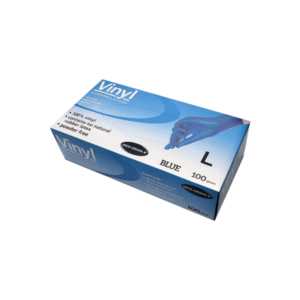
Disposable gloves are essential products for businesses that prioritise hygiene, workplace safety, and efficient daily operations. From commercial kitchens and hospitality businesses to cleaning companies, healthcare facilities, and beauty salons, disposable gloves help reduce direct contact with certain contaminants and support safer working practices.
However, choosing the right gloves is only part of the purchasing process. Finding a reliable disposable gloves supplier is equally important for maintaining consistent product quality, competitive pricing, and dependable stock availability.
Businesses that use gloves regularly often face challenges such as fluctuating prices, inconsistent sizing, delayed deliveries, and products that do not meet their specific requirements. These problems can disrupt operations and increase purchasing costs.
Working with a trustworthy supplier can simplify procurement, improve inventory management, and ensure employees have access to suitable protective products when needed.
Whether you operate a small restaurant, manage a hotel, oversee a cleaning business, or purchase protective equipment for a large organisation, understanding disposable glove materials, product specifications, and wholesale purchasing options is essential.
This comprehensive guide explores the different types of disposable gloves, their applications, benefits, safety considerations, and practical strategies for selecting a dependable supplier.
What Is a Disposable Gloves Supplier?
A disposable gloves supplier is a business that provides single-use protective gloves to individuals, commercial organisations, and professional workplaces.
Suppliers may operate as manufacturers, wholesalers, distributors, or specialist retailers.
Their product ranges often include nitrile, vinyl, latex, and polyethylene gloves designed for different applications.
A professional disposable gloves supplier typically offers multiple glove sizes, packaging quantities, and product specifications to accommodate different customer requirements.
Some suppliers specialise in particular industries, such as healthcare, food service, hospitality, or commercial cleaning.
Others provide general-purpose protective gloves suitable for a broad range of low-risk activities.
Wholesale suppliers often sell gloves in cartons containing multiple dispensing boxes, allowing businesses to purchase larger quantities at competitive unit prices.
However, not all disposable gloves offer the same level of protection.
A dependable supplier should provide accurate product information, relevant compliance documentation, and guidance about intended applications.
This helps businesses select gloves appropriate for their operational requirements.
Why Choosing the Right Disposable Gloves Supplier Matters
Disposable gloves are frequently used throughout the working day in many commercial environments.
Running out of suitable gloves can disrupt workflows, while purchasing poor-quality products may increase waste and create safety concerns.
A reliable disposable gloves supplier helps businesses avoid these problems.
Consistent Product Quality
Dependable suppliers provide gloves with consistent sizing, material composition, and manufacturing quality.
Reliable Stock Availability
Businesses need confidence that essential products will remain available during busy periods.
Competitive Pricing
Established suppliers may offer wholesale pricing and volume discounts.
Simplified Procurement
Working with a consistent supplier reduces the need to compare products and arrange new orders repeatedly.
Relevant Product Information
Professional suppliers should provide clear specifications covering material, thickness, intended use, and applicable standards.
Better Customer Support
Responsive service can help businesses resolve delivery issues, product concerns, and ordering questions.
Improved Inventory Planning
Predictable supply arrangements allow businesses to forecast consumption and schedule replenishment.
Choosing the right supplier is therefore an important operational decision rather than simply a purchasing convenience.
Different Types of Disposable Gloves Available From Suppliers
Disposable gloves are manufactured from different materials, each offering specific advantages and limitations.
Understanding these differences is essential when comparing suppliers.
Nitrile Gloves
Nitrile gloves are manufactured from synthetic nitrile rubber.
They generally offer good elasticity, durability, and puncture resistance.
Nitrile gloves are widely used in healthcare, cleaning, laboratories, food handling, and other professional environments.
However, chemical compatibility must be checked for each intended exposure.
Vinyl Gloves
Vinyl gloves are made primarily from polyvinyl chloride (PVC).
They are often economical and suitable for short-duration, low-risk tasks.
Vinyl gloves generally offer less elasticity and puncture resistance than nitrile gloves.
Latex Gloves
Latex gloves are manufactured from natural rubber latex.
They provide excellent flexibility and a close fit.
However, natural rubber latex proteins can cause allergic reactions in susceptible individuals.
Polyethylene Gloves
Polyethylene gloves are lightweight and commonly used for brief, low-risk activities.
They often have a loose fit and are convenient for frequent changes.
A reputable disposable gloves supplier should explain the differences between these materials and help customers identify suitable products.
Benefits of Buying From a Wholesale Disposable Gloves Supplier
Businesses that use large quantities of gloves may benefit from wholesale purchasing.
Buying in bulk can reduce procurement costs and simplify inventory management.
Lower Unit Prices
Wholesale orders may qualify for volume discounts.
Consistent Product Availability
Maintaining sufficient stock helps prevent operational interruptions.
Convenient Packaging
Gloves are often supplied in dispensing boxes and commercial cartons.
Reduced Ordering Frequency
Bulk purchasing can minimise repeated administrative tasks.
Easier Multi-Location Distribution
Businesses operating multiple sites can distribute gloves from central inventory.
Flexible Product Selection
Some suppliers offer mixed-size cartons or multiple glove materials within a purchasing arrangement.
Working with a wholesale disposable gloves supplier can help organisations manage recurring demand more efficiently.
However, buyers should consider storage capacity, product shelf life, and realistic consumption before placing large orders.
Disposable Gloves Supplier for Food Handling and Hospitality
Food service and hospitality businesses frequently require disposable gloves for selected hygiene-related activities.
Restaurants, cafés, catering companies, hotels, and commercial kitchens may use gloves when handling food or performing routine cleaning tasks.
However, glove selection should always reflect the intended application.
Food-Contact Requirements
Not every disposable glove is automatically suitable for direct food contact.
Businesses should verify that products meet applicable food-contact requirements.
Preventing Cross-Contamination
Employees should change gloves when switching between activities that could transfer contaminants.
Handwashing Practices
Disposable gloves do not replace proper handwashing.
Food handlers must continue following appropriate hygiene procedures.
Comfortable Sizing
Correct glove sizes help employees work efficiently.
Reliable Bulk Supply
A dependable disposable gloves supplier can help hospitality businesses maintain sufficient inventory during busy operating periods.
Product Suitability
Some glove materials may have limitations involving fatty foods, temperature, or contact duration.
Food businesses should review manufacturer specifications before selecting gloves.
Disposable Gloves Supplier for Cleaning and Housekeeping Businesses
Cleaning companies and housekeeping departments frequently use disposable gloves to reduce direct hand contact with certain materials.
However, cleaning tasks can involve different hazards, including chemicals, moisture, and potentially contaminated surfaces.
Selecting appropriate gloves is essential.
Light Cleaning Activities
Vinyl or other suitable gloves may be used for selected low-risk housekeeping tasks.
Chemical Handling
Some cleaning chemicals require gloves with specific chemical resistance.
Nitrile or reusable chemical-resistant gloves may be more appropriate, depending on the substance.
Workplace Risk Assessment
Employers should assess exposure hazards before selecting protective equipment.
Frequent Glove Changes
Cleaning employees may need to replace gloves when moving between tasks or contaminated areas.
Bulk Purchasing
A commercial disposable gloves supplier can provide consistent stock for cleaning teams operating across multiple locations.
Product Documentation
Suppliers should provide relevant information about glove material and chemical compatibility.
Cleaning businesses should never assume that all disposable gloves provide adequate protection against concentrated detergents, solvents, or disinfectants.
Disposable Gloves Supplier for Healthcare and Medical Applications
Healthcare environments often require disposable gloves that meet specific regulatory and performance requirements.
Medical examination gloves and surgical gloves are not interchangeable with ordinary general-purpose gloves.
Medical Examination Gloves
These gloves are designed for appropriate patient examination and clinical activities.
They must meet applicable medical device requirements.
Surgical Gloves
Surgical gloves are manufactured for specific clinical applications and generally require sterile packaging and additional performance characteristics.
Barrier Performance
Healthcare gloves should provide suitable protection for the intended procedure.
Material Selection
Nitrile, latex, and other materials may be used depending on clinical requirements and allergy considerations.
Regulatory Compliance
A medical disposable gloves supplier should provide relevant documentation demonstrating product compliance.
Infection Prevention
Healthcare organisations must follow appropriate infection prevention and control procedures.
General-purpose gloves should not be substituted for medical gloves without verifying their suitability.
Healthcare buyers should prioritise regulatory compliance, product quality, and clinical requirements over price alone.
How to Choose the Best Disposable Gloves Supplier
Selecting a supplier requires careful evaluation of several factors.
The most suitable provider should offer reliable products, transparent pricing, and dependable service.
Product Range
Choose a supplier offering glove materials and sizes appropriate for your business.
Quality Assurance
Review product specifications and manufacturing information.
Competitive Pricing
Compare unit prices across suppliers.
Delivery Reliability
Confirm expected delivery times and shipping arrangements.
Stock Availability
Consistent inventory is particularly important for businesses with recurring demand.
Compliance Documentation
Ask for relevant certifications and product testing information.
Customer Support
Responsive customer service can help resolve ordering issues.
Flexible Order Quantities
Some suppliers offer smaller wholesale orders or mixed product cartons.
Before selecting a disposable gloves supplier, request samples whenever practical.
Testing gloves allows employees to evaluate comfort, sizing, durability, and suitability for everyday tasks.
Understanding Disposable Glove Sizes and Thickness
Proper glove sizing improves comfort and practical performance.
Disposable gloves are commonly available in small, medium, large, and extra-large sizes.
Some manufacturers also offer extra-small or additional sizing options.
Small Gloves
Suitable for users with narrower hands.
Medium Gloves
Designed for many users with average hand dimensions.
Large Gloves
Provide additional room for wider hands.
Extra-Large Gloves
Accommodate users requiring greater hand width and finger space.
Why Thickness Matters
Glove thickness can influence durability, flexibility, and tactile sensitivity.
However, thicker gloves do not automatically provide adequate protection against every chemical or physical hazard.
Choosing the Right Fit
Gloves should allow natural hand movement without excessive tightness or looseness.
A professional disposable gloves supplier should provide sizing charts and detailed product specifications.
Businesses should consider stocking multiple sizes to accommodate different employees.
Powder-Free vs Powdered Disposable Gloves
Disposable gloves are available in different formulations, including powder-free and, in some markets and applications, powdered varieties.
Historically, glove powder was used to make gloves easier to put on and remove.
However, powder can create residue and may contribute to workplace concerns.
Powder-Free Gloves
Powder-free gloves are widely used in commercial and professional environments.
They help reduce loose powder residue on surfaces and handled products.
Powdered Gloves
Powdered gloves may be available for certain non-medical applications, depending on local regulations.
In the United States, powdered medical gloves are prohibited by the FDA.
Food Handling Considerations
Food businesses often prefer powder-free gloves, provided the products meet relevant food-contact requirements.
Healthcare Applications
Healthcare buyers must follow applicable medical glove regulations and facility policies.
Supplier Selection
A reliable disposable gloves supplier should clearly identify whether products are powder-free and explain their intended use.
Businesses should choose gloves according to applicable standards rather than convenience alone.
How Much Do Disposable Gloves Cost Wholesale?
Wholesale disposable glove prices vary according to material, thickness, quality, packaging, supplier, and order volume.
Nitrile gloves are often more expensive than basic vinyl or polyethylene gloves.
However, prices fluctuate according to manufacturing costs, demand, and supply conditions.
Material Type
Different glove materials have different production costs.
Product Quality
Gloves designed to meet specific performance standards may have higher prices.
Order Quantity
Larger orders may qualify for volume discounts.
Packaging Format
Individual boxes, cartons, and specialised packaging can affect pricing.
Delivery Costs
Shipping charges should be included when comparing quotations.
Calculating Unit Price
For example, a carton containing 1,000 gloves priced at $70 has a unit cost of $0.07 per glove.
When comparing a disposable gloves supplier, businesses should calculate the total delivered cost per glove.
This provides a more accurate purchasing comparison than carton prices alone.
How to Calculate Disposable Glove Requirements for Your Business
Accurate demand forecasting helps businesses maintain suitable stock levels without unnecessary overordering.
The first step is estimating average daily glove consumption.
Consider a commercial cleaning business employing 15 workers.
If each employee uses 12 individual gloves per working day, total daily consumption would be:
15 employees × 12 gloves = 180 gloves.
For a business operating 22 days per month:
180 gloves × 22 days = 3,960 gloves per month.
The business may also maintain additional stock to account for unexpected demand or delivery delays.
Factors Affecting Glove Consumption
Consumption may vary according to:
- Number of employees
- Frequency of glove changes
- Workplace activities
- Operating hours
- Hygiene procedures
- Seasonal demand
- Product durability
A reliable disposable gloves supplier may offer recurring purchasing arrangements that help businesses manage predictable demand.
Regularly reviewing actual consumption can improve purchasing accuracy.
Importance of Product Quality and Safety Standards
Disposable gloves are protective products, but their performance varies according to manufacturing quality and intended use.
Businesses should avoid assuming that all gloves provide identical protection.
Manufacturing Consistency
Reliable manufacturing helps reduce defects and inconsistent sizing.
Barrier Performance
Gloves should provide suitable protection against the hazards associated with their intended application.
Food-Contact Compliance
Products intended for food handling should meet applicable food-contact requirements.
Medical Device Requirements
Medical gloves must comply with relevant regulatory standards.
Chemical Resistance
Chemical-handling applications require suitable compatibility information.
Product Traceability
A professional disposable gloves supplier should provide clear manufacturer and product identification.
Businesses should request appropriate documentation when purchasing gloves for regulated or higher-risk activities.
Storage and Inventory Management for Disposable Gloves
Proper storage helps maintain glove quality and prevents unnecessary waste.
Disposable gloves should generally be stored in clean, dry conditions according to manufacturer instructions.
Avoid Excessive Heat
High temperatures may affect glove materials and packaging.
Protect Against Sunlight
Prolonged exposure to direct sunlight can contribute to material deterioration.
Keep Packaging Intact
Original packaging helps protect unused gloves from dust and damage.
Rotate Stock
Businesses should use older inventory first when appropriate.
Monitor Expiration Dates
Some gloves have manufacturer-specified shelf lives.
Establish Reorder Levels
Regular inventory checks help prevent shortages.
Working with a dependable disposable gloves supplier can simplify replenishment and stock planning.
Businesses operating multiple locations may benefit from centralised inventory management.
Environmental Considerations When Purchasing Disposable Gloves
Disposable gloves generate waste because they are designed for single use.
Many glove materials, including nitrile and vinyl, are synthetic and do not readily biodegrade under ordinary environmental conditions.
Businesses should consider responsible purchasing and disposal practices.
Avoid Unnecessary Use
Gloves should be used when required by hygiene procedures, workplace risks, or applicable regulations.
Reduce Overstocking
Accurate demand forecasting can prevent unused inventory from expiring.
Consider Packaging
Bulk purchasing may reduce some secondary packaging waste.
Follow Disposal Requirements
Used gloves should be disposed of according to local regulations and the type of contamination involved.
Evaluate Reusable Alternatives
Reusable gloves may be suitable for certain tasks when properly selected and maintained.
An environmentally responsible disposable gloves supplier should provide accurate product information and avoid unsupported sustainability claims.
Environmental considerations should never compromise necessary workplace protection.
Common Mistakes to Avoid When Choosing a Disposable Gloves Supplier
Selecting the wrong supplier can create unnecessary costs and operational problems.
One common mistake is choosing products based solely on the lowest price.
Poor-quality gloves may tear frequently, fit inconsistently, or fail to meet workplace requirements.
Another mistake is purchasing gloves without verifying their intended use.
Food-contact gloves, medical gloves, and general-purpose gloves may have different performance and compliance requirements.
Businesses should also avoid overlooking delivery charges, minimum order quantities, and storage requirements.
Other mistakes include failing to request samples, ignoring product documentation, and relying on suppliers with inconsistent stock availability.
A trustworthy disposable gloves supplier should provide transparent specifications and realistic delivery commitments.
Careful supplier evaluation helps businesses make more reliable purchasing decisions.
How to Build a Long-Term Relationship With a Disposable Gloves Supplier
A consistent supplier relationship can improve procurement efficiency and reduce uncertainty.
Businesses with recurring glove requirements may benefit from establishing regular ordering arrangements.
Communicate Purchasing Requirements
Provide accurate information about glove materials, sizes, quantities, and intended applications.
Share Demand Forecasts
Suppliers may be better able to plan inventory when customers communicate expected purchasing volumes.
Review Product Performance
Collect employee feedback about fit, comfort, and durability.
Monitor Delivery Reliability
Track whether orders arrive on time and match agreed specifications.
Negotiate Purchasing Terms
Businesses with predictable demand may be able to arrange volume pricing or scheduled deliveries.
Maintain Alternative Supply Options
Having a backup supplier can reduce disruption if the primary provider experiences stock shortages.
Building a professional relationship with a disposable gloves supplier can support more consistent purchasing and long-term operational planning.
Conclusion: Finding the Right Disposable Gloves Supplier for Your Business
Disposable gloves are important supplies for many industries, including hospitality, food service, healthcare, cleaning, beauty, and general commercial operations.
Choosing a dependable disposable gloves supplier helps businesses maintain suitable stock levels, manage purchasing costs, and access products appropriate for their workplace requirements.
The best supplier should offer clear product specifications, consistent quality, competitive pricing, relevant compliance documentation, and reliable delivery arrangements.
Businesses should also understand the differences between nitrile, vinyl, latex, and polyethylene gloves before making purchasing decisions.
Each material offers different advantages and limitations.
Wholesale purchasing can provide cost savings, but product suitability and workplace safety should remain the primary considerations.
By evaluating suppliers carefully, monitoring consumption, and maintaining effective inventory procedures, businesses can establish a reliable supply of disposable gloves.
A well-managed purchasing strategy supports workplace hygiene, employee convenience, operational efficiency, and responsible resource management.
Frequently Asked Questions About Disposable Gloves Suppliers
1. What does a disposable gloves supplier provide?
A disposable gloves supplier provides single-use protective gloves for commercial, professional, and personal applications. Common products include nitrile, vinyl, latex, and polyethylene gloves. Suppliers may offer multiple sizes, packaging quantities, and specialised products for food handling, healthcare, cleaning, and other industries.
2. How do I choose a reliable disposable gloves supplier?
Look for suppliers offering clear product specifications, relevant compliance documentation, competitive pricing, consistent stock availability, and dependable delivery arrangements. Requesting samples can help evaluate glove quality, sizing, and comfort before placing large orders.
3. Which disposable gloves are best for food handling?
The best gloves depend on the food type, handling conditions, and applicable food-contact requirements. Nitrile, vinyl, and polyethylene gloves may be suitable for certain food-handling applications when properly manufactured and approved. Businesses should verify product suitability and maintain appropriate handwashing and glove-changing procedures.
4. Are nitrile gloves better than vinyl gloves?
Nitrile gloves generally provide greater elasticity, puncture resistance, and durability than vinyl gloves. Vinyl gloves are often more economical and suitable for short-duration, low-risk activities. The correct choice depends on the intended application and required level of protection.
5. Can I buy disposable gloves in bulk?
Yes. Many suppliers offer wholesale purchasing options, including cartons containing multiple dispensing boxes. Bulk buying may reduce unit costs and simplify procurement for businesses with regular glove requirements. Buyers should compare product quality, packaging quantities, delivery charges, and storage needs.
6. Are disposable gloves latex-free?
Some disposable gloves are latex-free, while others contain natural rubber latex. Nitrile, vinyl, and polyethylene gloves do not contain natural rubber latex proteins. Businesses concerned about latex allergies should verify product composition before purchasing.
7. How many gloves are usually included in a wholesale carton?
A common wholesale packaging arrangement contains 10 boxes of 100 individual gloves, providing 1,000 gloves per carton. However, quantities vary by supplier and product type. Buyers should confirm the exact number of gloves included before ordering.
8. Are disposable gloves suitable for medical use?
Only disposable gloves specifically manufactured and authorised for the relevant medical application should be used in healthcare settings. General-purpose gloves are not automatically suitable for medical examinations or clinical procedures. Healthcare buyers should verify regulatory compliance and product performance.
9. How should disposable gloves be stored?
Disposable gloves should generally be stored in clean, dry conditions away from excessive heat, direct sunlight, and damaging environments. Businesses should follow manufacturer instructions, monitor expiration dates where applicable, and rotate inventory appropriately.
10. Why is buying from a wholesale disposable gloves supplier beneficial?
Wholesale purchasing can provide lower unit costs, consistent product availability, simplified ordering, and improved inventory management. It is particularly useful for businesses that consume large quantities regularly. Selecting a reliable supplier helps maintain product consistency and supports efficient day-to-day operations.