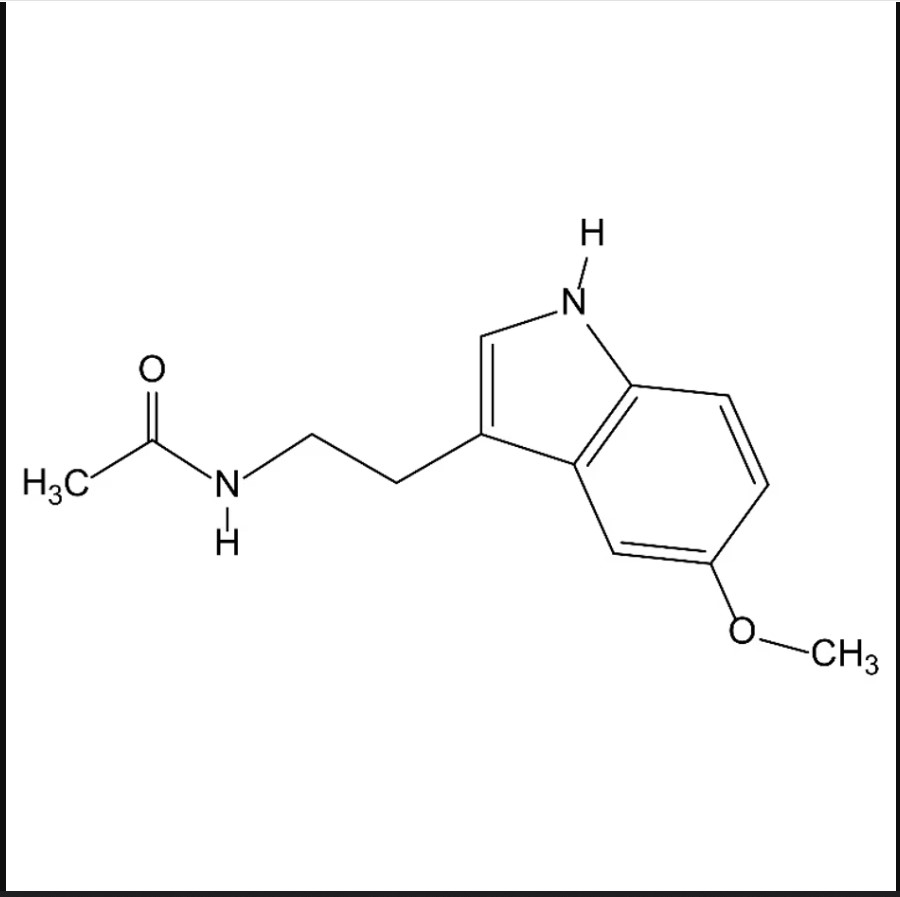
When a supplement brand specifies a grade for an ingredient, the letters after the product name carry real weight. USP grade is one of the most recognised designations in the ingredients world, and for melatonin it signals a material made and tested to a published standard. Buying USP-grade melatonin in bulk powder form is a common choice for brands that want documented quality and a specification they can rely on, but it helps to understand what the designation means before placing an order.
The letters USP stand for the United States Pharmacopeia, a body that publishes standards for the identity, strength, quality and purity of medicines and dietary supplement ingredients. A material described as USP grade is one that meets the relevant published standard, known as a monograph, for that ingredient. The monograph sets out the tests that should be performed and the limits the results should fall within. For a buyer, the practical meaning is straightforward: the material has been tested against a recognised public standard, not only against a supplier’s own internal specification.
What the Grade Means in Practice
A USP-grade material is not automatically better for every product, and buyers should think about whether the grade matches their needs. For a brand selling in a market that recognises USP standards, or for a product where customers and retailers ask about testing, the designation can be a genuine advantage. For a brand selling in a market with different requirements, the grade may matter less than the supplier’s own specification and documentation. The right question is not whether USP grade is good in the abstract, but whether it fits the product, the market and the price the brand can accept. Bulk powder is the usual format for this grade of melatonin. The material is supplied as a fine white powder in sealed, light-resistant containers, and buyers typically order in kilograms, starting with a trial quantity and moving to larger orders as production grows. Because the amounts used in a finished formula are small, accurate weighing and even blending are essential, and many manufacturers use premixes or dilution steps to make handling easier. A sample lets a buyer confirm that the powder flows well and suits the intended format, whether that is a capsule, a tablet, a gummy or a drink powder.
Sourcing and Checking a Batch
When a buyer is ready to compare suppliers, a USP Grade Melatonin Bulk Powder listing is a useful reference point. The listing shows the product and its grade, and from there a buyer can request the full specification and a certificate of analysis for the current batch. The certificate should show the tests performed, including identity and purity, with results inside the limits stated in the specification. Comparing the same details across suppliers gives a much clearer picture than comparing headline prices alone.
Testing should be checked as carefully as the result. Buyers should ask which test methods are used, whether the laboratory is independent and how often the methods are verified. A certificate of analysis is only as reliable as the testing behind it, and a supplier who can explain its methods clearly is usually a supplier worth working with. It is also worth asking how the material is produced and what controls keep each batch consistent, since a published standard is only meaningful when the production behind it is controlled.
Regulations and Labelling
Regulations for melatonin differ between markets, and buyers should check the rules in their own country before ordering. In some markets melatonin is sold as a dietary supplement, in others it is a licensed medicine, and in some it is not permitted in supplements at all. Labelling requirements and any maximum levels also vary, so a buyer should confirm the position with a regulatory adviser rather than assuming that what is sold in one country can be sold in another. Finished products should carry appropriate labelling, and consumers should be advised to consult a healthcare professional before use.
Storage and handling complete the picture. USP-grade melatonin powder should be stored in a cool, dry place, away from direct light, in its original sealed packaging until it is needed. Retained samples from each batch, kept under the same conditions, are useful if a question about quality arises later, and batch records should link the raw material to the finished product. Buyers should confirm the recommended storage conditions and shelf life with the supplier and make sure their own warehouse can meet them.
Finally, a bulk purchase is the start of a relationship, not a one-off transaction. The best suppliers stay in contact, warn buyers when production is delayed and help with technical questions as a product develops. A supplier who treats a new buyer seriously at a small quantity is likely to be just as reliable at a larger one, and that reliability is worth a great deal when a product depends on a carefully controlled ingredient.
Frequently Asked Questions
1. What does USP grade mean?
It means the material meets the published standard, or monograph, set by the United States Pharmacopeia for that ingredient, covering identity, strength, quality and purity.
2. Is USP-grade melatonin right for every product?
Not necessarily. It suits brands that value a recognised public standard, but buyers should check whether the grade fits their product, market and budget.
3. What should a buyer ask for before ordering?
The full product specification, a certificate of analysis for the batch, and information about the test methods and the supplier’s quality system.
Conclusion
USP-grade melatonin in bulk powder form gives brands a material tested against a recognised public standard, with documentation to support it. The grade is only as useful as the specification and testing behind it, so buyers should read the paperwork carefully and compare suppliers on documentation rather than price alone. With the right supplier and clear records in place, bulk sourcing at this grade becomes a dependable part of product development.