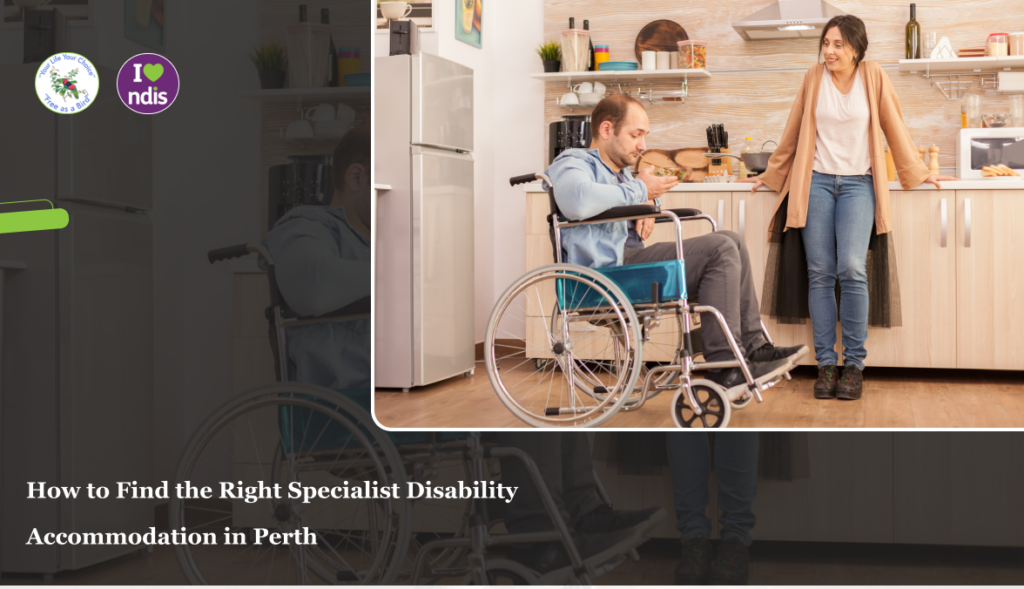
Choosing the right Disability Accommodation is an important step towards living a safe, comfortable, and independent life. For many people with disabilities, finding suitable housing is about much more than having a roof over their heads—it’s about accessing an environment that supports their daily needs, personal goals, and overall wellbeing.
The National Disability Insurance Scheme (NDIS) offers several accommodation options to help eligible participants live more independently while receiving the right level of support. However, understanding these options can be confusing, especially if you’re new to the NDIS or exploring accommodation for the first time.
This guide explains the different types of Disability Accommodation available under the NDIS, who they are designed for, how to choose the right option, and how Admire Care can help you find a home that meets your unique needs.
What is Disability Accommodation?
Disability Accommodation refers to housing designed or adapted to support people living with disabilities. Depending on individual needs, it may include accessible features, specialised equipment, or on-site support services that help participants live as independently as possible.
The goal of disability accommodation is to provide:
- A safe and accessible home
- Greater independence
- Improved quality of life
- Access to appropriate support services
- Opportunities for community participation
Not every participant requires the same type of accommodation, which is why the NDIS offers multiple housing options tailored to different levels of support.
Why Choosing the Right Disability Accommodation Matters
Your living environment has a significant impact on your physical health, emotional wellbeing, and ability to achieve your goals.
The right Disability Accommodation can help you:
- Perform everyday tasks more independently
- Improve your safety at home
- Build confidence and life skills
- Stay connected with your local community
- Access healthcare and support services more easily
- Enhance your overall quality of life
Selecting accommodation that matches your needs today while considering your future requirements is essential for long-term success.
Understanding the Different Types of NDIS Disability Accommodation
The NDIS offers several accommodation and housing support options. Each serves a different purpose depending on the participant’s needs.
1. Specialist Disability Accommodation (SDA)
Specialist Disability Accommodation (SDA) is designed for participants with very high support needs or significant functional impairments.
These homes are purpose-built with advanced accessibility features, including:
- Wheelchair-accessible layouts
- Ceiling hoists
- Adjustable kitchens
- Wide doorways and hallways
- Smart home technology
- Accessible bathrooms
- Emergency response systems
SDA is only available to eligible participants whose NDIS plans include SDA funding.
Who is SDA suitable for?
SDA is ideal for individuals who require specialised housing because standard homes cannot adequately meet their disability-related needs.
- Supported Independent Living (SIL)
Supported Independent Living (SIL) provides daily support services that help participants live independently within their chosen accommodation.
Support workers may assist with:
- Personal care
- Meal preparation
- Household cleaning
- Laundry
- Medication management
- Shopping
- Daily routines
- Community participation
SIL focuses on building independence rather than completing tasks for participants.
Who is SIL suitable for?
Participants who need ongoing assistance with everyday activities while maintaining as much independence as possible.
- Individual Living Options (ILO)
Individual Living Options (ILO) offer flexible living arrangements tailored to the participant’s lifestyle, preferences, and support network.
Participants may choose to:
- Live alone
- Live with friends
- Live with family
- Live with a host
- Share accommodation
- Combine formal and informal supports
ILO provides greater flexibility compared to traditional accommodation models.
Who is ILO suitable for?
Participants seeking personalised living arrangements that support independence and personal choice.
- Short-Term Accommodation (STA)
Short-Term Accommodation provides temporary housing and support for participants who require short-term care.
STA may be used for:
- Respite care
- Emergency accommodation
- Trial accommodation
- Recovery after hospital stays
- Carer breaks
STA also allows participants to experience different living environments before making long-term decisions.
- Medium-Term Accommodation (MTA)
Medium-Term Accommodation offers temporary housing while participants wait for permanent accommodation to become available.
This option is commonly used when:
- Waiting for Specialist Disability Accommodation to be completed
- Home modifications are underway
- Permanent housing is unavailable
MTA ensures participants continue receiving appropriate support during transition periods.
How to Decide Which Disability Accommodation is Right for You
Choosing the most suitable Disability Accommodation depends on several factors.
Your Support Needs
Consider the level of assistance you require each day.
Ask yourself:
- Do I need support 24 hours a day?
- Can I manage some daily activities independently?
- Do I require specialised equipment?
Understanding your needs will help identify the most appropriate accommodation option.
Accessibility Requirements
Your home should support your mobility and independence.
Look for features such as:
- Step-free access
- Wide hallways
- Accessible bathrooms
- Adjustable kitchen facilities
- Non-slip flooring
- Emergency call systems
These features can significantly improve safety and comfort.
Location
Choose accommodation close to:
- Medical services
- Public transport
- Shopping centres
- Community facilities
- Employment opportunities
- Family and friends
Remaining connected to your community contributes to better wellbeing and greater independence.
Lifestyle Preferences
Think about how you want to live.
Would you prefer:
- Living independently?
- Sharing a home with others?
- Living close to family?
- Access to social activities?
Selecting accommodation that aligns with your lifestyle supports long-term satisfaction.
Future Needs
Your circumstances may change over time.
Choose accommodation that can adapt to:
- Increased support needs
- New assistive technology
- Mobility changes
- Lifestyle changes
Planning ahead reduces the need for future relocations.
Questions to Ask Before Choosing Disability Accommodation
Before making a decision, ask accommodation providers:
- What support services are included?
- Is support available 24 hours?
- What accessibility features does the property offer?
- Can I personalise my room?
- How are emergencies managed?
- Are visitors welcome?
- What community programs are available?
- Can my support plan change if my needs change?
- How is maintenance handled?
Gathering detailed information helps you compare options with confidence.
Common Mistakes to Avoid
When searching for Disability Accommodation, avoid these common mistakes:
Choosing Based Only on Location
Convenience matters, but accessibility and support quality are equally important.
Not Planning for the Future
Think beyond your current needs when selecting accommodation.
Ignoring Accessibility
Even if you don’t currently need specialised features, future mobility changes may make them valuable.
Rushing the Decision
Take time to inspect properties, ask questions, and compare providers.
Overlooking Support Quality
Experienced and compassionate support workers play a vital role in successful independent living.
Benefits of Choosing the Right Disability Accommodation
Selecting suitable accommodation offers many long-term advantages.
Greater Independence
Accessible housing enables participants to complete more daily tasks independently.
Improved Safety
Purpose-built homes reduce falls, injuries, and other safety risks.
Better Physical and Mental Wellbeing
Comfortable living environments contribute to improved health and emotional wellbeing.
Enhanced Community Participation
Living close to community services encourages social interaction and inclusion.
Increased Confidence
Participants often gain confidence as they develop life skills and achieve personal goals.
How Admire Care Supports Your Accommodation Journey
At Admire Care, we believe every participant deserves a home that supports independence, comfort, and dignity.
Our experienced team works closely with participants, families, and support coordinators to understand individual goals and identify accommodation options that meet both current and future needs.
Our services include:
- Accommodation planning
- Exploring housing options
- NDIS guidance
- Support coordination
- Transition assistance
- Ongoing participant support
- Encouraging independence and choice
We focus on helping participants find homes where they feel safe, valued, and empowered to live life on their own terms.
Tips for Making the Right Choice
When exploring Disability Accommodation, remember to:
- Understand your NDIS funding.
- Clearly identify your support needs.
- Visit multiple properties.
- Compare accommodation providers.
- Consider future requirements.
- Ask detailed questions.
- Involve trusted family members or support coordinators.
- Prioritise accessibility and safety.
- Choose a provider that respects your choices.
Understanding your options for Disability Accommodation is the first step towards finding a home that supports your independence and wellbeing. Whether you require Specialist Disability Accommodation, Supported Independent Living, Individual Living Options, or temporary housing, the NDIS provides flexible solutions to meet a wide range of needs.
The best accommodation is one that not only meets your current requirements but also supports your future goals. By taking the time to understand your options and working with a trusted provider, you can make an informed decision that enhances your quality of life.
At Admire Care, we’re committed to helping participants navigate the NDIS accommodation process with confidence. Our team is here to provide guidance, personalised support, and practical solutions to help you find the right home for your journey towards greater independence.
Frequently Asked Questions (FAQs)
1. What is Disability Accommodation under the NDIS?
Disability Accommodation refers to housing designed or adapted to support people with disabilities by providing accessible living environments and, where required, support services that promote independence.
2. What is the difference between SDA and SIL?
Specialist Disability Accommodation (SDA) refers to the physical home designed for people with very high support needs, while Supported Independent Living (SIL) provides the day-to-day support services that help participants live independently.
3. Can I choose where I live?
Yes. The NDIS promotes participant choice and control, allowing eligible participants to choose accommodation that aligns with their goals, preferences, and support needs.
4. How do I know which accommodation option is right for me?
The right choice depends on your disability, support needs, lifestyle preferences, and NDIS funding. Speaking with an experienced provider or support coordinator can help you explore the best options.
5. How can Admire Care help with Disability Accommodation?
Admire Care helps participants understand their accommodation options, explore suitable housing, coordinate supports, and transition into safe, accessible homes that encourage independence and improve quality of life.