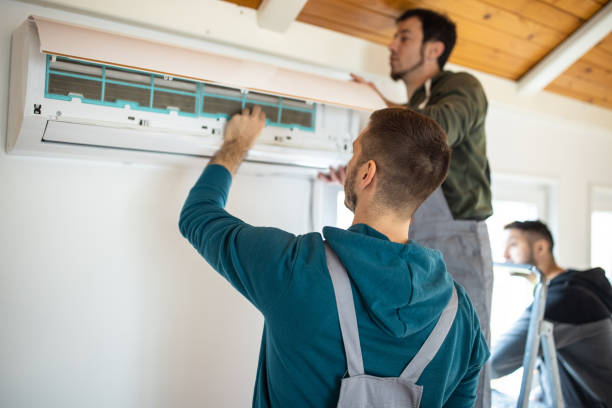
Choosing an air conditioning system isn’t always as simple as picking the biggest unit or going with whatever your neighbour has. Homes are different, layouts are different, and honestly, some cooling setups just don’t make sense for certain properties. If you’re looking at Air Conditioning in Coolangatta, the choice often comes down to two popular options: central air conditioning or ductless mini-splits. Both can cool a home well, but they work in very different ways. Before spending a decent chunk of money on installation, it’s worth understanding where each system actually fits.
How Central Air Conditioning Works
Central air is the more traditional whole-home approach. A single outdoor condenser works with an indoor air handler, sending cooled air through a network of ducts to different rooms. When the system is designed properly, you get fairly even cooling throughout the house without needing a separate wall-mounted indoor unit in every room. That’s a big reason central systems remain popular in larger homes. The catch? You need ductwork, and that ductwork needs somewhere to go. If your home already has suitable ducts, installation can be much more straightforward. If it doesn’t, things get messier and more expensive, especially in an existing home where walls and ceilings are already finished.
Where Ductless Mini-Splits Make More Sense
Ductless systems take a different route. Instead of pushing air through ducts, they use individual indoor units connected to an outdoor compressor. You might have one unit in the living area and another in a bedroom or other frequently used space. Each zone can usually be controlled separately, which is handy if everyone in the house seems to have a different idea of what “comfortable” means. Mini-splits are also useful for homes, extensions, granny flats, renovated spaces, or rooms where installing ductwork would be a nightmare. You’re not tearing half the ceiling apart just to get a cooling vent into one room. That has some real appeal.
Think About Your Home Layout First
The size and layout of your property should have a lot to do with the decision. A larger, open-plan home with several connected living spaces may work nicely with a properly sized central system. You get one main system serving the property rather than several indoor units sitting on the walls. But a home with separate rooms, additions, or spaces that aren’t used all day can benefit from zoning. Ductless mini-splits let you cool specific areas instead of constantly conditioning the whole house. And that matters. Why pay to cool three empty bedrooms when you’re sitting in the lounge watching TV?
Installation Can Change the Whole Equation
This is where people sometimes get caught out. They compare the price of the equipment and think they’ve got the answer. Not quite. Installation requirements can change the final cost considerably. Central air may require duct installation, electrical work, access through ceilings or walls, drainage and other modifications. Existing ductwork also needs checking because old, damaged or poorly designed ducts can waste a surprising amount of cooled air. Mini-splits generally need less invasive installation, but there are still refrigerant lines, electrical connections, condensate drainage and indoor units to position correctly. A quick installation isn’t automatically a good installation, either.
Energy Use and Everyday Comfort
Energy efficiency depends on the equipment, sizing, insulation, usage and plenty of other factors, so there isn’t a universal winner here. A modern central system can perform efficiently when it is correctly sized and the ductwork is properly sealed. Ductless systems can be efficient too, particularly when you use their zoning capability sensibly. Instead of cooling every room equally, you can focus on the spaces you’re actually using. That can help reduce unnecessary energy consumption. On the comfort side, central air gives that familiar, whole-home feel. Mini-splits give you more individual control. Neither approach is magic. Good design still matters more than fancy advertising claims.
Maintenance Is Part of the Deal
Whichever system you choose, there’s maintenance involved. Central air conditioning means keeping filters, coils, ducts and other components in decent condition. Dirty filters can restrict airflow, while neglected ductwork can create its own problems. Mini-splits need their indoor filters and coils cleaned as well, along with routine checks of the outdoor unit and refrigerant system. One thing people sometimes forget is that ductless indoor units are visible inside the room, so keeping them clean isn’t only about performance. They can get dusty and grimy over time. A system that looks after itself forever would be nice. Sadly, that one hasn’t been invented yet.
Choosing the Right Installer Matters
Whatever system you choose, don’t make the installer an afterthought. Poor sizing or sloppy installation can leave you with uneven cooling, higher running costs and equipment that works harder than it should. Ask what size system is actually being recommended and why. Find out what installation work is included, too, rather than assuming the quote covers everything. If you’re comparing local options, speaking with experienced ac installers in Chinderah can also give you a better idea of what will suit the property rather than simply choosing equipment from a catalogue. A decent installer should look at the house first, not just ask you how many bedrooms you have and start punching numbers into a calculator.
So, Which System Fits Your Home?
There’s no single answer that works for every property. Central air can be a practical choice when you want whole-home cooling and already have suitable ductwork, particularly in a larger home. Ductless mini-splits can be a better fit where zoning, flexibility or easier installation matters more. Your existing layout, insulation, room usage, budget and long-term plans should all be part of the conversation. The cheapest quote isn’t necessarily the cheapest system to own, either. Look beyond the sticker price. The right air conditioning setup should cool the spaces you actually use, run without constantly struggling, and make sense for the house you have. That’s really the point.