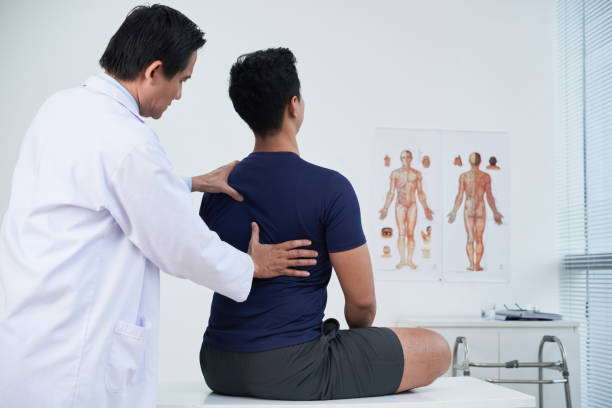
Doctor checking spine of a young man within the annual medical examination
The human spine is one of the most important structures in the body. It supports your weight, allows you to move freely, and protects the spinal cord, which carries messages between the brain and the rest of the body. While many people think of the spine as a straight column, it naturally has gentle curves. These curves are essential for maintaining balance, absorbing shocks, and helping us move without strain.
However, not all curves are healthy. Sometimes the spine develops abnormal curves, which can cause pain, limit mobility, and affect overall health. These changes in spine curvature can happen due to genetics, injuries, lifestyle habits, or underlying medical conditions. Understanding how the spine works and how chiropractic treatment can help is important for maintaining long-term health.
In this article, we will explore the different types of spine curvature, their causes and symptoms, and the ways chiropractic care can support spinal health.
How the Spine is Structured
The spine is made up of 33 bones called vertebrae. These vertebrae are divided into five regions: the neck (cervical), upper back (thoracic), lower back (lumbar), sacrum, and tailbone (coccyx). When viewed from the side, the healthy spine has three natural curves:
- The cervical curve in the neck, which curves inward.
- The thoracic curve in the upper back, which curves outward.
- The lumbar curve in the lower back, which curves inward again.
These curves help distribute weight, provide flexibility, and allow the body to move efficiently. They also help maintain posture and balance. When the spine curves abnormally, it can cause pain, stiffness, and other complications.
Common Types of Spine Curvature
Abnormal spine curvature can take several forms, each affecting the spine in a different way.
Scoliosis
Scoliosis is a sideways curve of the spine that can look like an “S” or “C” shape. Mild cases may not cause noticeable symptoms, but severe scoliosis can lead to:
- Uneven shoulders or hips
- Chronic back pain
- Limited mobility
- Difficulty breathing in severe cases
Scoliosis often develops during childhood or adolescence, though it can also be present from birth or result from other medical conditions.
Kyphosis
Kyphosis occurs when the upper back curves outward more than normal, creating a hunched appearance. It can happen because of poor posture, spinal fractures, osteoporosis, or age-related changes. People with kyphosis may experience back stiffness, discomfort, and in severe cases, difficulty breathing.
Lordosis
Lordosis is an excessive inward curve of the lower back, sometimes referred to as swayback. It can be caused by weak abdominal muscles, obesity, or spinal conditions. Severe lordosis can lead to back pain, nerve compression, and reduced flexibility.
Causes of Abnormal Spine Curvature
There are several reasons why the spine may develop abnormal curves. Some of the most common causes include:
- Genetic factors, which can make certain individuals more likely to develop conditions like scoliosis
- Poor posture, especially over long periods of sitting or standing incorrectly
- Injuries or accidents that damage the spine
- Degenerative diseases such as arthritis or disc problems
- Nutritional deficiencies that weaken bones
- Lifestyle factors, including lack of exercise or weak core muscles
Understanding these causes can help prevent worsening of the condition and support early intervention.
Signs and Symptoms
The symptoms of abnormal spine curvature can vary depending on the type and severity. Some of the signs to watch for include:
- Visible changes in posture, such as uneven shoulders, tilted hips, or a hunchback
- Chronic back or neck pain
- Muscle fatigue or tension
- Difficulty moving or bending
- Tingling, numbness, or weakness in the arms or legs
Early detection is key. Regular checkups and awareness of your posture and spinal health can help catch problems before they become severe.
How Spine Curvature is Diagnosed
Doctors and healthcare providers use several methods to diagnose abnormal spine curvature. These include:
- Physical examination to check posture and alignment
- Imaging tests such as X-rays or MRI to view the spine in detail
- Functional assessment to see how the curvature affects movement and daily activities
- Reviewing medical history for family patterns, injuries, or existing conditions
An accurate diagnosis is essential to create a proper treatment plan.
Chiropractic Treatment for Spine Curvature
Chiropractic care focuses on improving spinal health through non-invasive methods. Chiropractors aim to reduce pain, correct misalignments, and improve overall function. For people with abnormal spine curvature, chiropractic treatment can be highly beneficial.
Spinal adjustments are a core part of treatment. Chiropractors use careful, controlled movements to realign the vertebrae. These adjustments can help relieve pain, reduce inflammation, improve mobility, and allow the nervous system to function better.
Posture correction is another important aspect of care. Poor posture can make spine curvature worse, so chiropractors often provide advice on proper posture during daily activities. They may also recommend exercises to strengthen the back, core, and pelvic muscles.
Chiropractic treatment also often includes lifestyle guidance. Maintaining a healthy weight, practicing proper lifting techniques, and staying active can all support spinal health. Some chiropractors may also use therapies like heat, cold, or gentle massage to reduce muscle tension and discomfort.
Benefits of Chiropractic Care
Chiropractic treatment offers several advantages for people with spine curvature. It is non-invasive, avoids surgery, and can reduce the need for medication. It helps improve mobility, posture, and overall function. By addressing misalignment early, chiropractic care can prevent the spine from curving further and reduce long-term complications. Patients often report less pain, better flexibility, and an improved quality of life.
When to Seek Professional Help
It is important to see a professional if you notice any of the following:
- Persistent or worsening back or neck pain
- Visible changes in posture
- Limited ability to move or perform daily activities
- Tingling, numbness, or weakness in arms or legs
- Trouble breathing or discomfort in severe spinal deformities
Early consultation allows for better management and more effective treatment.
Preventing Abnormal Spine Curvature
There are several steps you can take to help prevent worsening of spine curvature:
- Exercise regularly to strengthen the back and core muscles
- Maintain good posture while sitting, standing, and walking
- Use ergonomic furniture and avoid prolonged slouching
- Maintain a healthy weight to reduce stress on the spine
- Practice safe lifting techniques
- Schedule regular spinal checkups
These habits support the natural curves of the spine and contribute to long-term spinal health.
Conclusion
Understanding spine curvature is essential for recognizing potential spinal issues and seeking proper care. Abnormal curves, whether from scoliosis, kyphosis, or lordosis, can cause pain, limit movement, and impact quality of life. Chiropractic care provides a safe and effective approach to managing spine curvature, offering spinal adjustments, posture correction, therapeutic exercises, and lifestyle guidance.
For anyone experiencing symptoms or concerned about their spinal health, consulting a professional is the first step. SF Custom Chiropractic offers comprehensive care focused on improving spinal alignment and overall wellness, helping patients live comfortably and move freely.
With proper attention and care, you can maintain a healthy spine, prevent further issues, and enjoy better mobility and quality of life.