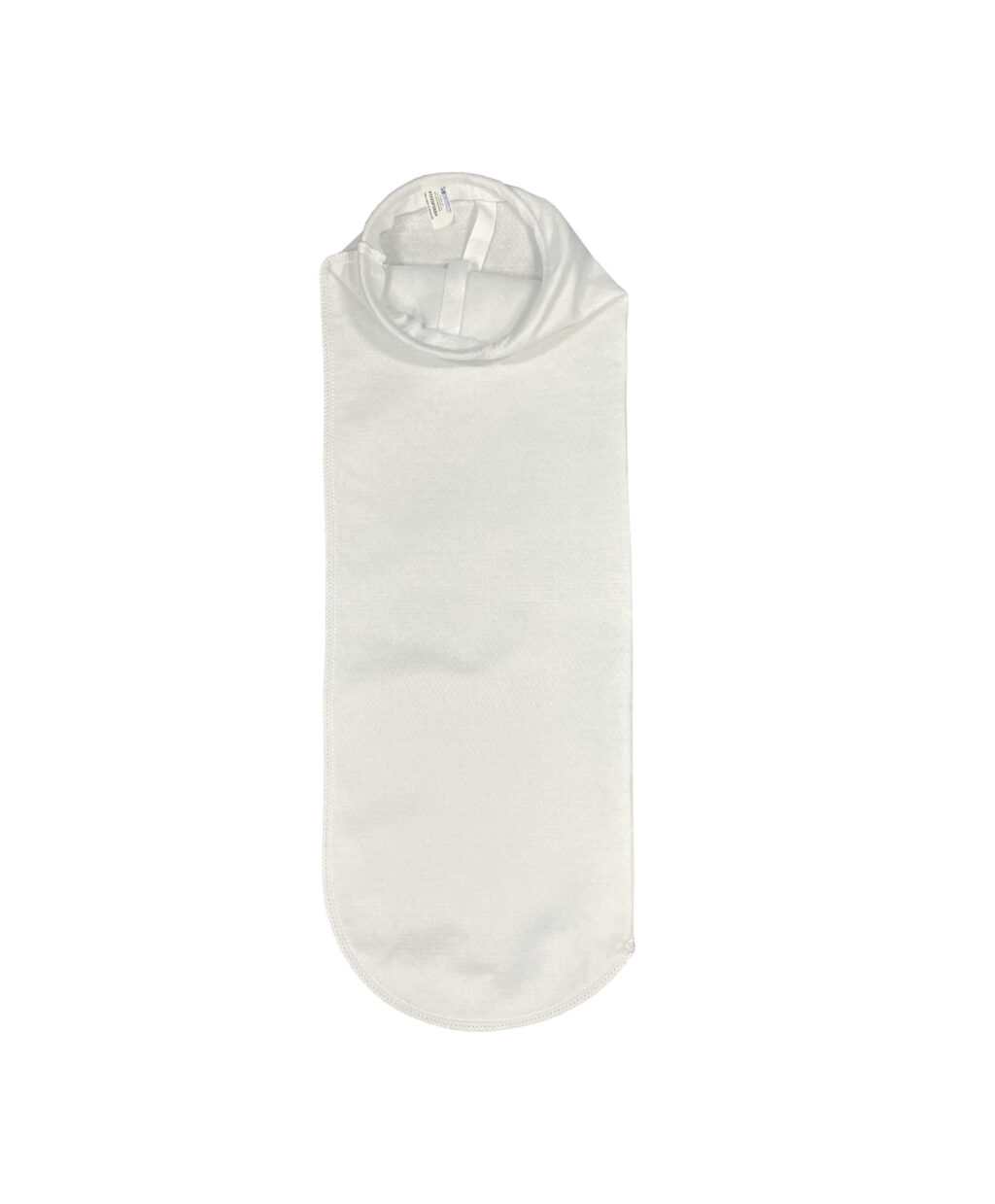
A QA manager at a pharma plant once told me their whole batch release process hinges on one filter cartridge nobody outside the facility ever thinks about. That stuck with me. Most people picture pills and packaging when they think about drug manufacturing, not filtration hardware sitting quietly in a process line. But a teflon cartridge filter is doing serious work in both pharma and food plants, and honestly, it doesn’t get nearly enough credit for how much rides on it.
Why Purity Requirements Push Plants Toward Teflon
Pharmaceutical production runs on purity limits that would sound paranoid in most other industries. Trace contamination, even at parts-per-billion levels, can void an entire batch. A teflon filter cartridge handles this because PTFE doesn’t shed particles or leach chemicals into whatever’s passing through it, unlike some cheaper filter media that can degrade under repeated sterilization cycles. Food plants deal with a similar, if slightly less extreme, version of this problem, and Teflon filtration ends up being the practical answer there too.
Sterilization Cycles Are Brutal on Ordinary Filter Media
Pharma and food facilities both sterilize equipment constantly, steam, autoclave, chemical wash, sometimes all three depending on the product line. Regular filter cartridges break down under that kind of repeated stress, losing structural integrity or shedding fibers into the product stream. Teflon cartridge filters hold up considerably better, tolerating high heat and aggressive cleaning agents without falling apart after a few dozen cycles. That durability translates directly into fewer changeouts and, honestly, fewer contamination scares nobody wants to deal with.
Chemical Resistance Where It Actually Matters
Pharmaceutical manufacturing involves solvents and reactive chemicals that would chew through standard filter materials pretty quickly. PTFE’s chemical inertness means a teflon cartridge filter can sit in contact with aggressive process fluids for extended periods without degrading or contaminating the product. Food processing uses fewer harsh chemicals generally, but still deals with acidic sauces, high-fat oils, and cleaning solutions that benefit from the same resistance. It’s one material solving two industries’ overlapping problems, more or less.
Filtering Water Systems in Both Industries
Ultra-pure water is non-negotiable in pharmaceutical manufacturing, used in everything from formulation to final rinse steps before packaging. Teflon cartridge filters show up heavily in these water polishing stages because they capture fine particulate without introducing anything of their own into the stream. Food and beverage plants rely on similarly clean water for products where taste and safety both depend on it, syrups, sauces, bottled beverages, and PTFE filtration handles that need just as reliably.
Where Dust Collector Filter Systems Come Into the Picture
Filtration in these plants isn’t only about liquids. Powder handling, ingredient blending, and tablet production all generate airborne particulate that needs capturing before it becomes a contamination or safety issue. That’s where a dust collector filter setup runs alongside liquid filtration, catching fine powders in pharma production or flour and starch dust in food plants. The two systems solve different problems, sure, but they’re both protecting the same thing, product integrity and worker safety on the floor.
Compliance Standards Driving Filter Selection
FDA regulations and similar international standards don’t leave much room for guessing when it comes to filtration materials. Teflon cartridge filters meet compliance requirements partly because PTFE is well documented as inert and non-reactive across a huge range of process conditions. Facilities choosing filtration equipment for regulated production lines lean toward Teflon specifically because it simplifies validation, there’s less risk of an auditor flagging contamination concerns tied to the filter material itself later during inspection.
Extended Service Life Reduces Contamination Risk
Every filter changeout in a regulated facility carries some risk, a chance for contamination to sneak in during the swap, a chance for human error. Teflon cartridge filters last longer than a lot of alternatives under the same operating conditions, which means fewer changeouts and fewer opportunities for something to go wrong during that process. Facilities running validated production lines particularly value this, since every changeout often requires documentation and sometimes revalidation depending on the specific regulatory framework involved.
Cost Considerations Despite the Higher Price Tag
Teflon cartridge filters cost more upfront than standard polypropylene or cellulose options, there’s no way around that fact. But extended service life, reduced contamination risk, and fewer compliance headaches usually offset that cost pretty quickly in regulated industries where a single contamination event can mean scrapping an entire batch. Plants that calculate total cost of ownership instead of just sticker price almost always land on Teflon for their most sensitive filtration points, even if cheaper media gets used elsewhere.
Where Facilities Sometimes Get Filtration Strategy Wrong
Not every filtration point in a pharma or food plant needs the highest grade Teflon cartridge available, and some facilities overspend by defaulting to premium filtration everywhere out of caution. Matching filter grade to actual risk level, critical process steps versus general utility filtration, matters more than blanket policies. Pairing that with proper dust collector filter maintenance on the air handling side rounds out a filtration strategy that’s thorough without wasting money on unnecessary overkill in lower-risk areas.
Working With a Filtration Specialist for Regulated Environments
Getting filtration right in a regulated facility isn’t something to guess at, the stakes are too high and the documentation requirements too specific. A filtration specialist familiar with pharmaceutical or food-grade applications can help identify exactly where Teflon cartridge filters make sense versus where standard media suffices, saving money without cutting corners on compliance. This kind of guidance matters even more during facility expansions or line changes, when filtration needs shift and old assumptions might not hold anymore.
Conclusion
Teflon cartridge filters aren’t the most visible piece of equipment in a pharmaceutical or food processing plant, but they’re carrying a lot of weight when it comes to product purity and regulatory compliance. Pair that liquid filtration with solid dust collector filter maintenance on the air handling side, and you’ve got a facility genuinely covering its bases instead of hoping nothing slips through. It’s not cheap, and it’s not glamorous, but in these industries, it’s the kind of investment that quietly prevents a very expensive problem.