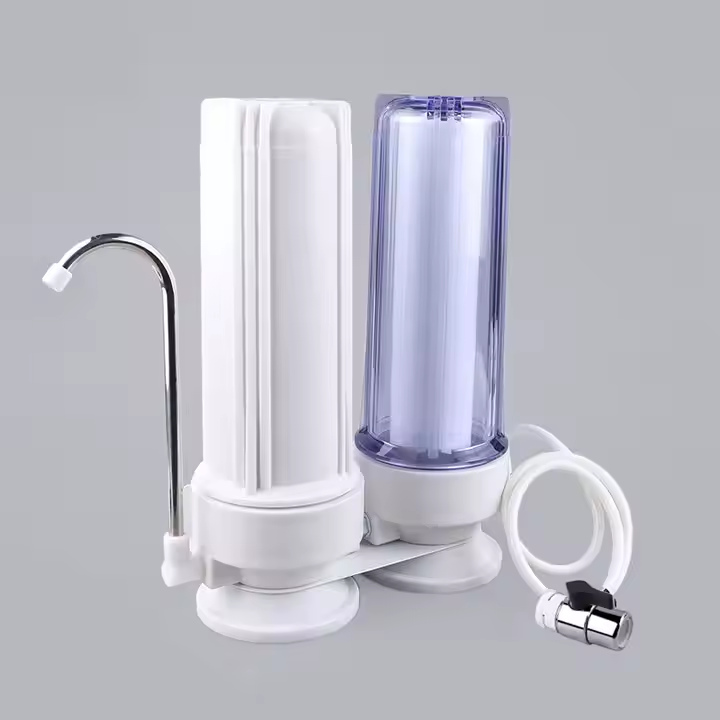
Access to clean water within a household is essential for promoting health and preventing illness. A house water purifier is designed to enhance water quality by eliminating impurities that may be present in tap or well water. A water filter for home addresses concerns related to contaminants, ensuring that water used for drinking, cooking, and other activities is free from harmful substances. By employing advanced filtration technologies, water purifiers help maintain a reliable and safe water supply in domestic settings.
Understanding Water Contaminants
Water can contain a wide range of contaminants originating from natural and human-made sources. Microorganisms like bacteria and viruses are common in untreated water, posing significant health risks. Chemical pollutants, such as pesticides, fertilisers, and industrial waste, often enter water supplies through agricultural runoff and industrial discharge. Heavy metals, including lead and mercury, may leach into water from corroded pipes or soil contamination.
Additionally, sediments and organic matter can affect water clarity and taste. Certain regions also experience high levels of dissolved minerals, leading to hard water issues. The presence of such impurities can compromise water quality and safety, underscoring the importance of adequate filtration. Understanding the specific contaminants present in a water source helps in determining the most effective purification method, ensuring clean water for various household needs.
How House Water Purifiers Work
Household water purifiers operate through a combination of filtration methods to remove contaminants from the water supply. Physical filtration removes visible particles, such as dirt and sediment, using fine membranes or mesh. Chemical filtration uses activated carbon or other materials to absorb impurities, including chlorine and odours. Advanced methods, such as reverse osmosis, utilise a semipermeable membrane to filter dissolved solids, while ultraviolet light technology targets microorganisms, neutralising harmful bacteria and viruses.
Certain systems incorporate multiple purification stages to effectively address a broader range of contaminants. Pre-filters handle larger impurities, while post-filters enhance water taste and quality. Some purifiers also include specialised filters for heavy metals or specific pollutants. By employing these various mechanisms, water purifiers ensure a consistent supply of clean, safe water for household use.
Types of House Water Purifiers
House water purifiers are available in various types, each designed to address specific water quality issues. Activated carbon filters effectively remove chlorine, organic compounds, and certain odours, improving the overall taste. Reverse osmosis systems are known for eliminating dissolved salts, heavy metals, and other fine impurities through a semipermeable membrane. Ultraviolet (UV) purifiers are highly effective at neutralising bacteria, viruses, and other microorganisms, ensuring biological safety.
Multi-stage systems combine multiple purification methods to address a wider range of contaminants, providing comprehensive water treatment. Ceramic filters are often used to remove sediment, bacteria, and debris, particularly in areas with turbid water. Ion exchange systems help soften hard water by reducing its mineral content, particularly calcium and magnesium. The suitability of each type depends on the household’s water quality and the specific contaminants present.
Benefits of Using a Water Purifier for Home
Using a water purifier for home offers numerous advantages, primarily by ensuring access to cleaner, safer water. By effectively removing contaminants such as bacteria, chemicals, and heavy metals, these systems help reduce the risk of waterborne diseases. In addition to health benefits, purified water enhances the taste and quality of drinking water, making it suitable for everyday use, including cooking. Long-term use can lead to cost savings by reducing dependency on bottled water.
Furthermore, by decreasing the consumption of single-use plastic bottles, water purifiers contribute positively to environmental sustainability. The consistent availability of purified water supports overall household well-being, providing a reliable solution for water quality concerns across various domestic settings.
Installation and Maintenance of Water Purifiers
Proper installation of a house water purifier typically requires connection to the household water supply. Certain systems may necessitate professional assistance, especially if they involve complex configurations or multiple filtration stages. Ensuring correct installation is essential for optimal functionality.
Regular maintenance plays a crucial role in preserving the efficiency of water purifiers. This often includes timely replacement of filters, which is vital to prevent clogging and maintain purification quality. Some systems may also require occasional cleaning of internal components to avoid the build-up of impurities.
Adhering to the manufacturer’s maintenance guidelines ensures the purifier’s longevity and consistent delivery of clean water. Neglecting maintenance can compromise performance, making periodic checks an important aspect of ownership.
Evaluating Water Quality
Assessing the quality of household water is crucial for determining the necessity and type of purification system required. Water quality testing can identify contaminants such as heavy metals, bacteria, or excess minerals. Laboratory analysis provides precise results, while home testing kits offer a convenient way to measure parameters such as pH, hardness, and chlorine content.
Regional water reports from local authorities also provide valuable data on potential pollutants. Such evaluations ensure that the chosen purification system effectively addresses the specific impurities found in the water supply, safeguarding its safety for domestic use. Regular monitoring of water quality helps maintain consistent standards and allows adjustments to purification methods as conditions change over time.
Environmental Impact of Water Purifiers
The environmental impact of household water purifiers is influenced by factors such as energy consumption, filter waste, and production materials. Choosing energy-efficient systems can help reduce electricity use, particularly for models that incorporate advanced technologies such as UV or reverse osmosis.
Proper disposal of used filters is essential to prevent environmental pollution, as certain filters contain non-biodegradable materials. Some manufacturers focus on creating recyclable or reusable filter components to minimise waste.
Additionally, water purifiers can indirectly reduce environmental harm by reducing reliance on bottled water, thereby decreasing plastic production and waste. To further mitigate impact, adopting maintenance practices that prolong purifier lifespan and minimise resource consumption is beneficial, ensuring a sustainable approach to maintaining water quality.
Cost Considerations
The cost of a house water purifier depends on factors such as the type of system, filtration technology, and installation requirements. While advanced systems with multi-stage purification may entail a higher upfront cost, they often deliver long-term value by addressing diverse water quality concerns.
Maintenance costs, including filter replacements, should also be taken into account, as they vary between models. Budget-friendly options with essential filtration capabilities are available, making water purification accessible to households with varying financial considerations.
Additionally, investing in a reliable system can lead to savings over time by reducing reliance on bottled water. Weighing both upfront and ongoing costs ensures that the chosen purifier aligns with the household’s needs and offers an effective solution for safe water access.
Technological Advances in Water Purification
Recent technological advances in water purification have focused on improving efficiency and user convenience. Smart purification systems now incorporate sensors to monitor water quality in real-time, ensuring consistent performance. Some models feature automatic filter replacement alerts, helping maintain optimal functionality. Advanced filtration technologies, such as nanotechnology, have enabled the removal of even smaller impurities, including microscopic particles and pathogens.
Integration with the Internet of Things (IoT) enables seamless control and monitoring via mobile devices. These innovations not only enhance purification processes but also promote energy efficiency and sustainability. Compact designs and modular systems have made installation and maintenance more adaptable, catering to diverse household needs while improving the overall practicality of modern water purifiers.
Potential Health Benefits of Using House Water Filter
Using a house water filter can significantly improve health by reducing exposure to harmful contaminants often present in untreated or inadequately treated water. These systems are effective at removing bacteria, viruses, and chemical pollutants, which are linked to various waterborne illnesses.
Purified water, free from impurities, is essential for cooking, ensuring meals are prepared hygienically. It also supports better hydration by enhancing the taste and odour of water, encouraging regular consumption.
Clean water benefits skin health when used for bathing and washing, as it minimises contact with harsh minerals and chemicals. By delivering safe water for daily use, water purifiers play a vital role in supporting overall health and preventing potential risks associated with contaminated water sources.
Common Misconceptions
There are misconceptions about home water purifiers, including the belief that all purification methods yield identical results. Each system varies in its effectiveness depending on the contaminants it targets and the technology used. Another misunderstanding is that water from municipal supplies is entirely free from impurities, when in reality, it may contain residual chemicals, microorganisms, or contaminants introduced during distribution.
Some assume regular filter maintenance is unnecessary, which can compromise purifier performance over time. Additionally, there is often confusion about the difference between filtration and purification, as these processes address distinct water quality concerns with varying levels of thoroughness.
Future Trends in House Water Purifiers
Emerging trends in home water purifiers indicate a focus on sustainable, energy-efficient technologies. Innovations are anticipated to enhance filtration precision, targeting a broader spectrum of contaminants, including microplastics and emerging pollutants. Compact, modular designs are expected to improve adaptability across diverse home environments.
Smart features, such as advanced sensors and automated controls, are likely to become standard, promoting ease of use and maintenance. These advancements aim to provide more effective, environmentally friendly, and accessible solutions for improving household water quality.
Conclusion
A water filter for home plays a vital role in ensuring safe, clean, and healthy drinking water across Australia. By utilizing advanced multi-stage filtration technologies, such as reverse osmosis, activated carbon, and ultraviolet purification, these systems effectively remove harmful bacteria, chemical pollutants, heavy metals, and sediment. Beyond protecting household health and eliminating waterborne risks, water purifiers improve taste and odour for daily hydration and cooking. Investing in a reliable purification system offers significant long-term financial savings while drastically reducing single-use plastic waste. Regular maintenance and timely filter replacements guarantee consistent, optimal performance and sustainable, long-term water safety.
FAQs
What is the difference between water filtration and water purification?
Water filtration typically involves physical barriers like sediment or carbon filters to trap larger particles, chlorine, and sediment to improve taste. Water purification utilizes advanced methods like reverse osmosis or ultraviolet light to eliminate microscopic contaminants, dissolved heavy metals, viruses, and bacteria, providing a higher standard of water safety across Australia.
How often should I replace the filters in my water purifier for home?
Filter replacement schedules depend on water quality and usage, but most pre-filters and carbon cartridges require changing every six to twelve months. Reverse osmosis membranes typically last two to three years, while UV lamps need annual replacement. Adhering to manufacturer of water purifier for home guidelines ensures optimal filtration efficiency and prevents contaminant buildup.
Can a house water purifier remove fluoride and heavy metals?
Yes, specific purification systems, such as multi-stage reverse osmosis units, effectively remove heavy metals like lead, mercury, and copper, as well as fluoride and dissolved salts. Standard activated carbon filters reduce chlorine and organic compounds but may require specialized media or membranes to eliminate heavy metals completely.
Do I need a professional to install a house water purifier?
While simple countertop or tap-mounted filters offer straightforward DIY setup, comprehensive under-sink, reverse osmosis, or whole-house water purifiers generally require professional plumbing installation. Certified installers ensure correct connections to the main supply, prevent leaks, and configure drain lines and pressure valves according to Australian standards.
How does a house water purifier contribute to environmental sustainability?
House water purifiers significantly reduce reliance on single-use plastic bottles, minimizing plastic waste, manufacturing emissions, and transportation footprints. Additionally, choosing energy-efficient models and recyclable filter components further enhances environmental sustainability while ensuring a continuous supply of clean, pure drinking water directly from your home tap.
| Related Business Listings |
| Contact Directory |
| Local Business Profiles |