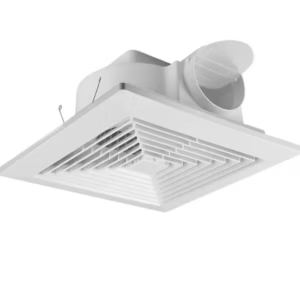
A heat recovery ventilator offers a practical solution for modern homes by enhancing energy efficiency and improving indoor air quality. Designed to transfer heat from outgoing stale air to incoming fresh air, it ensures a comfortable living environment while minimising energy wastage. This system is especially beneficial for well-insulated, airtight homes, where maintaining proper ventilation can be challenging without energy loss. By incorporating this innovative technology, households can benefit from balanced temperatures, reduced heating demands, and a healthier atmosphere. Heat-recovery ventilators contribute to sustainable living by effectively combining ventilation with energy conservation, making them an essential feature in contemporary home designs.
Understanding Heat-Recovery in Modern Homes
Heat-recovery is a process that plays a crucial role in enhancing the energy efficiency of modern homes. It involves the transfer of heat from stale, outgoing air to fresh, incoming air, ensuring that warmth is not wasted during ventilation. This system is particularly suited to homes that are well-insulated and airtight, where natural airflow is limited. By integrating heat-recovery, these homes can maintain a comfortable indoor environment without significant energy loss.
The process also supports consistent indoor temperatures and reduces reliance on heating systems. Furthermore, it minimises the introduction of cold air during ventilation, which can disrupt comfort levels. Heat-recovery systems contribute to energy conservation, making them an effective choice for households aiming to lower energy usage while maintaining a high standard of indoor air quality and overall living comfort.
How Ventilation Influences Indoor Comfort
Ventilation is integral to maintaining a comfortable and healthy indoor environment, as it facilitates the removal of stale air and pollutants while ensuring a steady flow of fresh air. This process helps regulate humidity levels, preventing excess moisture that can lead to dampness or mould, as well as overly dry conditions that may cause discomfort. Effective ventilation also contributes to temperature regulation, ensuring a stable indoor climate and reducing the strain on heating or cooling systems.
By continuously replacing indoor air with outdoor air, ventilation systems help to minimise the build-up of allergens, odours, and airborne contaminants. Additionally, balanced airflow promotes a more pleasant living atmosphere, as it supports overall air quality and creates a fresher, more inviting environment.
Residential Heat Recovery Ventilator for Balanced Airflow
A residential heat recovery ventilator serves as an essential system for maintaining an optimal indoor climate. By facilitating a controlled exchange of indoor and outdoor air, it prevents the accumulation of stale air and excess humidity, both of which can negatively impact comfort and health. Its ability to transfer heat between outgoing and incoming air ensures energy efficiency, reducing the dependency on traditional heating systems. This feature is particularly advantageous in well-insulated homes, where natural ventilation may be limited.
Furthermore, it enhances the consistency of indoor air distribution, ensuring that every room benefits from balanced airflow and comfortable temperatures. This system not only supports the overall health of residents by improving air quality but also creates a more stable and efficient living environment by regulating airflow and retaining heat during ventilation.
Reducing Indoor Heat Loss through Better Ventilation
Effective ventilation plays a pivotal role in minimising indoor heat loss by ensuring a balance between fresh air supply and energy retention. Traditional ventilation methods often result in the loss of warm air, which can lead to increased energy consumption as heating systems work harder to compensate. By incorporating a heat-recovery ventilator, it becomes possible to capture warmth from outgoing air and transfer it to incoming fresh air.
This innovative process not only conserves energy but also maintains a more stable indoor climate, eliminating cold draughts. The controlled exchange of air ensures consistent warmth without the inefficiencies associated with traditional ventilation systems. Additionally, by reducing reliance on primary heating, it promotes energy conservation and enhances overall home efficiency, creating a more sustainable and comfortable living environment.
Air Recovery System for Improved Household Efficiency
An air recovery system is designed to enhance household efficiency by ensuring optimal ventilation and energy management. By recovering heat from outgoing stale air and transferring it to incoming fresh air, these systems minimise the need for additional heating, thus reducing energy consumption. This process supports a stable indoor temperature, eliminating the fluctuations often caused by traditional ventilation methods.
An air recovery system helps to maintain indoor air quality by providing a continuous supply of fresh air while expelling pollutants and excess moisture. Its ability to balance energy use with ventilation makes it a practical solution for modern homes, especially in climates with significant temperature variations. By integrating such a system, households can achieve greater energy efficiency, reduce utility costs, and create a more sustainable and comfortable living environment.
Supporting Consistent Temperatures throughout the Home
A heat-recovery ventilator plays a significant role in maintaining consistent temperatures within a home by facilitating efficient heat exchange during ventilation. This system prevents uneven temperature distribution by transferring warmth from outgoing stale air to incoming fresh air, reducing the occurrence of cold spots or draughts. As a result, every room benefits from a more stable and comfortable climate. This balanced temperature regulation also lessens the strain on heating systems, as the retained heat reduces the need for additional energy.
By promoting even heat distribution and maintaining a steady indoor environment, this technology enhances overall comfort without excessive energy expenditure. Furthermore, consistent temperatures contribute to a healthier living atmosphere, as the absence of fluctuating conditions helps to reduce moisture-related problems, such as dampness, while improving energy efficiency throughout the household.
Choosing To Buy Heat Recovery Ventilator for Long-Term Savings
For households looking to buy heat recovery ventilator options, investing in a heat-recovery ventilator can offer substantial long-term financial benefits by enhancing a home’s energy efficiency. These systems minimise heating requirements by capturing heat from outgoing air and transferring it to incoming fresh air, effectively reducing energy consumption. This efficient process not only lowers utility costs but also decreases wear and tear on heating systems, potentially extending their lifespan.
Furthermore, improved ventilation contributes to a healthier indoor environment, making it a valuable addition to households aiming to combine comfort with sustainability. A heat-recovery ventilator aligns with modern energy-conscious living by addressing the dual objectives of maintaining a pleasant indoor climate and reducing energy expenses. By prioritising efficient air exchange and heat retention, this system supports sustainable energy management while offering a practical solution for households to balance operational costs and environmental responsibility effectively.
Fresh Air without Unnecessary Energy Waste
A heat-recovery ventilator efficiently provides fresh air without compromising energy efficiency, making it a vital component for modern homes. By facilitating the transfer of heat from outgoing stale air to incoming fresh air, it maintains a comfortable indoor temperature while reducing reliance on primary heating systems. This process minimises the loss of heat that often occurs with traditional ventilation methods, ensuring that energy is used more effectively.
The constant exchange of air helps to preserve indoor air quality, eliminating pollutants and excess moisture without introducing cold draughts. Unlike conventional systems, which often lead to energy wastage, heat-recovery technology ensures that ventilation does not come at the expense of efficiency. Its innovative design supports a balance between comfort and sustainability, contributing to healthier living conditions while managing energy use responsibly.
Air Recovery Unit and Its Role in Home Ventilation
An air recovery unit serves as an integral component in optimising home ventilation systems by enhancing energy efficiency and air quality. This system facilitates the exchange of indoor and outdoor air, ensuring a steady flow of fresh air while removing stale air and excess humidity. By recovering heat from the outgoing air and transferring it to the incoming air, it reduces the reliance on primary heating systems, thereby conserving energy.
Its operation helps to maintain a stable indoor climate, preventing the formation of cold draughts and uneven temperatures. The unit also supports the removal of airborne pollutants, allergens, and odours, creating a healthier and more comfortable living environment. Designed to function efficiently in both warm and cold conditions, it ensures consistent ventilation, making it a highly effective solution for contemporary homes seeking improved air circulation and energy savings.
Creating a Healthier and More Comfortable Indoor Environment
Ensuring a healthier and more comfortable indoor environment involves maintaining optimal air quality and consistent conditions throughout the home. Effective ventilation systems, such as those with heat-recovery capabilities, play a pivotal role in reducing indoor pollutants, allergens, and excess moisture. By balancing the exchange of indoor and outdoor air while retaining heat, these systems help to regulate humidity and temperature levels, fostering a more stable and pleasant atmosphere.
Improved air circulation minimises the presence of airborne irritants and odours, contributing to a fresher and cleaner living space. Furthermore, the reduction of dampness and condensation helps to prevent issues such as mould growth, which can negatively affect health and structural integrity. A properly ventilated home supports the well-being of occupants while creating an environment that feels consistently inviting and comfortable year-round.
Lowering Household Energy Demands through Heat Exchange
Heat exchange technology significantly reduces household energy demands by ensuring efficient thermal management during ventilation. When stale indoor air is expelled, valuable heat is recovered and transferred to incoming fresh air, reducing the need for supplemental heating. This process minimises reliance on traditional heating systems, leading to decreased energy consumption and lower operating costs.
Additionally, consistent heat retention ensures a more stable indoor environment, lessening the need for frequent temperature adjustments. The reduction in energy demands not only supports environmental sustainability but also contributes to the long-term efficiency of household systems. By maintaining thermal equilibrium without unnecessary energy loss, heat exchange systems offer a practical and effective solution for energy-conscious homes.
Heat Recovery Benefits for Year-Round Residential Comfort
Heat-recovery systems provide versatile benefits that ensure residential comfort throughout the year. By efficiently managing the exchange of heat during ventilation, heat recovery systems adapt to varying seasonal demands. In colder months, they retain warmth from outgoing air, minimising energy required for heating and maintaining a cosy indoor environment. During warmer periods, they aid in regulating humidity levels and support consistent ventilation, promoting a fresher and more pleasant atmosphere.
This adaptability reduces the need for separate climate control measures, helping to create an energy-efficient home. The balanced airflow provided by such systems prevents uneven temperatures across different rooms, contributing to an overall stable and comfortable living space. The ability to seamlessly transition between seasons makes heat-recovery technology an effective solution for households prioritising both comfort and efficiency in maintaining indoor conditions year-round.
Conclusion
The use of a heat recovery ventilator introduces an efficient method for managing indoor air quality and thermal comfort in homes. These systems support a balanced exchange of air, ensuring that warmth is retained during ventilation, which contributes to reduced energy usage and operational costs. By integrating this technology, households can achieve improved air circulation while limiting environmental impact. The combination of heat retention and consistent airflow promotes a healthier, more stable indoor climate, aligning with the demands of modern, energy-efficient living. Such systems are especially valuable in maintaining optimal conditions within well-insulated properties.
FAQs
What is the purpose of a residential heat recovery ventilator?
A residential heat recovery ventilator facilitates efficient ventilation by transferring heat from outgoing air to incoming air, supporting energy conservation and improved air quality.
Does a heat-recovery ventilator help with energy efficiency?
Yes, it significantly improves energy efficiency by minimising heat loss during ventilation, reducing the reliance on heating systems and lowering energy consumption.
How does an air recovery system enhance home ventilation?
An air recovery system improves home ventilation by expelling stale air and replacing it with fresh air, all while recovering heat to ensure consistent indoor temperatures.
Can a heat-recovery system reduce humidity indoors?
Yes, these systems help regulate humidity levels by removing excess moisture, preventing dampness and condensation-related issues.
Are heat-recovery ventilators suitable for all homes?
Heat-recovery ventilators are particularly effective in airtight or well-insulated properties where natural airflow is limited, as they maintain ventilation without compromising energy efficiency.
| Related Business Listings |
| Contact Directory |
| Local Business Profiles |