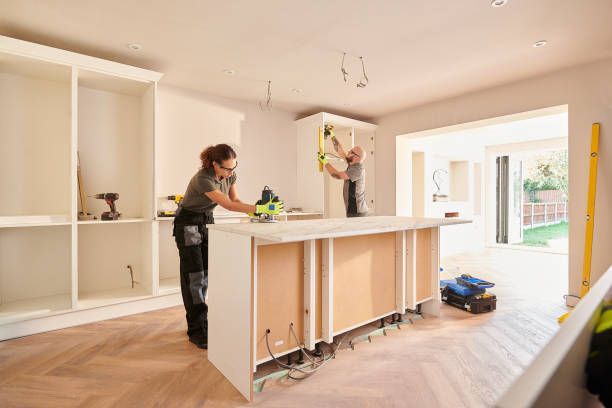
Most people picture remodeling as a pretty simple thing. Pick a contractor, tear out the old stuff, put in the new stuff, done. If only it worked that way. Anyone searching for Home remodeling near me in Santa Rosa is probably looking at finished kitchens, fresh bathrooms, new floors, maybe a whole-house renovation. The finished pictures are nice. What they don’t show is the waiting. There can be a lot of it. Before construction even begins, there are measurements, design changes, contractor scheduling, permits, material orders and a pile of decisions that seemed unimportant at first. Then the project starts and you realize every little thing has a place in the timeline. That’s usually when homeowners start asking, “Why is this taking so long?”
The Planning Stage Can Eat Up Weeks
Planning isn’t the exciting part, so it gets underestimated. Nobody gets excited about sitting around discussing cabinet measurements or where an electrical outlet should go. But those conversations matter. A remodeling plan has to be worked out before people start ripping things apart. Maybe you want to remove a wall. Fine, but is it structural? Want a bigger window? There could be framing and permitting involved. Moving the kitchen sink sounds easy until you find out the plumbing needs to move too. And sometimes the homeowner changes their mind. It happens all the time. One decision gets changed, then another thing has to change because of that first change. Suddenly a few days of planning have turned into a couple weeks. Better to deal with that before construction than while workers are standing in the house waiting for an answer.
Permits Have Their Own Clock
Then there are permits. They don’t care that you want the project finished before summer. They follow their own process. Depending on the type of renovation, plans may need review and approval before certain work can move forward. Corrections can come back. Additional information might be requested. Then, once work begins, inspections can become part of the schedule as well. None of this is particularly dramatic. It’s just how construction works. The problem is that homeowners often leave permits out of their mental timeline. They think about “six weeks of construction,” but forget the time before those six weeks. That can make a reasonable project feel late when it really isn’t. Ask about permits at the beginning. It’s a boring question, but it can save a lot of confusion later.
Waiting for Materials Is a Bigger Deal Than It Sounds
Here’s another one. Materials. A contractor can have the crew ready and still be stuck because something hasn’t arrived. Cabinets are a common example, especially when they’re custom. Windows, doors, appliances, specialty tile and countertops can also take time. And no, ordering something today doesn’t always mean it shows up next week. Sometimes it does. Sometimes it doesn’t. A shipment can be delayed, a product can arrive damaged, or the wrong item can get delivered. Now another order has to be placed. This is why smart scheduling has some space built into it. If a project timeline is so tight that one late cabinet delivery throws everything off, it wasn’t much of a timeline to begin with.
Demolition Is Where the House Starts Telling You Things
Demolition is usually where the original plan meets reality. You can look at a wall all day and still have no idea what’s behind it. Once it comes down, there might be old wiring, plumbing that needs attention, water damage, strange framing or some previous repair that was… let’s say, less than ideal. Older homes can be especially unpredictable. Not every surprise turns into a major expense or a giant delay, but some do. And sometimes the contractor has to stop and figure out what they’re dealing with before continuing. That’s not wasted time. Covering up a problem just to stay on schedule is a bad trade. It might make the calendar look better while making your future repair bill much worse.
Different Crews Can’t All Work at Once
A remodeling project also depends on people showing up in the right order. The plumber might need to finish before the drywall goes in. Electrical work may need to happen before walls are closed. Cabinets have to be installed before certain finishing work can be completed. Flooring may need to wait until other messy work is finished. It’s a bit like trying to cook dinner in a kitchen where three other people are using the same counter. Everybody has a job, but they can’t all do it at the same time. Add contractor availability, weather and another job running late, and the schedule can move around. That’s normal construction stuff. A good project manager keeps things moving, but they can’t control every outside factor.
Your Daily Life Gets Part of the Timeline Too
There’s another delay homeowners don’t always count as a delay. The fact that you still have to live there. If the kitchen is being remodeled, where are you cooking? If the bathroom is torn apart, which bathroom are you using? If floors are being replaced, where does all the furniture go? And then there’s the dust. Somehow it gets into places you didn’t even know existed. Noise can be tiring too, especially when the project goes on for several weeks. If you’re working from home, have small children, pets or just value a quiet morning, the disruption starts to matter. Planning where you’ll stay, what rooms remain usable and where your stuff will go can make a longer project much easier to handle.
ADU Construction Comes With More Moving Parts
For ADU Construction in Santa Rosa, the timeline can stretch further because there’s simply more involved than changing a kitchen or bathroom. An ADU may require design work, site planning, permits, utility connections, foundation work, framing, roofing, electrical and plumbing, followed by inspections and interior finishing. The property itself can create complications. Access for equipment, the location of existing utilities and the condition of the site can all affect the work. Then you have the normal construction variables on top of that. So if someone gives you an unrealistically short timeline for an ADU, be careful. Fast isn’t automatically better. There are stages that need to happen in a certain order, and trying to squeeze them together can create problems later.
The Final Stretch Can Feel Weirdly Slow
Funny enough, the last part of a remodel can sometimes feel slower than the beginning. The big stuff is done, so you expect the house to be finished. But there are still fixtures to install, trim to finish, paint touch-ups, hardware, inspections, cleanup and little things that need correcting. None of those jobs may take very long individually. Together, they add up. This is also why a contractor saying “we’re almost there” doesn’t always mean you’ll be moving everything back in tomorrow. Keep a little patience for this stage. It’s better to finish the details properly than rush through them because everyone is tired of the project.
Conclusion: Give the Timeline Some Breathing Room
A home remodel doesn’t run like a stopwatch. There’s a general schedule, sure, but plenty of things can push it around. Permits take time. Materials show up when they show up. Walls reveal surprises. Crews have to work in sequence. Homeowners change their minds sometimes. That’s just real life. The best thing you can do is understand the stages before work begins and ask where delays are most likely to happen. Don’t build your entire summer around the most optimistic completion date you hear. Give the project a little breathing room. Your remodel may still take longer than you hoped. But at least you’ll know what’s happening, and that makes a big difference when your house is covered in dust and half the kitchen is sitting in the garage.