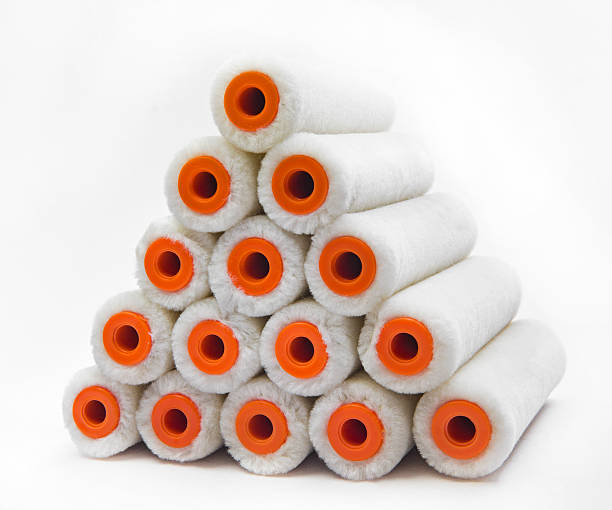
A good paint job can go sideways for a pretty simple reason: the roller cover has stopped doing its job. A microfiber roller cover can hold up well, especially when you’re working with coatings that need a clean, even application, but it isn’t indestructible. Once the cover starts dragging, shedding, getting stiff, or leaving a strange texture behind, keeping it on the frame usually does more harm than good. And honestly, this is where people try to save five bucks and end up spending hours fixing the finish.
The Roller Starts Dragging Instead of Gliding
One of the first signs that a roller cover needs attention is a change in how it feels. A fresh cover moves across the surface fairly smoothly. It picks up coating, releases it evenly, and doesn’t require you to lean into the roller just to get it moving. When the fibers become loaded with dried material, damaged, or overly compressed, things change. You start feeling resistance. The roller skips in places or seems to pull at the coating instead of laying it down. That’s not something to ignore. Extra pressure doesn’t solve it. Usually, it makes the surface worse by pushing too much material around and creating uneven coverage.
Watch for Uneven Coverage and Dry Spots
Sometimes the roller feels fine but the finish tells you otherwise. You may notice thin patches, heavier bands, or areas where the coating seems to disappear from the roller halfway through a pass. That can happen when the cover isn’t holding and releasing material the way it should. With epoxy and other demanding coatings, consistency matters a lot because you don’t have unlimited time to keep working the surface. If you’re constantly going back over the same section to fix coverage, stop for a second and inspect the roller. A worn cover can turn a straightforward application into a wrestling match. Not worth it.
Lint, Fibers, and Loose Material Are a Red Flag
Microfiber covers are known for producing a clean application, but they can still shed when they’re worn, damaged, or simply past their useful life. If you start seeing loose fibers sitting in the coating, that’s a pretty obvious warning. Don’t assume they’ll magically disappear as the coating cures. They may become part of the finished surface. Run your hand over the cover and look closely at the fabric. If sections look fuzzy, torn, matted, or noticeably different from the rest, replacing it is usually the sensible move. A few loose fibers might not sound serious, but on a smooth epoxy finish, small defects can stand out like crazy.
Dried Coating Changes the Whole Roller
Here’s another common one. You take a short break, come back, and part of the roller has started curing. Maybe you try to rinse or clean it and get back to work. Sometimes that works. Sometimes it doesn’t. Once coating has hardened deep into the fibers, the roller won’t behave like a fresh cover anymore. It can create little hard spots that scratch or drag across the surface. It may also release old material into your new coating. If you’re working with epoxy, the problem gets worse because cured residue is not exactly friendly to a clean application. When the material has hardened and the cover can’t be restored properly, replace it. Fighting with a half-cured roller rarely ends well.
Know When Cleaning Is No Longer Enough
Not every dirty roller needs to be thrown away. If the coating is still workable and the manufacturer’s cleaning instructions allow the cover to be cleaned, you may be able to keep using it. The important part is checking the actual condition of the fabric after cleaning. Does it still have its original shape? Are the fibers standing properly? Is the surface free from chunks and hardened spots? If yes, carry on. If not, you’re gambling with the finish. This is especially important when moving from one coat to another. A roller that looks “mostly clean” can still carry tiny bits of old coating that show up once the next layer goes down.
Pay Attention to Changes in the Finish
Your eyes are often the best inspection tool. Step back and look at the area you’ve just rolled. If the texture suddenly changes compared with the section you completed earlier, don’t automatically blame the coating or the substrate. The roller could be the culprit. A tired cover can create stippling that wasn’t there before, leave heavier edges, or stop laying down material consistently. This gets more noticeable as the project goes on because the cover gradually wears rather than failing all at once. That’s why checking it every so often makes sense. You don’t need to baby it. Just pay attention.
Choose the Right Replacement for the Coating
Replacing the cover is only half the job. You also need the right type of roller for what you’re applying. Epoxy coatings have different requirements than ordinary wall paint, and a cover that works beautifully on one material may perform poorly with another. Nap length, fiber construction, solvent resistance, and the coating’s working time all matter. For projects involving epoxy, an epoxy glide roller cover can be a better fit when its specifications match the product being applied. The point isn’t to grab the most expensive roller on the shelf. It’s to use a cover designed to handle the material without breaking down or leaving unwanted texture.
Don’t Wait Until the Finish Is Ruined
A lot of people replace a roller only after it has completely fallen apart. That’s too late. If the cover is dragging, shedding, holding cured material, or producing a noticeably different finish, replace it before the problem spreads. This is even more important on large floors, pool surfaces, counters, or other areas where recoating or sanding isn’t a quick little chore. A fresh roller cover costs very little compared with the time and material involved in correcting a bad application. Keep a spare nearby. It sounds obvious, but having one ready means you’re far more likely to make the switch when you need to.
Conclusion: Replace It When Performance Drops
A roller cover doesn’t have to look destroyed before it’s time for a new one. The real test is performance. If it no longer loads properly, releases coating evenly, moves smoothly, or produces the same texture as before, it’s already telling you something. Listen to it. Using a worn cover just because there’s still some life left in it can create problems that are much harder to fix later. On coating projects, especially demanding ones, a clean and reliable roller is part of the process, not an afterthought. Sometimes the smartest move in the middle of the job is simply putting the old cover in the bin and starting fresh.