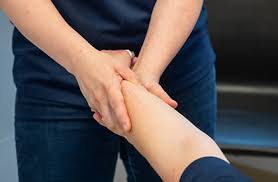
Physical therapy has evolved dramatically. Gone are the days of basic exercises and generic treatment plans. Today, state of the art physical therapy represents a new era in rehabilitation. It combines the latest scientific research with advanced technology and personalized care. This approach delivers better outcomes, faster recovery, and a more positive patient experience. Whether you’re recovering from surgery, managing a chronic condition, or seeking to improve your athletic performance, modern physical therapy offers solutions that were unimaginable just a decade ago. The field has evolved dramatically, embracing evidence-based practice, innovative technologies, and a deeper understanding of how the body heals. For patients, this means more effective treatment, less pain, and a quicker return to the activities they love. State of the art physical therapy is transforming lives, one patient at a time.
The Science Behind Modern Physical Therapy
Modern physical therapy is rooted in science. Every technique used has been researched and validated. Every treatment plan is based on evidence. State of the art physical therapy relies on this scientific foundation. Therapists stay current with the latest research. They understand the biology of healing. They know how different tissues respond to different interventions. This knowledge guides their decisions. It ensures you receive the most effective treatment available. The science behind physical therapy continues to evolve. New research emerges regularly. Therapists adapt their practices accordingly. This commitment to science-based care is what sets state of the art physical therapy apart from outdated approaches. Patients benefit from treatments that are proven to work. They avoid ineffective or unnecessary interventions. This scientific approach leads to better outcomes and higher patient satisfaction.
Advanced Technologies in Rehabilitation
Technology has transformed physical therapy. New tools enhance assessment and treatment. State of the art physical therapy integrates these technologies. Laser therapy reduces pain and inflammation. Ultrasound promotes tissue healing. Electrical stimulation activates muscles and reduces pain. Computerized balance training improves stability. Virtual reality makes rehabilitation engaging and effective. These technologies complement traditional therapy. They accelerate healing. They improve outcomes. They make rehabilitation more effective and more enjoyable. The integration of technology also allows for better tracking of progress. Therapists can measure improvement objectively. They can adjust treatment plans based on real data. This precision leads to better results. Patients benefit from technology that enhances their recovery. State of the art physical therapy embraces these innovations. It uses them to provide the best possible care.
Personalized Treatment Plans
Every patient is unique. Every injury is different. Every recovery journey is individual. State of the art physical therapy recognizes this. Treatment plans are personalized to your specific needs. Your therapist takes time to understand you. They assess your condition thoroughly. They consider your goals, your lifestyle, and your preferences. They develop a plan that works for you. This personalized approach leads to better outcomes. It ensures you get exactly what you need. No generic exercises. No one-size-fits-all solutions. Just care that’s tailored to you. Personalized treatment also means greater patient engagement. When you understand why you’re doing certain exercises, you’re more likely to follow through. You’re more invested in your recovery. This commitment to personalization is a hallmark of state of the art physical therapy.
The Role of Evidence-Based Practice
Evidence-based practice is the foundation of modern physical therapy. It means treatments are supported by research. State of the art physical therapy is built on this principle. Therapists don’t rely on tradition or intuition alone. They use techniques that have been proven effective. They stay current with the latest studies. They adapt their practices based on new evidence. This commitment to evidence ensures you receive the most effective care. It also means treatments are constantly improving. As research advances, so does physical therapy. Patients benefit from the latest knowledge. They avoid treatments that don’t work. This evidence-based approach is what makes state of the art physical therapy so effective.
Conditions Treated with Modern Therapy
State of the art physical therapy treats a wide range of conditions. Sports injuries respond well to modern rehabilitation. Orthopedic conditions like arthritis and back pain benefit from advanced treatment. Neurological conditions like stroke and Parkinson’s disease improve with specialized therapy. Chronic pain can be managed effectively. Post-surgical recovery is accelerated. Balance disorders are addressed. The list goes on. State of the art physical therapy is effective for people of all ages. From young athletes to older adults, everyone can benefit. The key is matching the right treatment to the right condition. With a thorough assessment and personalized plan, most conditions can be improved. Modern physical therapy offers hope for many who have struggled with pain or limited mobility.
The Importance of Early Intervention
Early intervention is crucial for optimal outcomes. The sooner you start therapy, the better your results. State of the art physical therapy emphasizes early intervention. It prevents problems from worsening. It speeds up recovery. It reduces the need for more invasive treatments. If you’re injured or experiencing pain, don’t wait. Seek help early. Early treatment can make a significant difference. It can prevent chronic issues from developing. It can reduce the need for surgery. It can get you back to your life faster. State of the art physical therapy is designed to intervene early and effectively.
The Therapist-Patient Relationship
The relationship between therapist and patient is crucial. Trust and communication are essential. State of the art physical therapy values this relationship. Therapists take time to listen. They explain things clearly. They answer your questions. They involve you in decisions about your care. This collaborative approach leads to better outcomes. When you feel heard and respected, you’re more engaged. You’re more likely to follow through with your treatment plan. The therapist-patient relationship is a partnership. Together, you work toward your goals. This partnership is a key component of state of the art physical therapy.
Apex Physiotherapy and Wellness: Your Partner in Advanced Rehabilitation
Apex Physiotherapy and Wellness is committed to state of the art physical therapy. Our team uses the latest techniques and technologies. We provide personalized, evidence-based care. We help you achieve your goals. Whether you’re recovering from injury or seeking to improve your health, we’re here to help. Experience the difference of state of the art physical therapy with Apex Physiotherapy and Wellness. Our therapists are experts in their field. They stay current with the latest research. They use advanced technology to enhance treatment. They provide compassionate, personalized care. We’re committed to helping you live better and move freely. Contact Apex Physiotherapy and Wellness today and start your journey to better health.
Conclusion
State of the art physical therapy represents the best of modern rehabilitation. With advanced technologies, personalized care, and evidence-based practice, it offers better outcomes and faster recovery. Whether you’re dealing with an injury, a chronic condition, or post-surgical recovery, state of the art physical therapy can help. Apex Physiotherapy and Wellness is committed to providing this level of care. Our expert team uses the latest techniques to help you achieve your goals. Experience the difference of advanced rehabilitation with Apex Physiotherapy and Wellness. Contact us today and discover how state of the art physical therapy can transform your life and help you move better.