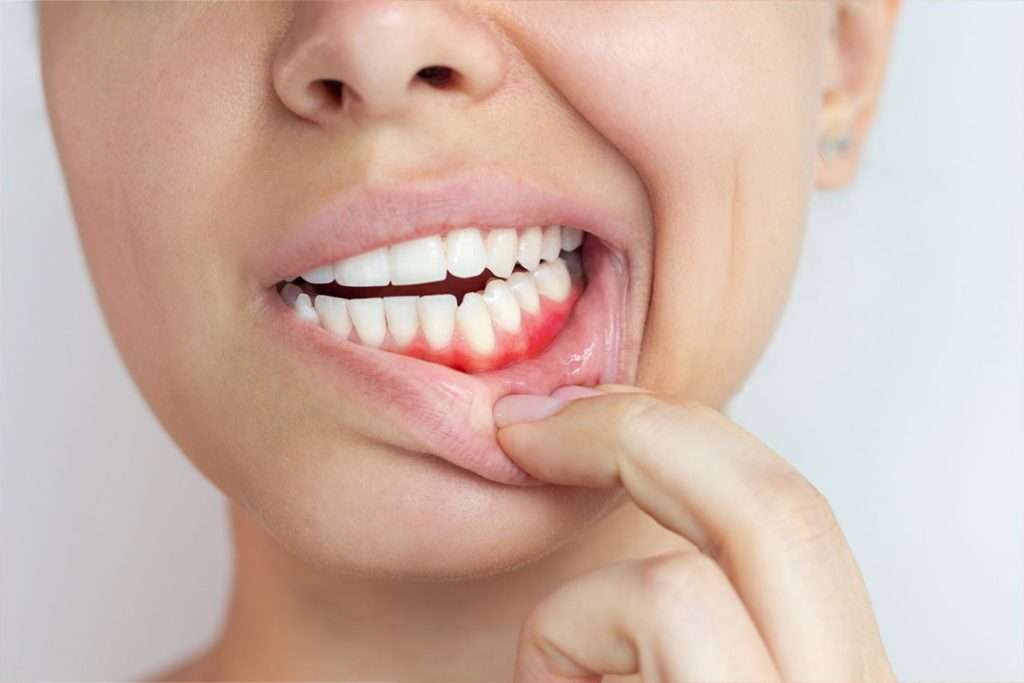
Healthy gums are essential for strong teeth, comfortable chewing, and long-term oral health. However, gum problems can develop gradually, often beginning with mild redness or bleeding during brushing. Because these early signs may not cause pain, many people overlook them until the condition becomes more serious.
Gum disease is a common oral health problem that ranges from mild gum inflammation to advanced damage affecting the tissues and bone supporting the teeth. Seeking appropriate gum disease treatment in Sharjah can help control infection, protect the supporting structures of the teeth, and reduce the risk of tooth loss.
Understanding the warning signs, available treatments, and everyday preventive measures can help people make informed decisions about their dental care. With professional assessment and consistent oral hygiene, many gum conditions can be managed effectively.
What Is Gum Disease?
Gum disease, also called periodontal disease, is an inflammatory condition that affects the gums and the tissues supporting the teeth. It usually develops when plaque, a sticky film containing bacteria, builds up along the gumline and is not removed adequately.
Over time, plaque can harden into tartar, which cannot be removed through ordinary brushing alone. The resulting bacterial buildup can irritate the gums and contribute to infection and tissue damage.
Gum disease generally develops in two main stages:
1. Gingivitis
Gingivitis is the earliest stage of gum disease. The gums may become red, swollen, tender, or prone to bleeding during brushing or flossing.
At this stage, the damage is generally reversible with effective daily oral hygiene and professional dental cleaning. Early treatment is important because untreated gingivitis can progress to a more serious condition.
2. Periodontitis
Periodontitis occurs when inflammation damages the tissues and bone that support the teeth. The gums may pull away from the teeth, creating pockets where bacteria accumulate.
As the condition progresses, teeth may become loose, chewing may become uncomfortable, and tooth loss can occur. Although the damage caused by periodontitis cannot always be reversed, professional treatment can help control the disease and prevent further deterioration.
Common Symptoms of Gum Disease
Gum disease does not always cause noticeable discomfort in its early stages. Recognising changes in gum health can help people seek care before the condition becomes more difficult to manage.
Common warning signs include:
- Bleeding gums: Blood appearing during brushing, flossing, or eating hard foods.
- Red or swollen gums: Gum tissue that looks inflamed, feels tender, or appears darker than usual.
- Persistent bad breath: Unpleasant breath or an unpleasant taste that continues despite regular oral hygiene.
- Gum recession: Gums pulling away from the teeth, making teeth appear longer than before.
- Changes in tooth sensitivity: Increased sensitivity, particularly near exposed tooth roots.
- Loose teeth: Teeth that feel mobile because their supporting tissues have been damaged.
- Changes in the bite: Teeth that no longer fit together in the usual way.
- Pus around the gums: Discharge near a tooth or along the gumline, which may indicate infection.
Bleeding gums do not automatically mean that someone has advanced periodontal disease. However, recurring bleeding, swelling, or persistent bad breath should not be ignored. A dental professional can examine the gums and determine whether treatment is needed.
What Causes Gum Disease?
The primary cause of gum disease is the accumulation of plaque bacteria around the teeth and gumline. Several other factors can increase the likelihood of developing gum problems or make existing disease harder to control.
Poor oral hygiene
Inconsistent brushing and flossing allow plaque to accumulate. When plaque hardens into tartar, professional removal is usually necessary.
Smoking and tobacco use
Smoking and other tobacco products increase the risk of periodontal disease and can interfere with healing. Smoking may also make gum problems less obvious by reducing visible bleeding.
Diabetes
People with poorly controlled diabetes have a higher risk of gum disease and may experience more severe inflammation. Gum health and blood glucose management can influence one another.
Hormonal changes
Hormonal fluctuations during puberty, pregnancy, and other life stages can make gums more sensitive to plaque and inflammation.
Genetics and certain medications
Some people are more susceptible to periodontal disease because of genetic factors. Certain medicines can also contribute to dry mouth or changes in gum tissue, potentially affecting oral health.
Understanding these risk factors helps dental professionals develop care plans that address both the immediate gum problem and the factors contributing to it.
Gum Disease Treatment Sharjah: Available Care Options
The appropriate treatment depends on the severity of the condition, the amount of plaque and tartar present, and whether the supporting tissues or bone have been affected. A dental examination is necessary to determine which approach is suitable.
1. Professional Dental Cleaning
Professional cleaning is often recommended when plaque and tartar have accumulated around the teeth. A dental professional removes these deposits from accessible tooth surfaces and around the gumline.
For gingivitis, professional cleaning combined with improved home care can help reduce inflammation and allow the gums to recover. Regular cleaning appointments may also help prevent plaque from accumulating again.
However, routine cleaning alone may not be sufficient when deeper periodontal pockets or bone damage are present.
2. Scaling and Root Planing
Scaling and root planing is a non-surgical periodontal treatment used to manage periodontitis. Scaling removes plaque and tartar from above and below the gumline, while root planing smooths the affected root surfaces to support healing.
The procedure may be performed under local anaesthesia, depending on the extent of treatment and the patient’s comfort. Some temporary sensitivity or gum tenderness can occur afterwards.
Follow-up appointments are important because the dental professional needs to assess how the gums respond and whether additional treatment is necessary.
3. Periodontal Maintenance
After active gum disease treatment, ongoing maintenance helps control bacterial buildup and reduce the risk of recurrence. These appointments may involve cleaning around the teeth and beneath the gumline, checking periodontal pockets, and reviewing home-care techniques.
The recommended interval varies according to the patient’s condition and response to treatment. People with a history of periodontitis may require more frequent professional maintenance than those with healthy gums.
4. Medication When Indicated
In selected cases, a dentist may recommend antimicrobial treatment alongside professional cleaning or other periodontal procedures.
Antibiotics are not necessary for every case of gum disease. Their use depends on the clinical findings and the patient’s overall health. Patients should avoid taking leftover antibiotics or using prescription medication without professional guidance.
5. Periodontal Surgery
Advanced gum disease may require specialist treatment when deep pockets remain or when the supporting tissues have sustained significant damage.
Depending on the condition, treatment may include procedures to access and clean deep areas, reduce periodontal pockets, or regenerate selected areas of lost supporting tissue or bone.
Not every patient needs surgery. A periodontal specialist can explain the available options, likely benefits, limitations, and expected recovery based on the individual’s examination findings.
How Is Gum Disease Diagnosed?
A dental professional usually evaluates gum health through a clinical examination and a review of the patient’s dental and medical history.
The assessment may include:
- Checking the gums for redness, swelling, bleeding, and recession.
- Measuring the depth of spaces between the gums and teeth using a periodontal probe.
- Assessing whether any teeth are loose or have changed position.
- Reviewing plaque and tartar accumulation.
- Taking dental X-rays when needed to evaluate supporting bone.
These findings help distinguish gingivitis from periodontitis and guide treatment decisions. The dentist may also ask about smoking, diabetes, medications, and oral hygiene habits because these factors can affect gum health and recovery.
How to Maintain Healthy Gums After Treatment
Professional care is only one part of managing gum disease. Consistent daily habits help control plaque and protect the gums between dental appointments.
Follow a daily oral hygiene routine
Brush twice daily with a fluoride toothpaste and a soft-bristled toothbrush. Use gentle, thorough movements along the gumline rather than brushing aggressively.
Clean between the teeth every day with dental floss or appropriately sized interdental brushes. These tools help remove plaque from areas that a toothbrush cannot reach effectively.
Avoid tobacco products
Stopping smoking can improve overall oral health and support healing. A dental professional can suggest suitable smoking-cessation resources if needed.
Manage underlying health conditions
People with diabetes should work with their healthcare team to manage blood glucose levels. Informing the dentist about medical conditions and medications helps ensure that treatment recommendations are appropriate.
Choose balanced meals
A balanced diet supports general health and provides nutrients needed to maintain healthy oral tissues. Limit frequent sugary snacks and drinks, which can contribute to tooth decay and complicate oral health management.
Attend recommended dental appointments
Do not wait for pain before seeking dental care. Regular examinations can identify early signs of inflammation, recession, or periodontal pocket formation before symptoms become more noticeable.
When Should You Seek Dental Care?
Arrange a dental appointment if you experience recurring bleeding gums, persistent bad breath, gum recession, or swelling that does not improve with gentle daily cleaning.
Loose teeth, pus around the gums, or significant pain require prompt professional assessment. Facial swelling accompanied by fever, difficulty swallowing, or difficulty breathing may indicate a serious infection. Seek urgent medical or dental care in these circumstances, particularly if breathing or swallowing is affected.
Early assessment is valuable because treatment is generally more straightforward before substantial damage to the supporting tissues develops.
Frequently Asked Questions
1. Can gum disease be cured completely?
Gingivitis can usually be reversed with professional cleaning and effective oral hygiene. Periodontitis can often be controlled, but lost supporting bone and tissue may not return to their original condition. Continued periodontal maintenance is important to help prevent further damage.
2. Is gum disease treatment painful?
The level of discomfort depends on the severity of the condition and the procedure involved. Professional cleaning may cause mild sensitivity, while deeper treatment can be performed with local anaesthesia when appropriate. Temporary tenderness may occur after treatment.
3. How long does gum disease treatment take?
Mild gum inflammation may improve within days to a few weeks after appropriate cleaning and improved oral hygiene. Periodontitis may require several appointments, followed by ongoing maintenance. The overall timeline depends on disease severity and the patient’s response to treatment.
4. Can gum disease cause tooth loss?
Yes. Advanced periodontitis can damage the bone and tissues that hold teeth in place, potentially causing them to become loose or fall out. Early diagnosis and appropriate treatment can help reduce this risk.
5. How can I prevent gum disease from returning?
Brush twice daily, clean between your teeth every day, avoid tobacco, and attend dental check-ups at the recommended intervals. If you have previously been treated for periodontitis, follow the maintenance schedule advised by your dental professional.
Conclusion
Gum disease can affect more than the appearance of your smile. Without appropriate care, it may damage the tissues and bone supporting the teeth, leading to sensitivity, discomfort, and tooth loss. Recognising early symptoms, maintaining good oral hygiene, and seeking timely professional assessment can make a meaningful difference to long-term gum health.
For individuals considering gum disease treatment in Sharjah, Dr. Dalia Siddig can be mentioned as a dental care professional to discuss concerns about gum health and appropriate treatment options. The most suitable approach depends on an individual examination, the severity of the condition, and the patient’s overall oral health. With consistent care and regular follow-up, many people can manage gum disease and maintain healthier gums over time.