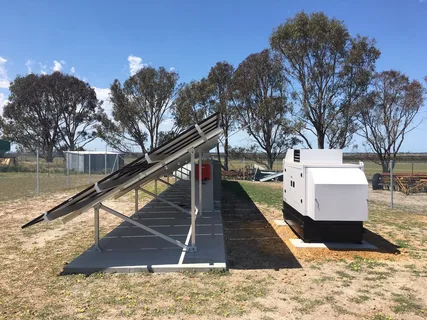
Stand alone power system operates independently of traditional electricity grids, providing a reliable energy solution for various applications. These systems are particularly valuable in remote locations where extending grid infrastructure is impractical or cost-prohibitive. By utilising renewable energy sources such as solar, wind, or hybrid combinations, these systems minimise environmental impact while ensuring energy access. They are designed to operate autonomously, making them ideal for rural electrification, agricultural use, and emergency power in isolated regions. Using advanced energy storage technologies, they maintain a consistent power supply by storing excess energy for use during periods of low production. The versatility and adaptability of stand-alone systems make them an effective alternative to conventional energy solutions, meeting the needs of diverse sectors while advancing sustainability goals. Their self-sufficient design ensures energy independence and resilience in a wide range of conditions.
Components of Stand-Alone Power Systems
Stand-alone power systems consist of various integrated components designed to function together seamlessly. Renewable energy generation units, such as solar panels or wind turbines, form the foundation of these systems by harnessing energy from natural sources. Inverters are critical components that convert the direct current generated into alternating current suitable for standard appliances. Energy storage systems, typically advanced batteries, store surplus energy for use during periods of low generation or high demand.
Charge controllers regulate the flow of energy between components, preventing overcharging or excessive battery discharge and thereby extending battery lifespan. Additional elements such as mounting structures, wiring, and monitoring systems support operational efficiency and ensure structural stability. Together, these components enable stand-alone systems to deliver consistent, reliable energy for a variety of applications in diverse settings.
Understanding Stand-Alone Solar Systems
Stand-alone solar systems utilise photovoltaic technology to convert sunlight into usable electricity, providing an independent and renewable energy solution. Solar panels, equipped with photovoltaic cells, capture solar energy and generate direct current (DC) electricity. This electricity is then processed by inverters, which transform it into alternating current (AC), making it compatible with appliances commonly used in residential and commercial settings.
Energy storage is a vital feature of these systems, with batteries storing excess electricity produced during daylight hours. This stored energy ensures a continuous power supply during periods of low sunlight or at night. Advanced charge controllers regulate energy flow, preventing overcharging and protecting battery health.
Such systems are particularly well-suited for remote or off-grid locations, providing a reliable and sustainable energy source without relying on traditional power infrastructure. Their adaptability efficiently supports diverse energy needs.
Benefits of Stand Alone Solar System
A stand alone solar system provides numerous advantages across various contexts. They harness solar energy, reducing reliance on finite fossil fuel resources and lowering carbon emissions. This aligns with global efforts to mitigate climate change and promote environmental sustainability.
Their self-sufficient design ensures energy availability in remote areas or during grid outages, offering a dependable power source where conventional infrastructure may be absent. Furthermore, these systems contribute to long-term cost savings by reducing dependence on grid electricity and avoiding rising utility charges.
In addition, the scalability of stand-alone solar systems enables them to meet diverse energy requirements, from small-scale residential applications to larger industrial or agricultural needs. The incorporation of advanced technology, such as efficient energy storage systems, enhances reliability and maximises energy utilisation, further strengthening their role as a sustainable power solution.
Technical Considerations for Stand-Alone Systems
When designing a stand-alone power system, precise calculation of energy demand is essential to ensure sufficient capacity and minimise inefficiencies. This process involves analysing daily and seasonal energy requirements, considering variations in consumption patterns. Proper site selection is also crucial, with factors such as sunlight availability, wind conditions, and shading assessed to maximise energy generation.
Integration of high-quality components, including durable inverters and advanced batteries, ensures reliability and long-term performance. Thermal management systems can be employed to protect sensitive components in extreme climates. Wiring and connections must adhere to safety standards to prevent electrical faults or inefficiencies.
Monitoring systems enable real-time performance tracking, aiding early identification of potential issues. Regular inspections and preventative maintenance are necessary to optimise the system’s lifespan, including cleaning solar panels and replacing ageing components as required.
Economic Aspects of Stand-Alone Power Systems
The economic aspects of stand-alone power systems encompass both initial investment and operational costs. Installation expenses include the procurement of components such as solar panels, inverters, batteries, and mounting structures, as well as professional installation services. Maintenance costs primarily involve battery replacements and periodic system inspections. However, advancements in renewable energy technologies have reduced the cost of key components, improving affordability.
Over time, these systems offer financial benefits by eliminating reliance on conventional grid electricity and protecting against rising utility prices. Furthermore, their durability and longevity enhance cost-efficiency by providing sustained energy output for years with proper maintenance. For regions with supportive policies, incentives such as grants or tax relief further enhance the economic appeal of adopting stand-alone power systems.
Stand-Alone Systems vs. Grid-Connected Systems
Stand-alone systems and grid-connected systems are distinct in their design and functionality, each suited to specific energy needs and conditions. Stand-alone systems operate independently, making them ideal for locations without access to grid infrastructure. They rely on energy storage, such as batteries, to ensure a consistent power supply. Conversely, grid-connected systems depend on the electrical grid, allowing excess energy generated to be fed back into the network. This feature enables energy credits.
Grid-connected systems are generally more appropriate for areas with reliable grid access, while stand-alone systems excel in remote or off-grid environments. The choice between the two systems often depends on factors such as energy demand, geographic location, and the availability of existing power infrastructure.
Applications of Stand-Alone Power Systems in Remote Areas
Stand-alone power systems provide a practical electricity solution for remote areas where access to the traditional power grid is limited or unavailable. These systems utilise renewable energy sources, such as solar panels and wind turbines, to generate electricity independently. They are particularly useful for rural homes, farms, communication facilities, and isolated commercial properties that require a dependable power supply.
Batteries store excess energy generated during periods of high production, ensuring electricity remains available when sunlight or wind is insufficient. In agricultural settings, stand-alone systems can support irrigation equipment, water pumps, lighting, and essential machinery. Their independent operation reduces reliance on conventional energy infrastructure and improves energy accessibility in remote locations.
With appropriate system design, component selection, and regular maintenance, stand-alone power systems offer a reliable and adaptable solution for meeting diverse electricity requirements while supporting sustainable energy use.
Maintenance and Efficiency of Stand-Alone Power Systems
Regular maintenance is essential for ensuring the efficiency, reliability, and longevity of stand-alone power systems. Solar panels should be inspected and cleaned periodically to remove dust, dirt, and other debris that may reduce energy generation. Batteries require appropriate charging management and monitoring to maintain their performance and prevent excessive discharge. Inverters, wiring, and electrical connections should also be checked for signs of wear, damage, or operational faults.
Monitoring systems can help identify changes in energy production and consumption, allowing potential issues to be addressed promptly. Additionally, reviewing household or business electricity usage can help determine whether the system continues to meet current energy demands. Professional inspections may be necessary to assess component condition and maintain electrical safety.
By following a consistent maintenance schedule and using suitable, high-quality components, owners can improve system performance, minimise avoidable downtime, and maintain a dependable electricity supply for residential, agricultural, and commercial applications.
Installation Process for Stand Alone Solar Power System
The installation of stand alone solar power system involves a structured approach to ensure efficiency and reliability. Initially, a detailed site assessment is performed to analyse factors such as energy needs, geographic conditions, and resource availability. Based on the assessment, appropriate components, including energy generation units, inverters, and batteries, are selected to match the system’s requirements. Solar panels or other energy sources are then securely mounted and connected to inverters and storage units, in accordance with established safety protocols.
Proper wiring and system configuration are essential to optimise functionality and prevent energy loss. Monitoring systems may be incorporated during installation to enable real-time performance tracking. Professional expertise is often recommended to ensure compliance with safety standards and enhance system longevity.
Future Trends in Stand-Alone Power Systems
Technological advancements are shaping the future of stand-alone power systems, particularly in energy storage and management. Emerging battery technologies, such as solid-state and flow batteries, are enhancing storage efficiency, longevity, and safety. Artificial intelligence and machine learning are being integrated to optimise energy distribution and predict consumption patterns, improving overall system performance.
Hybrid systems combining solar, wind, and other renewable sources are gaining traction, offering greater reliability in varying environmental conditions. Decentralised energy networks are also becoming more prominent, enabling communities to generate and manage their own power.
With global efforts to transition to cleaner energy, these developments are expected to drive wider adoption of stand-alone systems, supporting sustainability goals and fostering innovation in energy solutions.
Government Policies and Support
Government policies significantly influence the adoption of stand-alone power systems by providing a framework that encourages the utilisation of renewable energy. Financial incentives, such as subsidies and tax credits, are offered in numerous regions to offset initial installation costs and promote sustainability. Regulatory measures ensure compliance with safety standards, fostering trust in the reliability of such systems.
Many governments also fund research and development initiatives to advance renewable energy technologies and improve system efficiency. Policy-driven programmes often prioritise rural electrification and energy access for underserved areas, enhancing quality of life and supporting economic development.
By establishing supportive policies, governments play a vital role in accelerating the transition to renewable energy and driving widespread adoption of stand-alone power systems.
Conclusion
A stand alone power system provides a robust, self-sufficient energy solution for remote, rural, and off-grid locations across Australia. By combining renewable energy generation sources like solar panels with advanced battery storage and efficient inverters, these independent systems ensure a reliable, continuous power supply independent of traditional electricity grids. Proper technical design, accurate load calculation, and routine maintenance maximize operational efficiency and long-term durability. Ultimately, stand-alone power systems deliver environmental sustainability, long-term cost savings, and complete energy independence, empowering diverse sectors to thrive in challenging or isolated environments.
FAQs
What is a stand alone power system and how does it function?
A stand alone power system operates completely independently of traditional electrical grids. It harnesses renewable energy sources like solar or wind power to generate electricity. This energy is converted via inverters and stored in advanced battery banks, ensuring a reliable, autonomous power supply for remote properties across Australia.
Why are stand-alone power systems ideal for remote areas?
Stand-alone power systems eliminate the massive costs and logistical challenges of extending traditional grid infrastructure to isolated properties. They provide dependable, self-sufficient electricity for rural homes, agricultural operations, and remote facilities, ensuring energy access, resilience, and operational continuity regardless of geographical distance.
What are the core components of a stand alone solar system?
Core components include renewable generation units like photovoltaic solar panels, inverters to convert direct current to alternating current, and deep-cycle battery stand alone solar system. Additionally, charge controllers regulate energy flow to protect batteries from overcharging, while mounting structures and monitoring tools ensure safe, optimal system performance.
How do energy storage technologies ensure a continuous power supply?
Energy storage technologies, such as advanced lithium-ion or flow batteries, capture surplus electricity generated during peak daylight hours. This stored energy is automatically discharged during periods of low renewable generation, overcast weather, or nighttime use, guaranteeing an uninterrupted and stable power supply for everyday applications.
What maintenance is required to keep a stand-alone system running efficiently?
Routine maintenance involves inspecting wiring connections, cleaning solar panels to remove dust or debris, monitoring battery health, and testing inverter functionality. Regular professional check-ups ensure peak energy efficiency, prevent unexpected component failures, and significantly extend the operating lifespan of the off-grid power system.
| Related Business Listings |
| Contact Directory |
| Local Business Profiles |