Discovering silverfish inside your home can be frustrating, especially when they damage books, clothing, wallpaper, and stored items. These small, fast-moving pests often hide in dark and humid areas, making them difficult to detect until damage has already occurred.
Professional Silverfish Control Sydney services help identify silverfish infestations, remove existing pests, and prevent future problems through targeted treatment methods and effective prevention strategies.
Silverfish are commonly found in Sydney homes because they prefer warm, moist environments. Bathrooms, kitchens, storage areas, and wall spaces can provide ideal conditions for them to survive.
While silverfish do not pose the same health risks as some other pests, they can cause property damage and become a persistent nuisance if left untreated.
This guide explains what silverfish are, why they appear, how professional control works, and how to protect your property from future infestations.
What Are Silverfish?
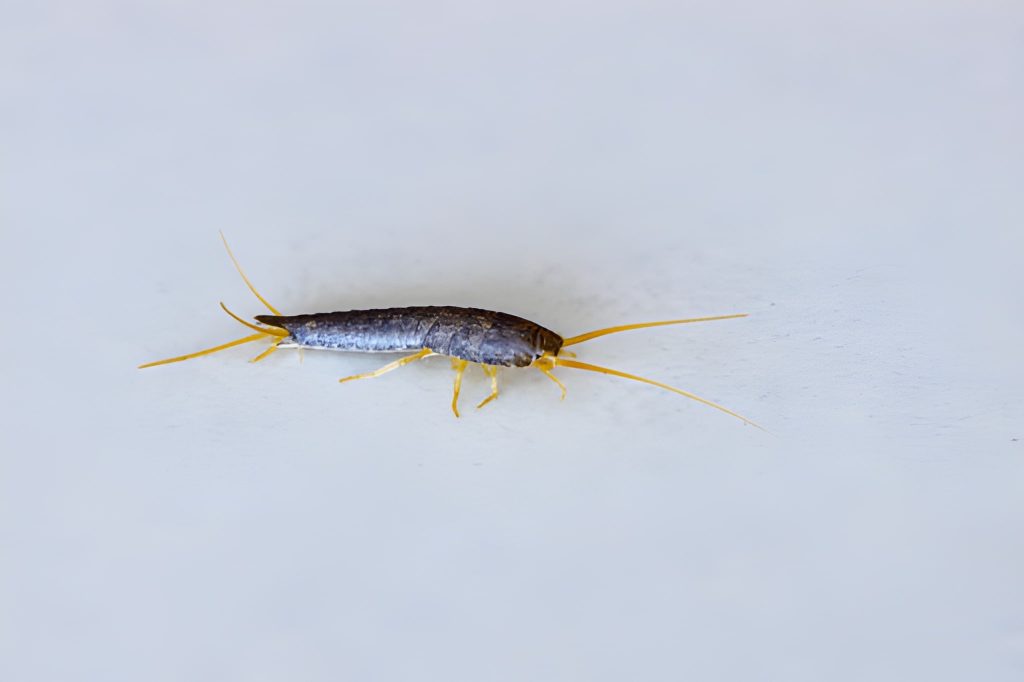
Silverfish are small, wingless insects known for their silver-grey appearance and quick movements.
They belong to a group of insects that have existed for millions of years and are commonly found in indoor environments where moisture and organic materials are available.
Silverfish are usually identified by:
Silver or grey coloured bodies
Long antennae
Three tail-like structures
Fast crawling movements
They are mainly active at night and often hide during the day.
Silverfish commonly feed on materials containing starches and carbohydrates, including:
Paper
Books
Cardboard
Glue
Wallpaper
Fabrics
Stored documents
Because of their feeding habits, they can damage valuable household items.
Why Are Silverfish Common in Sydney Homes?
Sydney’s climate can create suitable conditions for silverfish, especially in areas with humidity and moisture.
Silverfish are attracted to environments that provide:
Warm temperatures
High humidity
Dark hiding spaces
Food sources
Common areas where silverfish may appear include:
Bathrooms
Laundry rooms
Kitchens
Bedrooms
Storage cupboards
Basements
Garages
They often enter homes through small cracks, gaps, boxes, and stored items.
Signs You Need Silverfish Control Sydney
Silverfish are usually hidden, so identifying an infestation early can be challenging.
However, several signs may indicate a silverfish problem.
Seeing Silverfish at Night
Silverfish are nocturnal insects.
Seeing them during nighttime, especially in bathrooms or storage areas, can indicate their presence.
If you regularly notice silverfish, there may be more hiding nearby.
Damage to Books and Paper Items
Silverfish feed on materials containing starch and cellulose.
Signs of damage may include:
Small holes in books
Damaged paper edges
Chewed documents
Yellow stains on paper
If important documents or books show unexplained damage, silverfish may be responsible.
Damage to Clothing and Fabrics
Silverfish can damage fabrics, especially items stored for long periods.
You may notice:
Small holes
Irregular marks
Fabric damage
This is more common in wardrobes and storage areas.
Silverfish Droppings
Silverfish leave behind small droppings that may look like tiny dark marks.
These may appear near:
Bookshelves
Cupboards
Storage boxes
Wall gaps
Shed Skins
As silverfish grow, they shed their outer skins.
Finding these near hidden areas can indicate an active infestation.
Why Silverfish Are Difficult to Control
Many homeowners attempt to remove silverfish using basic methods, but infestations can continue because these pests are good at hiding.
Several factors make silverfish control challenging.
They Hide in Small Spaces
Silverfish can hide in narrow cracks and gaps that are difficult to access.
Common hiding places include:
Behind wallpaper
Inside wall cavities
Under flooring
Behind cupboards
Around pipes
They Are Active at Night
Because silverfish are mostly active after dark, infestations can go unnoticed for long periods.
By the time they become visible, the population may already be established.
They Reproduce Indoors
Silverfish can lay eggs in protected areas, allowing populations to continue growing if conditions remain suitable.
Simply removing visible insects may not solve the underlying problem.
Why Professional Silverfish Control Sydney Is Important
Professional Silverfish Control Sydney services provide a more complete approach compared with basic DIY solutions.
A professional pest control technician can:
Identify silverfish activity
Locate hiding areas
Assess infestation severity
Apply targeted treatments
Recommend prevention methods
The goal is not only to remove visible pests but also to address conditions that allow silverfish to survive.
How Silverfish Control Sydney Works
Professional silverfish treatment usually involves several steps.
Step 1: Property Inspection
The first step is a detailed inspection.
Technicians check areas where silverfish commonly hide, including:
Bathrooms
Storage spaces
Cupboards
Bookshelves
Laundry areas
Wall gaps
The inspection helps determine the extent of the infestation.
Step 2: Identifying Moisture Problems
Silverfish depend on moisture, so identifying humidity sources is an important part of control.
Common moisture issues include:
Leaking pipes
Poor ventilation
Damp storage areas
Water damage
Addressing moisture problems helps make the environment less suitable for silverfish.
Step 3: Targeted Treatment
Professional treatments are designed to reach silverfish hiding areas.
Depending on the situation, treatment may involve:
Targeted insect applications
Crack and gap treatments
Monitoring methods
Preventative measures
The approach depends on the property type and infestation level.
Step 4: Prevention Advice
After treatment, professionals often recommend steps to reduce future risks.
This may include:
Improving ventilation
Reducing humidity
Sealing entry points
Removing clutter
Protecting stored items
Common Areas Where Silverfish Hide
Understanding silverfish hiding areas can help with early detection.
Bathrooms
Bathrooms are attractive to silverfish because they often provide:
Humidity
Water sources
Dark spaces
Silverfish may hide near:
Pipes
Bathroom cabinets
Behind fixtures
Wall gaps
Kitchens
Kitchens may provide food sources and moisture.
Common hiding areas include:
Behind appliances
Inside cupboards
Under sinks
Around plumbing areas
Storage Areas
Storage spaces are common silverfish locations because they often contain materials they feed on.
Examples include:
Cardboard boxes
Old books
Documents
Clothing storage
Bedrooms and Wardrobes
Silverfish may enter wardrobes where they can damage stored fabrics.
Keeping clothing storage dry and organised can reduce risks.
Silverfish Control for Homes in Sydney
Residential silverfish infestations can affect comfort and damage personal belongings.
Professional control can help protect:
Family homes
Books
Clothing
Documents
Stored items
A complete treatment approach focuses on removing silverfish while improving conditions that encourage infestations.
Silverfish Control for Businesses
Businesses may also experience silverfish problems, especially those storing paper-based materials.
Common affected businesses include:
Offices
Libraries
Retail stores
Warehouses
Archives
Professional pest management can help protect valuable stock and maintain cleaner environments.
How to Prevent Silverfish Infestations
After treatment, prevention is essential for long-term protection.
Reduce Humidity Levels
Silverfish prefer moist environments.
You can reduce humidity by:
Using ventilation fans
Fixing leaks
Improving airflow
Using moisture control solutions
Store Items Properly
Protect items that silverfish may damage.
Helpful steps include:
Using sealed containers
Avoiding cardboard storage
Keeping documents protected
Organising storage areas
Seal Cracks and Gaps
Silverfish use small openings to move around.
Check and seal:
Wall cracks
Floor gaps
Pipe openings
Window gaps
Remove Clutter
Dark, undisturbed areas provide hiding spaces.
Regularly organising storage areas can reduce suitable hiding locations.
Keep Areas Clean and Dry
Regular cleaning helps reduce conditions that attract pests.
Pay attention to:
Bathrooms
Storage cupboards
Laundry areas
Kitchen spaces
DIY Silverfish Control vs Professional Treatment
Many homeowners try DIY methods before contacting professionals.
Common DIY approaches include:
Cleaning
Removing clutter
Store-bought sprays
Traps
Humidity reduction
These methods may help with minor problems but may not eliminate established infestations.
Professional control offers advantages because technicians can:
Identify infestation areas
Use appropriate treatments
Access hidden locations
Provide long-term prevention advice
For ongoing silverfish problems, professional assistance can provide a more complete solution.
How Much Does Silverfish Control Sydney Cost?
The cost of Silverfish Control Sydney depends on several factors.
Important pricing factors include:
Property size
Level of infestation
Treatment requirements
Number of visits
Residential or commercial needs
A small infestation may require a simpler approach, while larger problems may need more detailed treatment.
A professional inspection can help determine the most suitable option.
Benefits of Professional Silverfish Control Sydney Services
Hiring a professional pest control service provides several benefits.
These include:
Expert pest identification
Targeted treatment methods
Knowledge of silverfish behaviour
Reduced risk of recurring problems
Protection for valuable belongings
Professional advice on prevention
A structured approach is often more effective than repeatedly treating visible insects.
Protect Your Property With Silverfish Control Sydney
Silverfish may seem like a minor household pest, but they can cause damage to important belongings and become difficult to remove once established.
Because they hide in small spaces and prefer humid environments, early action is important.
Professional Silverfish Control Sydney services help identify infestations, apply effective treatments, and provide prevention strategies to keep homes and businesses protected.
By combining professional pest management with good storage habits, moisture control, and regular maintenance, you can reduce the risk of silverfish returning.
A cleaner, drier, and well-maintained property is one of the best ways to create an environment where silverfish are less likely to survive.
Frequently Asked Questions About Silverfish Control Sydney
What are silverfish?
Silverfish are small, wingless insects with silver-grey bodies that commonly live in dark, humid areas and feed on materials such as paper, cardboard, and fabrics.
Are silverfish harmful?
Silverfish are not considered dangerous to humans, but they can damage books, documents, clothing, wallpaper, and stored items.
Why do I have silverfish in my Sydney home?
Silverfish are attracted to warm, humid environments with moisture and food sources. Sydney’s climate can create suitable conditions for them.
How can I tell if I have a silverfish infestation?
Signs include seeing silverfish at night, finding damaged paper or clothing, noticing droppings, and discovering shed skins in hidden areas.
Can I remove silverfish without professional help?
Small problems may improve with cleaning and moisture control, but larger infestations often require professional treatment.
How long does silverfish control take?
The time required depends on infestation size, property conditions, and treatment methods used.
How can I prevent silverfish from returning?
Reduce humidity, fix leaks, seal cracks, store items properly, remove clutter, and maintain clean, dry areas.
How much does Silverfish Control Sydney cost?
The cost depends on property size, infestation severity, and treatment requirements. A professional inspection can provide accurate pricing information.