Establishing grass across a commercial property involves more than improving its appearance. Vegetation can help stabilize exposed soil, reduce surface erosion, and create a more finished landscape around offices, retail centers, industrial facilities, and newly developed communities. However, large sites often present challenges such as compacted ground, uneven terrain, construction debris, and limited time for landscaping work. Commercial hydroseeding services offer a practical option for distributing grass seed across extensive areas while helping protect the soil during the early stages of plant growth. Understanding the process can help property managers and contractors plan landscaping work more effectively.
What Commercial Hydroseeding Involves
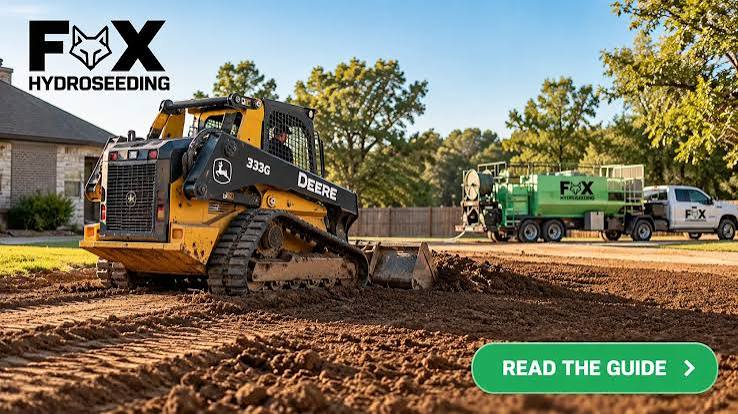
Hydroseeding uses a sprayed mixture containing water, grass seed, and mulch fibers to cover prepared soil. Depending on the project, the mixture may also contain fertilizer or selected soil amendments to support germination. The equipment distributes the material across the designated area, making the process useful for properties where manual seeding would require considerable time and labor.
Commercial hydroseeding services can be suitable for business campuses, roadside landscapes, construction developments, warehouse grounds, and other large properties. The method allows seed to be applied across open areas and certain irregular surfaces with relatively consistent coverage. However, the final outcome depends on factors such as soil preparation, grass selection, moisture, and weather. For commercial projects, coordinating the application with grading, drainage installation, and other site work helps create better conditions for successful vegetation establishment.
Preparing Commercial Sites for Successful Growth
Site preparation is especially important on commercial properties because construction activity can significantly affect soil conditions. Heavy machinery may compact the ground, while excavation and grading can leave uneven surfaces that encourage runoff. Rocks, construction waste, unwanted vegetation, and other debris may also interfere with seed-to-soil contact. Before hydroseeding begins, these conditions should be evaluated and addressed as needed.
Grading helps create a suitable surface and directs water away from buildings, paved areas, and other vulnerable locations. Soil testing can identify nutrient deficiencies or pH issues that may limit grass development. Where compaction is severe, loosening the soil may improve conditions for root growth. Drainage problems should also be corrected before application whenever possible, since persistent standing water can damage seedlings and interfere with establishment.
Property managers should coordinate landscaping preparation with construction schedules to avoid repeating work or damaging newly prepared ground. Completing utility installations, heavy equipment operations, and major grading before seeding can reduce unnecessary disruption. A clear preparation plan also makes it easier to identify which tasks belong to the general contractor and which are part of the landscaping scope.
Selecting Grass for Commercial Landscapes
The right grass variety depends on the property’s climate, intended use, sunlight, and maintenance budget. In North Texas, Bermuda grass is frequently used in sunny open spaces because it tolerates heat and regular activity. Zoysia may suit selected commercial landscapes where a dense appearance is desired, while other grass varieties may be appropriate for shaded locations or specific soil conditions.
Commercial landscapes often contain several different environments within the same property. Open fields may receive direct sunlight for most of the day, while narrow areas beside buildings remain shaded. Slopes may dry more quickly than flat ground, and spaces near parking lots may experience reflected heat. Selecting grass based on these differences can help prevent uneven establishment and reduce the need for later repairs.
Property managers should also consider how the finished landscape will be used. High-traffic areas near entrances may need more durable grass or a different surface treatment. Decorative spaces may have different appearance and mowing requirements from large open grounds. Matching the seed mixture to the site’s conditions and maintenance resources helps create a landscape that remains manageable after the initial installation.
Managing Erosion on Exposed Ground
Bare soil on a commercial site can become a problem during periods of heavy rainfall or strong wind. Water moving across an unprotected surface may carry sediment toward storm drains, sidewalks, roads, and neighboring properties. Wind can also move loose soil into parking areas and building entrances. Establishing vegetation helps provide longer-term soil protection as grass roots develop and hold the ground together.
The mulch layer used during hydroseeding can help protect seeds and reduce some surface movement while vegetation begins growing. However, it should not be treated as a complete erosion-control system for every site. Steep slopes, concentrated runoff channels, and areas exposed to strong water flow may require additional measures, such as erosion-control blankets, drainage improvements, sediment barriers, or engineered stabilization.
Construction managers should assess erosion risks before selecting a treatment method. Temporary controls may be needed while the grass establishes, particularly when rainfall is expected before roots have developed. Combining suitable vegetation with proper drainage and other necessary protective measures can help reduce sediment movement and support compliance with applicable site requirements.
Planning Budgets and Project Schedules
Commercial landscaping projects often operate within defined budgets and construction deadlines. Hydroseeding may be an efficient way to cover large areas, but costs vary according to site size, accessibility, preparation requirements, seed selection, and the amount of additional work involved. Comparing estimates requires reviewing the full scope rather than looking only at the price per unit of area.
When reviewing commercial hydroseeding services, property managers should request a written estimate that identifies the areas to be treated, the preparation included, the proposed seed mixture, and any exclusions. It is also useful to clarify how weather delays will affect scheduling and which party is responsible for irrigation after application. These details help contractors coordinate their work and allow property owners to plan the remaining landscaping activities.
Timing is another important consideration. Grass seed needs suitable conditions to germinate, and different varieties have different seasonal requirements. An application scheduled immediately before extreme heat or heavy rainfall may face additional challenges. Coordinating the work with regional weather patterns and the project’s construction milestones can improve the chances of successful establishment without creating avoidable delays.
Maintaining Grass After Application
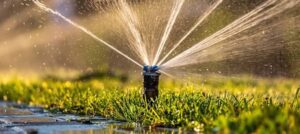
Once hydroseeding is complete, irrigation becomes one of the main factors affecting germination. The seeded surface generally needs consistent moisture during the early stages, with watering adjusted according to rainfall, temperature, soil type, and grass selection. Water should be applied gently to prevent the mixture from washing away or collecting in low areas.
As seedlings emerge, the maintenance schedule should gradually change to encourage deeper root growth. Newly seeded areas should be protected from unnecessary foot traffic and equipment until the grass is established enough to tolerate normal use. Mowing should begin only when the grass has reached a suitable height and the ground can support equipment without causing damage.
Commercial properties may require coordination between the hydroseeding contractor, irrigation team, maintenance staff, and property manager. Assigning responsibility for watering and monitoring prevents important tasks from being overlooked. Staff should also inspect the site for washouts, dry patches, standing water, and areas where seed coverage appears uneven. Addressing problems early can help avoid larger repairs later.
Choosing a Suitable Hydroseeding Provider
A commercial hydroseeding project requires a provider who understands the site’s size, ground conditions, schedule, and intended use. Property managers should ask about experience with similar projects, equipment access, soil preparation, grass selection, and aftercare recommendations. References or examples of comparable work can provide useful context, particularly when the project involves large open areas or challenging terrain.
Fox Hydroseeding provides information about hydroseeding and vegetation establishment for residential and commercial applications. When evaluating any provider, look for clear communication, a defined scope of work, and realistic explanations of what affects grass growth. Ask whether site preparation is included and what additional erosion-control measures may be necessary. Understanding these details before work begins can make planning more predictable and help all parties understand their responsibilities.
Conclusion
Commercial hydroseeding can help establish vegetation across large properties while supporting soil protection and landscape development. Its effectiveness depends on careful site preparation, suitable grass selection, appropriate scheduling, and consistent aftercare. By evaluating the property’s needs and coordinating landscaping with construction activities, property managers can make informed decisions that support healthy grass growth and more manageable long-term maintenance.