Silica gel is one of the most commonly used moisture-absorbing materials for protecting products during storage, packaging, and transportation. From electronics and footwear to pharmaceuticals, clothing, machinery, and sensitive equipment, silica gel helps control humidity and reduce the risk of moisture-related damage.
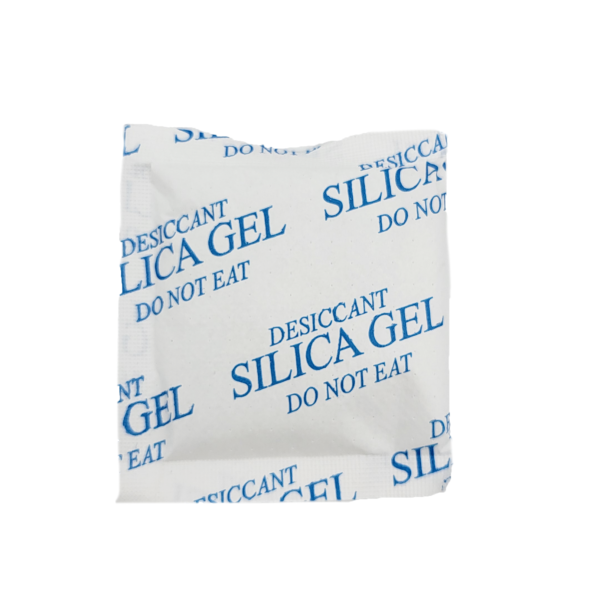
You have probably noticed small packets labelled “Do Not Eat” inside shoe boxes, handbags, electronic packaging, or product containers. These packets contain silica gel beads designed to capture moisture from the surrounding air.
Although they may appear insignificant, these small packets play an important role in protecting products against excess humidity. Moisture can contribute to corrosion, mould growth, unpleasant odours, and deterioration of sensitive materials.
For manufacturers, retailers, warehouses, and packaging businesses, controlling moisture is essential for maintaining product quality and reducing preventable losses.
However, not every silica gel product performs the same way. Differences in bead size, adsorption capacity, indicator chemicals, packaging materials, and intended applications can influence effectiveness.
Understanding how silica gel works, its different types, and the correct methods of use can help businesses and individuals choose suitable moisture-control solutions.
What Is Silica Gel?
Silica gel is a porous form of silicon dioxide, a compound made from silicon and oxygen.
Despite its name, silica gel is not a liquid or soft gel. It is typically supplied as small, hard beads or granules with a highly porous internal structure.
These microscopic pores create a large internal surface area, allowing the material to capture water vapour from the surrounding atmosphere.
Silica gel is classified as a desiccant, meaning it is used to remove moisture from its environment.
It is commonly placed inside breathable sachets, containers, and specialised drying systems.
The material is widely used because it can adsorb moisture without requiring electricity or complicated equipment.
Silica gel is available in several grades, including non-indicating and indicating varieties.
Some products change colour as they become exposed to moisture, while others remain visually unchanged.
The effectiveness of silica gel depends on humidity, temperature, exposure time, and the quantity used.
For many packaging applications, it provides a convenient way to manage moisture inside enclosed spaces.
How Does Silica Gel Work?
Silica gel works through a process called adsorption.
Adsorption occurs when water vapour molecules attach to the surface of a material.
Each silica gel bead contains numerous microscopic pores that provide a large internal surface area.
When the beads are exposed to humid air, water vapour moves into these pores and attaches to their surfaces.
As moisture is captured, the humidity inside the surrounding enclosed environment can decrease.
This process helps protect products that may be damaged by excess moisture.
For example, a sealed container holding electronic components may contain a small amount of water vapour.
Placing an appropriate quantity of silica gel inside the container can help reduce humidity and limit moisture exposure.
However, silica gel has a finite adsorption capacity.
Once the material reaches equilibrium under the surrounding conditions, it cannot continue removing moisture at the same rate.
The amount of moisture it can hold varies according to relative humidity and temperature.
For best results, silica gel should be used inside packaging that limits the entry of additional humid air.
Why Is Silica Gel Important for Moisture Control?
Excess moisture can affect products during manufacturing, storage, shipping, and long-term preservation.
Humidity-related damage may develop gradually, making it difficult to identify until the product is opened or used.
Silica gel helps manage these risks by reducing water vapour inside suitable enclosed environments.
Preventing Corrosion
Metal components can corrode when exposed to moisture and oxygen.
Controlling humidity may help reduce corrosion risks during storage.
Reducing Mould Growth
Mould can develop on susceptible materials when moisture and environmental conditions support its growth.
Lower humidity may reduce the likelihood of mould development.
Protecting Electronics
Sensitive electronic components may experience corrosion or performance problems when exposed to excessive moisture.
Maintaining Product Quality
Certain products can change in appearance, texture, or performance when stored in humid conditions.
Supporting Long-Term Storage
Moisture control is particularly useful for products stored for extended periods.
Reducing Shipping Damage
Goods transported through different climates may experience changing humidity and temperature conditions.
Using silica gel as part of a suitable packaging system can help reduce moisture-related deterioration.
Different Types of Silica Gel
Silica gel is available in several forms designed for different moisture-control applications.
White Silica Gel
White silica gel is a common non-indicating desiccant.
It usually appears as clear or white beads and does not visibly change colour as it captures moisture.
This type is widely used in general packaging, footwear, electronics, and storage applications.
Blue Indicating Silica Gel
Traditional blue indicating silica gel contains cobalt chloride, which changes colour as moisture exposure increases.
Cobalt chloride presents health and environmental hazards, so products containing it require careful handling and may be restricted in certain applications.
Orange Indicating Silica Gel
Orange indicating silica gel contains a moisture indicator that changes colour during adsorption.
Some products are marketed as cobalt-free alternatives.
However, the indicator chemistry and colour transition vary between manufacturers.
Silica Gel Sachets
Silica gel sachets contain beads inside moisture-permeable packaging.
They are convenient for product boxes, storage containers, and shipping cartons.
Bulk Silica Gel Beads
Bulk beads are supplied in larger quantities for industrial drying systems and refillable containers.
Silica Gel Canisters
Canisters contain desiccant material inside a rigid container designed to allow moisture exposure while retaining the beads.
Choosing the correct silica gel type depends on the intended application, safety requirements, and moisture-control objectives.
Key Benefits of Using Silica Gel
Silica gel offers several practical advantages for businesses and individuals seeking reliable moisture management.
One of its main benefits is that it can capture water vapour without requiring an external power source.
It is also compact, lightweight, and available in convenient packaging formats.
Additional benefits include:
- Effective moisture adsorption: Captures water vapour under suitable environmental conditions.
- Compact design: Fits inside small packages and storage containers.
- Versatile applications: Suitable for electronics, footwear, clothing, and industrial products.
- Convenient packaging: Available in sachets, canisters, and bulk beads.
- Potential reusability: Certain products can be regenerated according to manufacturer instructions.
- Long storage potential: Unused material can remain effective when properly sealed.
- Reduced moisture-related damage: Helps protect sensitive products when correctly selected.
- Multiple product options: Available in different grades, sizes, and packaging formats.
These advantages make silica gel useful for many commercial and personal storage applications.
However, performance depends on the amount used, the surrounding humidity, and the quality of the packaging system.
Common Uses of Silica Gel in Different Industries
Silica gel is widely used because many products are sensitive to moisture.
Electronics Industry
Manufacturers may include silica gel packets in packaging for electronic components, cameras, and sensitive instruments.
Pharmaceutical Industry
Certain pharmaceutical packaging systems use appropriately specified desiccants to control moisture exposure.
These applications require suitable materials and compliance with relevant quality requirements.
Clothing and Footwear
Silica gel packets are commonly placed inside shoe boxes, handbags, and clothing packaging to reduce humidity.
Food Packaging
Some food packaging applications use desiccants designed and documented for the intended food-contact conditions.
Not every silica gel product is suitable for direct food contact.
Industrial Equipment
Machinery parts, metal components, and tools may be packaged with silica gel during storage or transportation.
Photography Equipment
Camera lenses and accessories may benefit from controlled humidity inside suitable storage containers.
Collectibles and Documents
Silica gel may be used in carefully managed storage systems for certain collectibles, documents, and other moisture-sensitive items.
The versatility of silica gel makes it valuable across numerous industries.
Silica Gel for Electronics and Electrical Equipment
Electronic devices and components can be sensitive to moisture, particularly during long-term storage or transportation.
Excess humidity may contribute to corrosion on connectors, contacts, and circuit components.
Temperature changes can also create condensation risks.
For example, electronic equipment moved from a cold environment into warm, humid air may develop condensation if exposed before reaching the surrounding temperature.
Silica gel packets can help manage moisture inside appropriately sealed packaging.
Common applications include cameras, circuit boards, optical equipment, and sensitive measuring instruments.
However, silica gel does not guarantee protection against every moisture-related problem.
Packaging design, temperature conditions, moisture barriers, and desiccant quantity all affect performance.
For sensitive electronic components, manufacturers may use moisture-barrier bags and humidity indicator cards alongside desiccants.
When correctly selected, silica gel can support a broader moisture-protection strategy.
Using Silica Gel for Shoes, Clothing, and Leather Goods
Shoes, handbags, clothing, and leather accessories are often stored in wardrobes, cartons, and enclosed cabinets.
These spaces may experience increased humidity, particularly in damp climates or poorly ventilated rooms.
Excess moisture can contribute to mould growth, unpleasant odours, and deterioration of susceptible materials.
Silica gel packets may help reduce humidity inside suitable storage containers.
For example, placing an appropriately sized sachet inside a sealed shoe box can help protect footwear during extended storage.
Leather handbags and accessories may also benefit from controlled humidity.
However, excessively dry conditions can be unsuitable for certain leather products.
Silica gel should therefore be used as part of a balanced storage approach rather than attempting to remove all moisture.
Products should be clean and dry before storage.
Silica gel cannot reliably repair items that are already wet, mouldy, or damaged.
Silica Gel in Food and Pharmaceutical Packaging
Moisture control is important for certain food and pharmaceutical products.
Some products may lose quality or stability when exposed to excessive humidity.
For example, moisture-sensitive tablets, capsules, and packaged ingredients may require carefully designed packaging systems.
Silica gel can help reduce humidity inside suitable containers.
However, food and pharmaceutical applications require additional precautions.
Desiccants must be appropriate for the intended use and meet applicable regulatory and quality requirements.
The sachet or container must also be designed to prevent unwanted contact or contamination.
Businesses should not assume that ordinary industrial silica gel is suitable for food or pharmaceutical packaging.
Manufacturers should review relevant product documentation and validate the packaging system.
When properly specified, silica gel can help maintain suitable storage conditions for moisture-sensitive products.
How to Choose the Right Silica Gel for Your Needs
Selecting silica gel requires understanding the environment and the product being protected.
Consider the Application
Electronics, footwear, pharmaceuticals, and industrial equipment may require different desiccant specifications.
Evaluate Moisture Sensitivity
Products with strict humidity requirements may need carefully calculated desiccant quantities.
Check Packaging Quality
Moisture-resistant packaging can help slow the entry of humid air.
Review Storage Duration
Long-term storage may require greater moisture capacity than short-term packaging.
Consider Temperature and Humidity
Environmental conditions influence adsorption performance.
Select the Appropriate Format
Sachets are convenient for product packaging, while bulk beads may be suitable for refillable drying systems.
Review Safety Information
Indicating silica gel products may contain additional chemicals requiring special handling.
Compare Supplier Specifications
Reliable suppliers should provide adsorption data, safety documentation, and relevant product information.
The best silica gel product is one that matches the application rather than simply offering the lowest price.
How Much Silica Gel Should You Use?
The required amount of silica gel depends on several factors.
One important consideration is the volume of the enclosed space.
Larger containers generally hold more air and may require additional desiccant.
However, package volume alone does not determine the correct quantity.
The moisture content of the products and packaging materials must also be considered.
For example, cardboard packaging may contain moisture before the product is sealed.
Storage duration is another important factor.
Products stored for extended periods may require greater moisture capacity.
The permeability of the packaging material also affects performance.
If humid air continuously enters the container, the desiccant may become saturated quickly.
Temperature and relative humidity influence how much moisture the material can adsorb.
For critical applications, silica gel quantity should be calculated using manufacturer data and validated packaging requirements.
Using too little may provide inadequate protection, while excessive quantities may increase costs unnecessarily.
Can Silica Gel Be Reused?
Certain silica gel products can be regenerated after becoming saturated with moisture.
Regeneration involves removing adsorbed water so the material can capture moisture again.
This is commonly achieved through controlled heating.
However, the correct temperature and duration depend on the product formulation and manufacturer instructions.
Not every silica gel sachet is suitable for regeneration.
Some packaging materials, adhesives, and indicator chemicals may be damaged by heat.
Certain indicating products may also contain hazardous substances requiring additional precautions.
For these reasons, users should avoid heating silica gel packets without checking the manufacturer’s guidance.
Silica gel used in food, pharmaceutical, medical, or other regulated applications should not be reused unless the relevant process specifically permits and validates reuse.
Where appropriate, reusable silica gel can help reduce replacement costs and material waste.
After regeneration, the material should be stored in a suitable airtight container until required.
Is Silica Gel Safe to Use?
Standard non-indicating silica gel generally has relatively low toxicity when used as intended.
However, silica gel should never be eaten.
The familiar warning printed on many desiccant packets is intended to discourage ingestion and misuse.
Small packets can also present choking hazards, particularly for children and pets.
Some indicating silica gel products contain chemical additives that may present additional hazards.
Traditional blue indicating silica gel may contain cobalt chloride, which requires careful handling.
Users should review the product’s safety data sheet and follow the manufacturer’s recommendations.
Silica gel dust may irritate the eyes or respiratory system.
If silica gel is swallowed, seek advice from a poison information service or appropriate healthcare professional, especially if symptoms occur or the product contains an unknown indicator.
For pets, contact a veterinarian.
Businesses purchasing silica gel should select products with suitable safety documentation and store them securely.
Buying Silica Gel in Bulk
Businesses that regularly package moisture-sensitive products may benefit from purchasing silica gel in wholesale quantities.
Bulk purchasing can simplify inventory management and may reduce the unit cost.
Silica gel is available in sachets, loose beads, canisters, and other packaging formats.
Before placing an order, buyers should review several factors.
Product Grade
Confirm that the silica gel is suitable for the intended application.
Adsorption Performance
Review manufacturer data showing moisture adsorption under relevant conditions.
Sachet Quality
Packaging should allow water vapour to enter while keeping the beads contained.
Indicator Chemistry
Check whether indicating products contain substances that require special handling.
Minimum Order Quantity
Some suppliers require minimum quantities for customised sachets or packaging.
Storage Requirements
Unused silica gel should remain protected from moisture before use.
Delivery Reliability
Choose suppliers capable of maintaining consistent stock availability.
A dependable silica gel supplier should provide accurate specifications, clear safety information, and reliable delivery.
How to Store Silica Gel Properly
Silica gel begins adsorbing moisture when exposed to humid air.
Improper storage can therefore reduce its remaining adsorption capacity before use.
Unused silica gel should be stored in airtight or appropriately moisture-resistant packaging.
Original sealed containers should remain closed until the material is needed.
Businesses using large quantities should open only the amount required for immediate packaging operations.
Storage areas should be clean and dry.
Employees should avoid leaving silica gel sachets exposed on packing tables for extended periods.
Inventory rotation can help maintain organised stock.
Packaging should also be inspected for damage before use.
Proper storage helps silica gel retain its intended moisture-control performance and reduces unnecessary waste.
Silica Gel vs Other Desiccants
Silica gel is one of several materials used for moisture control.
Other common desiccants include clay, molecular sieves, and calcium chloride.
Silica Gel
Silica gel is widely used because of its adsorption properties, availability, and versatility.
It is suitable for many general packaging applications.
Clay Desiccants
Clay desiccants are often used in industrial packaging.
Their performance varies with temperature and humidity conditions.
Molecular Sieves
Molecular sieves have controlled pore structures and can be effective in specialised applications requiring very low moisture levels.
Calcium Chloride
Calcium chloride is highly hygroscopic and may absorb enough moisture to form a liquid solution.
It is commonly used in certain moisture collection and container drying applications.
However, leakage must be considered.
The best desiccant depends on the required humidity level, operating conditions, packaging design, and cost.
For many general packaging applications, silica gel offers a useful balance of performance and convenience.
Environmental Considerations of Silica Gel
Silica gel is a mineral-based material that can sometimes be regenerated and reused.
This may help reduce waste in applications where regeneration is practical and safe.
However, not every product is suitable for reuse.
Disposable sachets, indicator chemicals, and contaminated materials may require specific disposal procedures.
Businesses should review manufacturer recommendations before regenerating or discarding silica gel.
Packaging materials also influence environmental impact.
Some suppliers offer alternative sachet materials or refillable containers.
Businesses can reduce unnecessary consumption by selecting the correct desiccant quantity and maintaining suitable storage conditions.
A responsible silica gel strategy should focus on effective moisture protection while avoiding unnecessary material waste.
Common Mistakes to Avoid When Using Silica Gel
One common mistake is using silica gel inside packaging that allows excessive humid air to enter.
Even a large quantity of desiccant may become saturated quickly if the packaging has a poor moisture barrier.
Another mistake is selecting the quantity based only on container size.
Product moisture content, storage duration, and environmental conditions also matter.
Businesses should avoid using silica gel that has been exposed to open air for extended periods.
This can reduce its remaining adsorption capacity.
Another mistake is assuming that every silica gel product is suitable for food or pharmaceutical applications.
These uses may require specialised materials and compliance documentation.
Users should also avoid regenerating sachets without checking whether the packaging and indicator chemicals can withstand heat.
Correct selection and handling help silica gel perform effectively.
Frequently Asked Questions About Silica Gel
1. What is silica gel used for?
Silica gel is used to control moisture inside packaging, storage containers, and protective enclosures. Common applications include electronics, footwear, clothing, pharmaceuticals, industrial equipment, and sensitive instruments. It helps reduce humidity and may lower the risk of moisture-related damage when correctly selected and used.
2. How does silica gel absorb moisture?
Silica gel captures water vapour through adsorption. Its porous structure provides a large internal surface area where water molecules attach. This process reduces moisture in the surrounding enclosed environment. The amount of water vapour it can hold depends on temperature, relative humidity, and product specifications.
3. Is silica gel toxic?
Standard non-indicating silica gel generally has low toxicity when used as intended, but it should not be eaten. Packets can present choking hazards, and certain indicating products contain hazardous chemicals. Always follow product safety information and keep silica gel away from children and pets.
4. Can silica gel be reused?
Certain silica gel products can be regenerated through controlled heating according to manufacturer instructions. However, not every sachet or indicating product is suitable for regeneration. Users should verify the recommended procedure before attempting reuse.
5. How long does silica gel last?
The useful life of silica gel depends on humidity, temperature, packaging quality, and the amount of moisture it must capture. Inside well-sealed packaging, it may remain effective for an extended period. In continuously humid environments, it can become saturated much faster.
6. Can silica gel prevent mould?
Silica gel can help reduce humidity inside suitable enclosed spaces, which may lower the risk of mould growth on susceptible materials. However, it does not kill existing mould or guarantee mould prevention. Proper cleaning, drying, and storage conditions remain essential.
7. What is the difference between white and orange silica gel?
White silica gel is generally non-indicating and does not visibly change colour as it captures moisture. Orange indicating silica gel contains an indicator that changes colour with moisture exposure. The exact indicator chemistry and colour transition depend on the manufacturer.
8. Where can I buy silica gel in bulk?
Silica gel is available from packaging suppliers, industrial chemical distributors, moisture-control specialists, and wholesale packaging companies. Before purchasing, compare adsorption performance, product grades, sachet sizes, safety documentation, minimum order quantities, and delivery costs.
Conclusion
Silica gel is a practical and widely used moisture-control material that helps protect products during packaging, storage, and transportation.
Its porous structure allows it to capture water vapour from the surrounding air, helping reduce humidity-related risks such as corrosion, mould growth, and product deterioration.
From electronics and pharmaceuticals to footwear, clothing, and industrial equipment, silica gel supports moisture protection across numerous industries.
However, effective moisture management depends on selecting the correct product, using an appropriate quantity, and combining it with suitable packaging.
Businesses should also consider safety information, storage conditions, supplier reliability, and relevant regulatory requirements.
Whether you need small desiccant sachets for retail packaging or bulk beads for industrial applications, choosing quality silica gel can help maintain product condition and reduce preventable moisture damage.
With the right moisture-control strategy, businesses can protect sensitive goods, manage packaging costs, and improve the reliability of their storage and shipping operations.