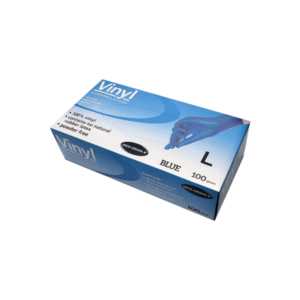
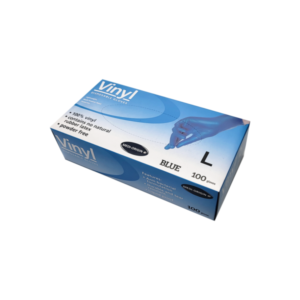
Disposable gloves are essential protective products used in healthcare, food handling, cleaning, laboratories, beauty services, and industrial workplaces. They provide a convenient barrier between the hands and potentially harmful substances, helping reduce direct contact with contaminants while supporting everyday hygiene and safety procedures.
Whether employees are preparing food, cleaning surfaces, examining patients, or handling chemicals, choosing the right gloves is important. Different materials offer different levels of protection, comfort, flexibility, and durability.
Nitrile, latex, vinyl, and polyethylene are among the most common materials used to manufacture single-use gloves. Each has specific advantages and limitations depending on the intended application.
For businesses that purchase protective equipment regularly, selecting suitable disposable gloves can also influence operating costs, employee comfort, and workplace efficiency.
However, not all gloves provide the same protection. Material composition, thickness, chemical resistance, sizing, and product certification should be considered before purchasing.
This guide explains the different types of disposable gloves, their benefits, common applications, safety considerations, and important factors to evaluate when buying gloves in bulk.
What Are Disposable Gloves?
Disposable gloves are single-use protective hand coverings designed to provide a temporary barrier between the skin and surrounding materials.
They are commonly manufactured from synthetic or natural materials, including nitrile rubber, natural rubber latex, vinyl, and polyethylene.
Unlike reusable gloves, disposable products are intended to be discarded after a specific task or when they become contaminated, damaged, or unsuitable for continued use.
Their main purpose is to reduce direct hand contact with certain contaminants, substances, and surfaces.
For example, healthcare workers may wear certified examination gloves during patient care, while food handlers may use suitable gloves when preparing ready-to-eat products.
Cleaning professionals may use chemical-compatible gloves to reduce exposure to selected cleaning substances.
The protection provided by disposable gloves depends on the material, product quality, and intended use.
General-purpose gloves should not automatically be substituted for medical or specialised chemical-resistant gloves.
Why Are Disposable Gloves Important?
Hands frequently come into contact with surfaces, equipment, products, and potentially contaminated materials.
In many workplaces, direct contact can create hygiene concerns or increase exposure to hazardous substances.
Disposable gloves help reduce these risks by creating a temporary protective barrier.
For healthcare professionals, appropriate gloves can help prevent direct contact with blood and body fluids.
In food preparation, gloves may support hygienic handling when combined with proper handwashing and regular replacement.
In cleaning environments, suitable gloves can help reduce contact with selected chemicals and contaminated surfaces.
However, gloves are not a replacement for hand hygiene.
Hands can become contaminated during glove removal, and gloves themselves can transfer contaminants between surfaces.
Businesses should establish clear procedures for when gloves are required, how they should be used, and when they must be replaced.
Correctly selected disposable gloves support safer working practices while helping organisations maintain consistent hygiene standards.
Different Types of Disposable Gloves
Disposable gloves are available in several materials, each designed for different applications.
Nitrile Disposable Gloves
Nitrile gloves are manufactured from synthetic nitrile butadiene rubber.
They offer flexibility, puncture resistance, and protection against selected chemicals.
Because they do not contain natural rubber latex proteins, nitrile gloves are commonly chosen for workplaces concerned about latex allergies.
Latex Disposable Gloves
Latex gloves are made from natural rubber latex.
They are known for excellent elasticity, close fit, and tactile sensitivity.
However, natural rubber latex proteins can cause allergic reactions in sensitive individuals.
Vinyl Disposable Gloves
Vinyl gloves are manufactured from polyvinyl chloride.
They are often used for selected short-duration, low-risk tasks.
Compared with nitrile and latex, vinyl generally provides less elasticity and a looser fit.
Polyethylene Disposable Gloves
Polyethylene gloves are lightweight plastic gloves commonly used for certain food handling and general-purpose activities.
They are generally loose-fitting and suitable for tasks requiring frequent replacement.
Specialised Disposable Gloves
Some gloves are designed for particular environments, including cleanrooms, laboratories, or medical procedures.
These products may have specific performance and certification requirements.
Choosing the right disposable gloves involves matching material characteristics to the actual workplace hazards.
Key Benefits of Using Disposable Gloves
Disposable gloves offer several practical advantages for businesses and individuals.
Convenient Hand Protection
They provide a temporary barrier against certain contaminants and substances.
Easy Replacement
Single-use gloves can be changed quickly between tasks.
Multiple Material Options
Businesses can select nitrile, latex, vinyl, or polyethylene depending on their requirements.
Improved Hygiene Practices
When used correctly, gloves can support contamination-control procedures.
Comfortable Designs
Many disposable gloves are available in different sizes and flexible materials.
Reduced Cleaning Requirements
Unlike reusable gloves, disposable products do not require laundering or cleaning between uses.
Versatile Applications
They are suitable for healthcare, hospitality, cleaning, laboratories, and selected industrial activities.
Bulk Purchasing Availability
Disposable gloves are commonly supplied in boxes and cartons for commercial use.
These advantages make disposable gloves useful across numerous industries.
However, their effectiveness depends on appropriate selection, correct handling, and timely replacement.
Common Uses of Disposable Gloves in Different Industries
Disposable gloves are used in many workplaces where hygiene or hand protection is required.
Healthcare
Medical professionals wear suitable gloves during examinations, procedures, and activities involving potential exposure to biological contaminants.
Food Preparation
Food businesses use appropriate gloves during selected food handling tasks.
Cleaning Services
Cleaning professionals may wear gloves when handling contaminated surfaces or compatible cleaning products.
Laboratories
Laboratory workers use gloves for selected biological, chemical, and research activities.
Beauty and Personal Care
Beauty professionals may wear gloves during treatments requiring hygienic hand protection.
Automotive Workshops
Mechanics often use nitrile gloves when handling grease, oils, and certain automotive substances.
Manufacturing
Industrial workers may use disposable gloves for selected assembly, inspection, and maintenance activities.
The versatility of disposable gloves makes them a practical option for businesses seeking convenient protective equipment.
Disposable Gloves for Healthcare and Medical Use
Healthcare environments require careful infection prevention and protective equipment procedures.
Medical examination gloves are commonly used during patient care when contact with blood, body fluids, or potentially contaminated materials is expected.
Nitrile and latex are among the materials used for medical examination gloves.
However, healthcare facilities must consider natural rubber latex allergies.
Many organisations use nitrile gloves as a latex-free alternative.
Medical gloves must meet applicable regulatory requirements.
General-purpose industrial gloves should not automatically be used for medical procedures.
Certain procedures also require sterile gloves.
Non-sterile examination gloves are not suitable when sterile protection is necessary.
Healthcare workers must change gloves between patients and perform hand hygiene according to established procedures.
Correctly selected disposable gloves help support infection prevention practices when used alongside appropriate training and other protective measures.
Disposable Gloves for Food Handling and Preparation
Food businesses often use disposable gloves during selected preparation and serving activities.
Restaurants, cafés, bakeries, catering companies, and food processing facilities may use gloves to support hygienic food handling.
However, not every disposable glove is suitable for direct food contact.
Businesses should verify that products meet applicable food-contact requirements.
Nitrile, vinyl, and polyethylene gloves are commonly used in food preparation environments.
The best material depends on the task, required dexterity, and relevant safety considerations.
Workers must change gloves when switching between incompatible activities.
For example, gloves used to handle raw poultry should not be used to prepare ready-to-eat salads.
Handwashing remains essential because gloves can become contaminated during use.
Gloves should also be replaced when torn or damaged.
Properly selected disposable gloves can support food hygiene procedures, but they do not eliminate the need for safe food handling practices.
Disposable Gloves for Cleaning and Janitorial Services
Cleaning professionals regularly encounter dirt, contaminated surfaces, and cleaning chemicals.
Disposable gloves may provide suitable protection for certain cleaning activities.
Nitrile gloves are commonly selected because they offer resistance to selected cleaning substances and provide a comfortable fit.
However, thin disposable gloves are not appropriate for every chemical.
Strong solvents, concentrated cleaning products, and prolonged exposure may require specialised reusable chemical-resistant gloves.
Cleaning businesses should review safety data sheets and manufacturer chemical compatibility information before selecting gloves.
Employees should inspect gloves for damage and replace them when necessary.
Workers should also avoid touching personal belongings while wearing contaminated gloves.
For suitable tasks, disposable gloves offer convenient hand protection and support cleaner working practices.
Disposable Gloves for Laboratories and Research Facilities
Laboratories require protective gloves for many activities involving chemicals, biological samples, and sensitive equipment.
Nitrile gloves are commonly used because they provide flexibility and resistance to certain chemicals.
Latex gloves may also be suitable for selected biological laboratory activities when allergy risks are appropriately managed.
However, no single glove material protects against every chemical.
Some substances can permeate glove materials without causing visible damage.
Other chemicals may weaken or degrade the glove.
Laboratory workers should review manufacturer chemical resistance data before selecting protective gloves.
Specialised gloves may be required for hazardous substances.
Certain procedures may also require extended cuffs, double-gloving, or additional protective equipment.
Appropriate disposable gloves should be selected according to a laboratory risk assessment rather than convenience alone.
Nitrile vs Latex vs Vinyl Disposable Gloves
Nitrile, latex, and vinyl are three common materials used for disposable hand protection.
Nitrile Gloves
Nitrile gloves are synthetic and do not contain natural rubber latex proteins.
They generally offer good puncture resistance and protection against selected oils and chemicals.
They are widely used in healthcare, cleaning, laboratories, and automotive work.
Latex Gloves
Latex gloves provide excellent elasticity and tactile sensitivity.
They are suitable for selected healthcare and general-purpose applications.
However, natural rubber latex allergies must be considered.
Vinyl Gloves
Vinyl gloves are generally less elastic than nitrile or latex.
They may be suitable for certain short-duration, low-risk tasks.
Their protective performance depends on product specifications.
The best disposable gloves depend on the intended application, exposure risks, comfort requirements, and relevant certifications.
Businesses should avoid assuming that the most expensive or thickest material is automatically the safest choice.
Powder-Free vs Powdered Disposable Gloves
Disposable gloves are available in different manufacturing finishes.
Historically, some gloves contained loose powder to make them easier to put on.
However, powder can create contamination concerns and contribute to certain health risks.
In the United States, powdered medical gloves are prohibited because of their associated risks.
Powder-free gloves are widely used in healthcare, laboratories, food preparation, and other professional environments.
They are manufactured using processes that allow easier application without loose donning powder.
However, powder-free construction does not automatically mean that a glove is hypoallergenic.
For example, powder-free latex gloves still contain natural rubber latex proteins.
Some nitrile gloves may also contain chemical additives capable of causing skin reactions.
Businesses should choose disposable gloves according to their intended use, applicable regulations, and employee sensitivity considerations.
How to Choose the Best Disposable Gloves
Selecting suitable gloves requires reviewing several important factors.
Material
Choose nitrile, latex, vinyl, polyethylene, or another material according to the task.
Size
Gloves should fit securely without restricting movement or creating excessive looseness.
Thickness
Thickness can influence durability and tactile sensitivity.
However, it does not determine protection against every hazard.
Chemical Resistance
Review manufacturer compatibility information when gloves will be used with chemicals.
Product Certification
Medical, food-contact, and industrial gloves may have different requirements.
Grip and Texture
Textured surfaces may improve handling during certain tasks.
Cuff Length
Extended cuffs may provide additional coverage when necessary.
Supplier Reliability
Choose suppliers that provide accurate specifications and consistent product quality.
The best disposable gloves are those that provide suitable protection while remaining comfortable and practical for everyday use.
Understanding Glove Thickness and Durability
Disposable glove thickness is commonly measured in millimetres, microns, or mils.
One mil equals one-thousandth of an inch.
Thinner gloves are often selected for tasks requiring precise finger movement.
Thicker products may provide greater resistance to physical wear.
However, thicker gloves are not necessarily suitable for every chemical exposure.
Chemical resistance depends on material composition, exposure duration, temperature, and the substance involved.
Puncture resistance is another consideration.
No disposable glove is completely resistant to sharp objects.
Workers handling needles, blades, or other sharp materials may require additional safety measures.
Businesses should review product performance data rather than relying only on advertised thickness.
Appropriately selected disposable gloves should match the specific hazards and working conditions.
How to Wear and Remove Disposable Gloves Correctly
Proper glove use is essential for maintaining hygiene and reducing contamination risks.
Before wearing gloves, perform hand hygiene according to the relevant workplace procedure.
Ensure hands are dry and inspect the gloves for visible damage.
Choose the correct size and confirm that the gloves are suitable for the intended task.
During use, avoid touching unnecessary surfaces such as mobile phones or personal belongings.
Replace gloves when they become damaged, contaminated, or unsuitable for continued use.
To remove gloves, grasp the outside of one glove near the wrist.
Peel it away, turning it inside out.
Hold the removed glove in the remaining gloved hand.
Slide the fingers of the ungloved hand beneath the wrist of the second glove and peel it off over the first.
Discard both gloves in the appropriate waste container.
Perform hand hygiene after removal.
Correct handling helps ensure disposable gloves support workplace hygiene procedures.
Buying Disposable Gloves in Bulk
Businesses that regularly use protective gloves may benefit from wholesale purchasing.
Bulk orders can simplify inventory management and may reduce the cost per glove.
Healthcare facilities, food businesses, cleaning companies, and laboratories often require consistent supplies.
Before placing an order, buyers should review several factors.
Product Material
Confirm whether the gloves are nitrile, latex, vinyl, or polyethylene.
Intended Use
Ensure the product is suitable for medical, food-contact, industrial, or general-purpose applications as required.
Size Availability
Choose suppliers that stock the sizes needed by employees.
Packaging Quantity
Compare the actual number of gloves supplied per box or carton.
Product Certification
Review relevant compliance documentation.
Delivery Costs
Compare total delivered prices rather than advertised box prices alone.
Supplier Reliability
Choose suppliers capable of maintaining consistent stock availability.
A dependable disposable gloves supplier should provide clear specifications, transparent pricing, and reliable delivery.
How to Store Disposable Gloves Properly
Storage conditions can influence glove quality and performance.
Disposable gloves should generally be stored in a clean, dry environment away from direct sunlight and excessive heat.
Different materials may have specific storage requirements.
For example, natural rubber latex can deteriorate when exposed to unsuitable environmental conditions.
Gloves should remain in their original packaging until required.
Businesses should follow manufacturer recommendations for storage temperature and shelf life.
Inventory rotation helps ensure older stock is used before newer deliveries.
Employees should inspect gloves before use.
Products showing signs of brittleness, stickiness, discolouration, or visible damage should not be used.
Proper storage helps disposable gloves maintain consistent performance and reduces unnecessary inventory waste.
Environmental Considerations of Disposable Gloves
Disposable gloves contribute to waste because they are designed for single use.
Their environmental impact depends on material composition, manufacturing processes, packaging, transportation, and disposal.
Nitrile and vinyl gloves are generally not biodegradable under ordinary environmental conditions.
Natural rubber latex comes from a renewable source, but finished latex gloves should not automatically be considered compostable.
Used gloves may also contain biological contaminants, chemicals, or other hazardous substances.
These products must be disposed of according to applicable workplace waste management requirements.
Businesses can reduce unnecessary waste by selecting appropriate glove sizes, maintaining suitable inventory levels, and avoiding glove use when it is not required.
However, protective gloves must always be worn when necessary for safety or infection prevention.
A responsible disposable gloves purchasing strategy should balance environmental considerations with hygiene, safety, and operational requirements.
Common Mistakes to Avoid When Using Disposable Gloves
One common mistake is assuming that all disposable gloves provide the same protection.
Different materials have different resistance characteristics.
Another mistake is using gloves for multiple unrelated tasks.
This can transfer contaminants between surfaces.
Businesses should also avoid choosing gloves solely based on price.
Poorly fitting or unsuitable products may increase waste and create safety concerns.
Other mistakes include using damaged gloves, failing to perform hand hygiene, and storing products improperly.
Some workers also assume that disposable gloves provide complete protection against every chemical.
This is incorrect.
Chemical compatibility must be verified before use.
Proper training and product selection help ensure disposable gloves provide appropriate protection during everyday workplace activities.
Frequently Asked Questions About Disposable Gloves
1. What are disposable gloves used for?
Disposable gloves are used for temporary hand protection in healthcare, food handling, cleaning, laboratories, beauty services, and selected industrial activities. They help reduce direct contact with certain contaminants and substances when appropriately selected and used.
2. Which disposable gloves are best for sensitive skin?
Nitrile gloves are commonly selected by people who need to avoid natural rubber latex proteins. However, some individuals may react to chemical additives in nitrile gloves. People with persistent skin sensitivity should seek appropriate medical advice and choose products suitable for their needs.
3. Are nitrile gloves better than latex gloves?
Nitrile gloves are latex-free and generally provide better resistance to certain oils and chemicals. Latex gloves offer excellent elasticity and tactile sensitivity. The better choice depends on the intended task, exposure risks, comfort, and allergy considerations.
4. Can disposable gloves be used for food handling?
Certain disposable gloves are suitable for food handling when they meet applicable food-contact requirements. Businesses should verify product specifications and ensure employees follow proper handwashing and glove-changing procedures.
5. Can disposable gloves be reused?
Disposable gloves are designed for single use and should not normally be washed or reused. Reuse may compromise glove integrity and increase contamination risks. Gloves should be replaced after the relevant task or whenever they become damaged or contaminated.
6. How do I choose the correct disposable glove size?
Choose gloves that fit securely without restricting finger movement. Gloves that are too tight may cause discomfort or tearing, while oversized gloves can reduce grip and dexterity. Manufacturer sizing charts can help identify the appropriate size.
7. How long do disposable gloves last in storage?
Shelf life depends on glove material, manufacturing quality, packaging, and storage conditions. Many products include an expiry date or recommended shelf life. Gloves should be stored according to manufacturer instructions and inspected before use.
8. Where can I buy disposable gloves in bulk?
Disposable gloves are available from medical supply distributors, industrial safety suppliers, cleaning product wholesalers, hospitality suppliers, and protective equipment retailers. Before ordering, compare materials, certifications, packaging quantities, sizes, and delivery costs.
Conclusion
Disposable gloves are practical protective products that support hygiene, safety, and efficient working practices across numerous industries.
From healthcare and food preparation to cleaning, laboratories, beauty services, and industrial maintenance, disposable gloves provide a convenient barrier against selected contaminants and substances.
However, effective protection depends on choosing the correct material and product specifications.
Nitrile, latex, vinyl, and polyethylene gloves each offer different advantages and limitations.
Businesses should consider chemical compatibility, allergy risks, sizing, thickness, product certification, and supplier reliability before purchasing.
Correct glove use, replacement, storage, and disposal are equally important for maintaining workplace hygiene.
Whether purchasing individual boxes or wholesale cartons, choosing quality disposable gloves can help businesses maintain consistent protection, manage operating costs, and support safer working environments.
By selecting suitable products and following established safety procedures, organisations can improve everyday hygiene practices while ensuring employees have the protective equipment required for their tasks.