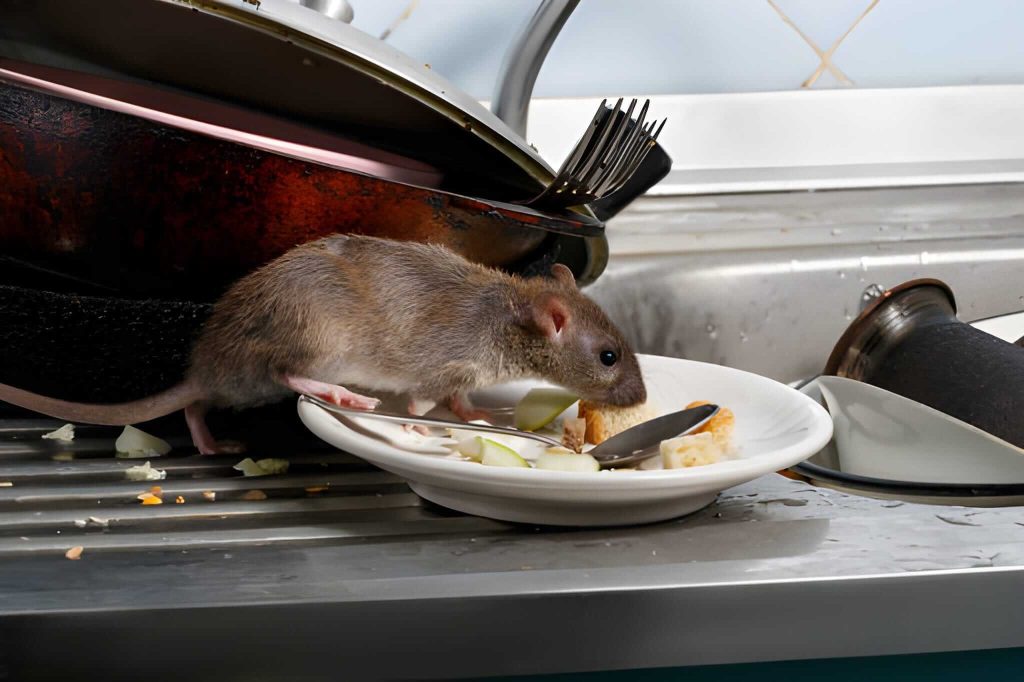
Rats are among the most destructive pests affecting residential and commercial properties across Sydney. They can damage electrical wiring, contaminate food, spread harmful microorganisms and create unhygienic living and working environments. Their ability to reproduce quickly and hide in inaccessible areas makes infestations particularly challenging to manage.
Professional rat control Sydney services provide targeted solutions to identify rodent activity, eliminate established infestations and reduce the risk of future problems.
Whether you have noticed scratching sounds in your ceiling, discovered rodent droppings in your kitchen or identified damage to stored products, early intervention is essential.
Effective rat management involves more than removing visible rodents. It requires thorough inspections, appropriate treatments, structural exclusion and preventative property maintenance.
This guide explains common rat species, infestation warning signs, professional treatment methods and practical strategies for protecting your Sydney property.
Why Are Rat Infestations Common in Sydney?
Sydney’s urban environment provides rats with numerous opportunities to access food, water and shelter. Residential neighbourhoods, commercial districts, drainage networks and construction sites can all support rodent populations.
Rats are highly adaptable and can survive in various environments, including roof cavities, gardens, warehouses, sewer systems and underground spaces.
Common factors contributing to rat infestations include:
- Unsecured rubbish bins and food waste
- Accessible pet food and birdseed
- Damaged roofing and structural openings
- Overgrown vegetation and cluttered gardens
- Leaking pipes and accessible water sources
- Poorly maintained storage areas
- Construction and demolition activity
- Rodent infestations in neighbouring properties
Although rat activity can occur throughout the year, rodents may increasingly seek indoor shelter during cooler weather or when outdoor food sources become limited.
Common Types of Rats Found in Sydney
Identifying the rodent species is important because different rats have distinct nesting habits, feeding behaviours and movement patterns.
Roof Rats
Roof rats, also known as black rats, are agile climbers commonly found in roof cavities, ceiling spaces, trees and elevated storage areas.
They typically have slender bodies, pointed noses, relatively large ears and tails that are longer than their bodies.
Roof rats may enter properties through damaged roofing, gaps beneath eaves and openings connected to climbing vegetation.
Common signs include scratching sounds above ceilings, damaged insulation and droppings in elevated areas.
Norway Rats
Norway rats, also called brown rats or sewer rats, are generally larger and heavier than roof rats.
They commonly inhabit ground-level environments, drainage systems, basements, gardens and underground burrows.
Norway rats are frequently associated with rubbish storage areas, commercial premises and properties with accessible food waste.
Effective treatment often involves inspecting ground-level entry points, identifying burrows and addressing environmental conditions that support rodent activity.
Signs You Need Professional Rat Control in Sydney
Rats are primarily active at night, meaning infestations can remain unnoticed until significant damage or contamination occurs.
Recognising early warning signs can help prevent a minor rodent problem from becoming a widespread infestation.
Rat Droppings
Rat droppings are commonly found near food sources, along walls, inside cupboards and around nesting areas.
Fresh droppings may indicate recent rodent activity. Their size and shape can also help technicians distinguish between different rodent species.
Avoid sweeping or vacuuming dry droppings, as this may disperse contaminated particles into the air.
Scratching and Scurrying Sounds
Unusual noises coming from ceilings, walls or roof cavities may indicate rats moving through concealed areas.
These sounds are often more noticeable at night when rodents are active and household activity decreases.
Gnaw Marks and Property Damage
Rats have continuously growing incisor teeth and regularly gnaw on materials.
Common signs include damaged electrical cables, chewed food packaging, wooden surfaces, plastic containers and insulation.
Grease Marks Along Walls
Rats frequently travel along established routes. Repeated contact with walls and other surfaces may leave dark, greasy marks.
These markings can help identify frequently used rodent pathways.
Unpleasant Odours
Established rat infestations may produce strong smells associated with urine, droppings and nesting materials.
A dead rodent inside a wall or ceiling cavity may also create persistent unpleasant odours.
Rat Nests and Burrows
Rats may construct nests using shredded paper, insulation, fabric and other available materials.
Outdoor burrows near sheds, foundations and rubbish storage areas may indicate Norway rat activity.
If you notice these warning signs, arranging professional rat control Sydney services can help identify the source and extent of the infestation.
Health Risks Associated With Rat Infestations
Rats can create significant health and hygiene concerns when they enter residential and commercial environments.
Food and Surface Contamination
Rats can contaminate food, kitchen benches, utensils and storage areas through their urine, droppings and contact with contaminated environments.
Food products showing signs of rodent damage or contamination should be discarded.
Affected surfaces should be cleaned and disinfected using appropriate safety precautions.
Exposure to Harmful Microorganisms
Rodents can carry pathogens associated with illnesses such as leptospirosis and salmonellosis.
Exposure may occur through contaminated food, water, surfaces or direct contact with infected rodents and their waste.
Professional rodent management and appropriate cleaning practices can help reduce these risks.
Allergies and Indoor Hygiene Problems
Rodent urine, droppings and dander may contribute to indoor allergens and aggravate symptoms in susceptible individuals.
Established infestations can also introduce unpleasant odours and reduce overall environmental hygiene.
Property Damage Caused by Rats
Rat infestations can result in expensive repairs if rodent activity remains untreated.
Electrical Wiring Damage
Rats may chew through electrical cables and protective insulation, potentially causing electrical faults and increasing fire risks.
Suspected electrical damage should be assessed by a qualified electrician.
Roof and Ceiling Damage
Roof rats can damage insulation, contaminate ceiling cavities and disturb roofing materials.
Accumulated nesting materials and rodent waste may also require specialist cleaning.
Structural and Plumbing Damage
Rats may gnaw wooden structures, plastic pipes, door frames and other building materials.
Their burrowing activity can also affect garden areas and soil around building foundations.
Damage to Stored Products
Commercial properties may experience losses when rats contaminate packaged food, stock, packaging materials and other stored goods.
Early intervention can help limit financial losses and protect valuable inventory.
Professional Rat Control Methods in Sydney
Effective rat control Sydney treatments should be selected according to the rodent species, infestation severity, property layout and potential safety risks.
Professional pest management generally combines multiple techniques rather than relying on a single treatment.
Comprehensive Rodent Inspection
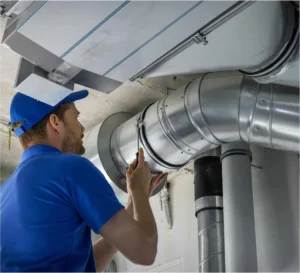
A professional technician typically begins by inspecting the property for rodent activity, nesting areas, food sources and structural entry points.
Inspections may include roof cavities, kitchens, garages, subfloor spaces, gardens, storage rooms and accessible drainage areas.
Identifying the underlying cause helps technicians develop a targeted management plan.
Professional Rat Trapping
Mechanical traps may be used to capture rodents in suitable locations.
Professional technicians select appropriate traps and positioning based on rodent activity, property conditions and occupant safety.
Trapping can be particularly useful where rodenticide use is unsuitable or where accessible carcass removal is important.
Rodent Bait Stations
Professional pest control providers may use secured, tamper-resistant bait stations containing approved rodenticides when appropriate.
These stations help restrict access to bait by children, pets and non-target animals.
However, rodenticides can still present poisoning risks, including secondary poisoning of wildlife. Their use should follow Australian-approved product labels and relevant safety requirements.
Rodent Exclusion and Entry-Point Sealing
Rodent exclusion involves identifying and sealing openings that allow rats to enter buildings.
Common areas requiring attention include gaps around pipes, damaged vents, roofing openings, door frames and foundation cracks.
Exclusion work should be coordinated with active infestation management to avoid trapping rodents inside buildings.
Rodent Activity Monitoring
Monitoring helps technicians assess infestation levels and evaluate treatment effectiveness.
Regular inspections can identify remaining activity, emerging entry points and environmental conditions that may contribute to reinfestation.
Follow-Up Rat Treatments
Established infestations may require multiple visits.
Follow-up treatments allow technicians to assess progress, inspect monitoring devices and adjust management strategies where necessary.
Residential Rat Control Sydney
Rats can infest houses, apartments, townhouses and other residential properties throughout Greater Sydney.
Professional residential rat control focuses on removing active rodent populations while addressing conditions that allow them to survive and reproduce.
Common residential infestation areas include roof cavities, kitchens, garages, laundries, gardens, sheds, subfloor spaces and storage cupboards.
Technicians may recommend improving food storage, repairing structural openings, removing unnecessary clutter and managing outdoor vegetation.
For apartment buildings, coordinated rodent management involving affected units and shared building areas may be necessary to achieve lasting results.
Commercial Rat Control Sydney
Businesses require effective rodent management to maintain hygienic premises, protect stock and reduce operational disruptions.
Professional rat control Sydney services can support commercial environments such as restaurants, cafés, hotels, supermarkets, warehouses, offices, retail stores, food manufacturing facilities and educational institutions.
Commercial rodent control programmes may include scheduled inspections, secured monitoring stations, targeted treatments and written service reports.
Australian food businesses must take practicable measures to prevent pests from entering food premises and eradicate pests where necessary.
A structured pest management programme can help businesses address these responsibilities while protecting customers, employees and their reputation.
Rat Control for Roof Cavities and Ceiling Spaces
Roof cavities are common harbourage areas for roof rats because they provide shelter, warmth and protection from disturbance.
Rats may access these spaces through damaged roof tiles, gaps around eaves, ventilation openings and nearby climbing vegetation.
Professional roof rat control involves identifying access points, assessing rodent activity and implementing suitable removal methods.
Once the infestation has been addressed, technicians may recommend repairing roofing defects, installing suitable exclusion materials and trimming vegetation that provides access to the building.
Contaminated insulation and nesting materials may require professional cleaning or replacement, depending on the extent of the damage.
DIY Rat Control vs Professional Rat Removal
Homeowners may attempt to manage rodent activity using household traps and commercially available pest control products.
Although DIY methods can sometimes address isolated rodent problems, established infestations often require professional intervention.
Limitations of DIY Rat Control
DIY treatments may fail to identify hidden nests, structural entry points and the full extent of an infestation.
Incorrect use of rodenticides can also create unnecessary risks to children, pets and wildlife.
Removing individual rats without addressing food sources and access points may allow infestations to return.
Benefits of Professional Rat Control
Professional technicians can identify rodent species, assess infestation severity and develop property-specific treatment strategies.
They can also recommend structural repairs, sanitation improvements and ongoing monitoring.
Professional intervention is particularly valuable for recurring infestations, inaccessible roof cavities, commercial food premises and multi-unit residential buildings.
How to Prevent Rat Infestations in Sydney
Long-term rodent prevention requires consistent property maintenance, effective waste management and reduced access to food and shelter.
Store Food Securely
Keep dry food, pet food, birdseed and other accessible food products in durable, sealed containers.
Clean food preparation surfaces regularly and avoid leaving pet food exposed overnight.
Manage Household and Commercial Waste
Use rubbish bins with securely fitting lids and remove waste regularly.
Keep rubbish storage areas clean and prevent food scraps from accumulating around buildings.
Seal Structural Entry Points
Inspect the property for damaged vents, gaps around pipes, roofing openings and cracks in external walls.
Use suitable rodent-resistant materials to repair identified access points after active infestations have been addressed.
Maintain Gardens and Outdoor Areas
Trim overgrown vegetation, remove accumulated garden waste and keep climbing branches away from roofing where practical.
Avoid storing timber, cardboard and unused materials directly against external walls.
Repair Water Leaks
Fix leaking taps, damaged pipes and drainage problems that provide accessible water sources.
Regular maintenance can reduce environmental conditions that attract rodents.
Keep Storage Areas Organised
Cluttered garages, sheds and warehouses provide protected nesting areas.
Organised storage makes it easier to identify rodent activity and maintain effective pest prevention practices.
How Much Does Rat Control Cost in Sydney?
The cost of rat control Sydney services depends on several factors, including property size, infestation severity, rodent species and treatment requirements.
A minor rodent problem in a residential property may require less extensive treatment than an established infestation in a commercial warehouse or restaurant.
Additional pricing factors include accessibility of nesting areas, follow-up visits, structural exclusion work and ongoing monitoring requirements.
When requesting a rat control quote, ask whether the price includes an initial inspection, treatment, follow-up visits and any applicable service warranty.
Structural repairs, contaminated insulation removal and specialist cleaning may involve separate costs.
Comparing service inclusions, technician qualifications and treatment strategies alongside pricing can help property owners make informed decisions.
How Long Does Professional Rat Control Take?
The time required to control a rat infestation varies depending on the population size, treatment method and property conditions.
Some rodent problems may show noticeable improvement within several days, while established infestations can require several weeks and multiple inspections.
Hidden nesting areas, accessible food sources and continuing rodent movement from neighbouring properties can influence treatment progress.
Following professional recommendations regarding sanitation, exclusion and property maintenance can improve long-term outcomes.
A reputable pest control provider should explain the expected treatment timeframe and whether additional visits are necessary.
How to Choose the Best Rat Control Company in Sydney
Selecting a reliable pest control company is important for effective and responsible rodent management.
Look for providers with appropriately licensed technicians, experience treating residential and commercial rodent infestations and a comprehensive inspection process.
A professional company should explain its proposed treatment methods, safety precautions, follow-up requirements and preventative recommendations.
Check customer reviews, insurance coverage, service inclusions and warranty conditions before booking.
In New South Wales, verify that technicians hold the appropriate pest management licence where required and use products approved for their intended applications.
Avoid companies that promise permanent rodent elimination without inspecting the property or addressing the conditions contributing to infestation.
Rat Control Services Across Greater Sydney
Residential and commercial properties throughout Sydney can experience rodent infestations.
Areas where property owners may seek professional rat removal services include Sydney CBD, Parramatta, Blacktown, Penrith, Liverpool, Bankstown, Chatswood, North Sydney, Ryde, Bondi, Cronulla, Sutherland Shire, Northern Beaches, Inner West, Eastern Suburbs and Western Sydney.
Local rodent control specialists can assess property-specific conditions and recommend suitable treatment and prevention strategies.
Confirm service availability in your suburb before arranging a professional inspection.
Frequently Asked Questions
What is the most effective rat control method in Sydney?
Effective rat control generally combines professional inspections, appropriate trapping or baiting, structural exclusion, sanitation and ongoing monitoring. The most suitable treatment depends on the rodent species and infestation severity.
How much does rat control cost in Sydney?
Rat control prices vary depending on property size, infestation severity, treatment methods and follow-up requirements. Request a personalised quote from a licensed pest control provider for accurate pricing.
How do I know if rats are living in my roof?
Common signs include scratching sounds at night, rodent droppings, damaged insulation, unpleasant odours and gnaw marks. A professional roof inspection can help confirm rodent activity.
Can rats damage electrical wiring?
Yes, rats can chew electrical cables and insulation, potentially causing electrical faults and increasing fire risks. A qualified electrician should inspect suspected wiring damage.
How long does professional rat removal take?
Some infestations may show improvement within several days, while larger or established rodent populations may require several weeks and multiple treatments.
Are rat control treatments safe for children and pets?
Safety depends on the treatment method, product and potential exposure. Professional technicians should follow approved product labels, use appropriate protective measures and provide clear safety instructions.
Why do rats keep returning to my property?
Rats may return when food sources, water, shelter and structural entry points remain available. Neighbouring infestations can also contribute to recurring rodent activity.
Can rats spread diseases to humans?
Yes, rats can carry pathogens associated with diseases such as leptospirosis and salmonellosis. Contact with contaminated food, water, urine and droppings may create health risks.
Do rats become more active during winter in Sydney?
Rats remain active throughout the year but may increasingly seek indoor shelter during cooler weather, particularly when outdoor food sources become limited.
What attracts rats to residential properties?
Accessible food, rubbish, pet food, water sources, cluttered storage areas and protected nesting spaces can attract rats to residential properties.
Is professional rat control necessary for restaurants?
Professional rodent management can help restaurants maintain hygienic premises, protect food supplies and address Australian food safety responsibilities through appropriate inspections and treatments.
Can rat infestations be prevented permanently?
No treatment can guarantee permanent protection against future infestations. However, structural exclusion, proper waste management, regular inspections and consistent property maintenance can significantly reduce reinfestation risks.
Book Professional Rat Control in Sydney Today
Rat infestations can threaten property hygiene, damage valuable assets and create significant stress for homeowners and business owners.
Professional rat control Sydney services provide targeted solutions designed to address active rodent infestations, identify hidden nesting areas and reduce future pest activity.
From roof rats in residential ceiling cavities to Norway rats around commercial premises, effective rodent management begins with a comprehensive inspection and an appropriate treatment strategy.
Do not allow a minor rodent problem to develop into a costly infestation. Contact a licensed Sydney pest control specialist today, request a personalised quote and arrange a professional inspection to help protect your property against rats and recurring rodent problems.