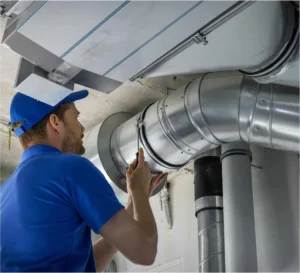
A reliable air conditioning system is essential for maintaining a comfortable indoor environment throughout the year. However, even a high-quality air conditioner can struggle to deliver consistent performance when its ductwork becomes damaged, deteriorated or poorly insulated.
Professional air conditioning duct replacement can help restore efficient airflow, improve temperature distribution, reduce energy waste and enhance the overall performance of your heating and cooling system.
Over time, air conditioning ducts may develop leaks, loose connections, damaged insulation and structural deterioration. These problems can increase electricity consumption and prevent conditioned air from reaching different areas of your property effectively.
Whether you own a residential property, manage a commercial building or plan to upgrade an existing ducted air conditioning system, understanding when and why duct replacement is necessary can help you make an informed decision.
What Is Air Conditioning Duct Replacement?
Air conditioning duct replacement involves removing damaged, deteriorated or inefficient ductwork and installing new ducts that distribute conditioned air throughout a building.
Ductwork connects the central air conditioning unit to supply vents and return air grilles located in different rooms. It plays an important role in maintaining consistent temperatures and supporting efficient system operation.
Depending on the condition of the existing system, duct replacement may involve individual damaged sections or the entire ductwork network.
Professional replacement services may include installing insulated flexible ducts, rigid metal ducts, new connections, air distribution components and appropriate sealing materials.
The primary objective is to ensure conditioned air travels efficiently between the air conditioning unit and the intended indoor spaces.
Why Is Air Conditioning Ductwork Important?
Ductwork is responsible for distributing heated or cooled air throughout a property. When ducts operate efficiently, the air conditioning system can maintain comfortable indoor temperatures without unnecessary energy losses.
Damaged or poorly designed ductwork can restrict airflow, increase system operating times and contribute to inconsistent indoor temperatures.
Air leaks may also allow conditioned air to escape into roof cavities, subfloor spaces and other unoccupied areas.
Investing in professional air conditioning duct replacement can address these issues when existing ducts are beyond economical repair.
A properly designed and installed ductwork system supports balanced airflow, reliable temperature control and efficient heating and cooling performance.
Common Signs You Need Air Conditioning Duct Replacement
Air conditioning ducts are often concealed within ceilings, walls or roof cavities, making deterioration difficult to identify without professional inspection.
However, several warning signs may indicate that your ductwork requires attention.
Uneven Cooling and Heating
If certain rooms remain uncomfortable while others reach the desired temperature, damaged or poorly designed ductwork may be responsible.
Disconnected ducts, air leaks, incorrect duct sizing and restricted airflow can prevent conditioned air from reaching specific areas.
Increasing Electricity Bills
Damaged ducts can allow conditioned air to escape before reaching occupied rooms.
As a result, the air conditioning system may operate for longer periods to maintain the desired indoor temperature.
An unexplained increase in electricity consumption may indicate ductwork problems, although other system faults should also be investigated.
Weak Airflow From Air Conditioning Vents
Reduced airflow from supply vents may result from crushed ducts, loose connections, internal obstructions or damaged ductwork.
A professional inspection can determine whether replacement, repair or another system adjustment is necessary.
Unusual Noises From Ductwork
Rattling, whistling and excessive airflow noises may indicate loose connections, restricted ducts or incorrect duct sizing.
Persistent noises should be investigated to identify their underlying cause.
Visible Damage or Deterioration
Flexible ductwork may develop tears, damaged insulation, disconnected joints or collapsed sections over time.
Visible deterioration is a strong indication that affected sections require professional assessment.
Persistent Musty Odours
Unpleasant smells coming from air conditioning vents may be associated with moisture problems, microbial growth or contaminated system components.
Replacing affected ductwork may be necessary in certain circumstances, but the underlying moisture source must also be addressed.
Ageing Air Conditioning Ducts
Older ductwork may become less effective as insulation, seals and connections deteriorate.
If your existing ducts have been in service for many years and frequently require repairs, replacement may offer a more practical long-term solution.
Common Causes of Air Conditioning Duct Damage
Understanding what causes ductwork deterioration can help property owners prevent recurring problems.
Natural Wear and Tear
Continuous system operation, temperature fluctuations and material ageing can gradually affect ductwork integrity.
Older flexible ducts may become brittle, while seals and connections can deteriorate over time.
Poor Installation
Incorrect duct sizing, excessive bends, inadequate support and poorly sealed connections can reduce airflow efficiency.
Replacing improperly installed ducts can help correct these design and installation problems.
Rodent and Pest Damage
Rats, mice and other pests may damage flexible ductwork and insulation within roof cavities and subfloor spaces.
Pest infestations should be addressed before installing replacement ducts to reduce the risk of further damage.
Moisture and Condensation
Damaged insulation, excessive humidity and poorly sealed ductwork can contribute to condensation.
Persistent moisture may damage duct materials and create conditions that support microbial growth.
Renovations and Building Modifications
Roof repairs, electrical installations and property renovations may accidentally damage or disconnect existing ducts.
Changes to a building’s layout can also make the original ductwork design unsuitable for current heating and cooling requirements.
Benefits of Professional Air Conditioning Duct Replacement
Replacing damaged or inefficient ductwork can provide several practical advantages for residential and commercial properties.
Improved Energy Efficiency
Properly sealed and insulated ducts reduce unnecessary losses of conditioned air.
This allows the air conditioning system to distribute heated or cooled air more effectively and may reduce electricity consumption.
Actual energy savings depend on the condition of the original ductwork, system design and usage patterns.
Better Indoor Temperature Control
New ductwork can improve air distribution throughout different rooms and zones.
Balanced airflow helps reduce uncomfortable hot and cold spots, creating more consistent indoor temperatures.
Improved Indoor Air Quality
Damaged return air ducts may draw dust and other airborne contaminants from unoccupied building spaces.
Replacing compromised ductwork and addressing filtration or moisture problems can help improve indoor air quality.
However, duct replacement alone cannot eliminate every source of indoor air pollution.
Reduced Strain on Air Conditioning Equipment
Restricted airflow and significant air leakage can contribute to inefficient system operation.
Correctly sized and installed ducts help maintain suitable airflow, potentially reducing unnecessary strain on air conditioning components.
Quieter System Operation
Replacing damaged, poorly supported or incorrectly sized ducts may help reduce rattling, vibration and excessive airflow noise.
Improved Long-Term Reliability
New ductwork can reduce the need for repeated repairs when the existing system has extensive deterioration.
Quality materials and professional installation help support reliable heating and cooling performance.
Types of Air Conditioning Ductwork
Selecting the appropriate duct material is an important part of any air conditioning duct replacement project.
Different ductwork materials offer varying levels of flexibility, durability, insulation and installation suitability.
Flexible Air Conditioning Ducts
Flexible ducts are commonly used in residential ducted air conditioning systems.
They typically consist of a flexible inner core, surrounding insulation and an outer protective jacket.
Their flexibility makes them suitable for roof cavities and spaces where rigid duct installation may be difficult.
However, flexible ducts must be properly supported and installed without excessive bends or compression.
Rigid Metal Ducts
Rigid ducts are commonly manufactured from galvanised steel or aluminium.
They offer durability and can provide efficient airflow when correctly sized, sealed and installed.
Metal ductwork is frequently used in commercial buildings and larger air distribution systems.
Insulated Air Conditioning Ducts
Insulated ducts help reduce unwanted heat transfer between conditioned air and surrounding environments.
They are particularly important when ductwork passes through unconditioned roof cavities or other areas exposed to temperature fluctuations.
The appropriate insulation rating depends on installation conditions, system requirements and applicable building standards.
Fabric Air Distribution Ducts
Fabric ducts are used in certain commercial and industrial environments.
They can provide distributed airflow and may be suitable for large open spaces, depending on the building design and operational requirements.
The Professional Air Conditioning Duct Replacement Process
A successful duct replacement project requires careful assessment, planning and installation.
Initial Ductwork Inspection
An air conditioning technician inspects the existing system to identify damaged ducts, air leaks, insulation problems and airflow restrictions.
The inspection also helps determine whether partial or complete replacement is necessary.
System Design and Airflow Assessment
The technician evaluates the property’s layout, air conditioning capacity, room sizes and heating and cooling requirements.
Correct duct sizing is essential for maintaining suitable airflow and system pressure.
Removal of Existing Ductwork
Damaged or deteriorated ducts are carefully disconnected and removed from accessible areas.
Older buildings may require additional precautions if suspected asbestos-containing materials or other hazardous materials are present.
Installation of New Air Conditioning Ducts
Replacement ducts are installed according to the system design and manufacturer requirements.
Connections are appropriately sealed, ducts are supported correctly and insulation is maintained throughout the installation.
Airflow Testing and System Commissioning
After installation, technicians should assess system operation, airflow distribution and connection integrity.
Where applicable, airflow balancing and static pressure checks help confirm that the replacement ductwork is compatible with the air conditioning equipment.
Final Inspection and Maintenance Advice
A final inspection helps identify installation issues before the project is completed.
Property owners should receive relevant maintenance recommendations and information about applicable workmanship and product warranties.
Air Conditioning Duct Replacement vs Duct Repair
Not every ductwork problem requires complete replacement. In some situations, targeted repairs may restore satisfactory system performance.
When Duct Repair Is Suitable
Duct repair may be appropriate when the problem involves a minor air leak, loose connection, isolated tear or small section of damaged insulation.
If the remaining ductwork is in good condition and correctly designed, repairing the affected area may be more economical.
When Duct Replacement Is Necessary
Replacement may be more suitable when ducts have extensive deterioration, widespread leakage, severe pest damage, collapsed sections or inadequate insulation.
Complete replacement may also be necessary when the existing ductwork is incorrectly sized or incompatible with an upgraded air conditioning system.
A professional assessment can help determine which option provides better long-term value.
Residential Air Conditioning Duct Replacement
Residential ducted air conditioning systems rely on efficient ductwork to distribute conditioned air throughout bedrooms, living areas and other indoor spaces.
Damaged residential ducts can contribute to inconsistent temperatures, weak airflow and increased running costs.
Professional residential air conditioning duct replacement can address ageing duct networks, damaged insulation and inefficient air distribution.
Replacement projects may also provide an opportunity to review existing zoning arrangements and improve airflow to frequently occupied rooms.
For homes undergoing renovations or air conditioning upgrades, redesigning the ductwork may help accommodate changes to the property layout.
Commercial Air Conditioning Duct Replacement
Commercial properties often require more complex ductwork systems to maintain comfortable indoor environments across larger spaces.
Offices, retail stores, hotels, restaurants, warehouses and healthcare facilities may experience operational difficulties when ductwork becomes damaged or inefficient.
Commercial duct replacement requires careful consideration of airflow requirements, ventilation needs, building occupancy and applicable regulations.
Professional technicians can develop replacement plans that address system performance while minimising unnecessary disruption to business operations.
Scheduled inspections and preventative maintenance can also help identify developing ductwork problems before they require extensive repairs.
How Much Does Air Conditioning Duct Replacement Cost in Australia?
The cost of air conditioning duct replacement varies depending on the size of the property, ductwork condition, installation complexity and materials required.
Common factors influencing replacement costs include:
- Number of ducts and air conditioning outlets
- Length and diameter of replacement ducts
- Duct material and insulation requirements
- Accessibility of roof cavities and installation areas
- Labour and removal costs
- Condition of existing connections and air distribution components
- Zoning system modifications
- Partial or complete ductwork replacement
- Airflow testing and system commissioning
Replacing a single damaged duct generally costs less than installing an entirely new ductwork network.
Request a detailed written quote that explains material specifications, labour charges, removal costs, testing procedures and warranty inclusions.
Comparing service quality and installation requirements alongside pricing can help you achieve better long-term value.
How Long Does Air Conditioning Duct Replacement Take?
The duration of duct replacement depends on property size, accessibility and the extent of the work.
Minor duct replacements may be completed within a few hours, while complete residential ductwork replacement may require one or more days.
Larger commercial installations can take longer because of complex duct layouts, access restrictions and operational requirements.
Additional repairs, zoning modifications or hazardous material assessments may also influence the project timeline.
A professional air conditioning contractor should provide an estimated completion timeframe after inspecting the existing system.
How Long Do Air Conditioning Ducts Last?
Air conditioning ductwork can often last approximately 10 to 20 years or longer, depending on the material, installation quality and operating environment.
Flexible ducts exposed to excessive heat, moisture, pest activity or physical damage may deteriorate sooner.
Well-maintained rigid metal ductwork may remain functional for considerably longer.
Age alone does not necessarily mean that replacement is required. The physical condition, insulation performance, leakage levels and suitability of the ductwork are more important considerations.
Regular professional inspections can help identify deterioration before it significantly affects system performance.
How to Maintain Your New Air Conditioning Ductwork
Proper maintenance can help extend the lifespan of replacement ducts and support efficient system operation.
Clean or replace air conditioning filters according to manufacturer recommendations. Keep supply vents and return air grilles unobstructed, and arrange regular professional servicing.
Address roof leaks, condensation and pest activity promptly to prevent damage to duct materials and insulation.
Avoid storing heavy objects on flexible ducts or allowing contractors to compress ductwork during unrelated roof cavity work.
If airflow becomes noticeably weaker or unusual noises develop, arrange an inspection rather than allowing the problem to worsen.
Routine maintenance can help protect your investment and reduce unnecessary replacement costs.
How to Choose a Professional Air Conditioning Duct Replacement Company
Selecting an experienced air conditioning contractor is essential for achieving reliable installation results.
Look for a provider with relevant qualifications, appropriate licensing where required and experience working with ducted heating and cooling systems.
A reputable contractor should inspect the existing ductwork before recommending replacement and explain why particular materials and installation methods are suitable.
Ask about duct insulation ratings, airflow calculations, sealing methods, system testing and warranty coverage.
Review customer feedback, insurance coverage and written quotations before making a decision.
Avoid choosing a contractor solely on price, as incorrectly installed ductwork can contribute to ongoing airflow problems and unnecessary energy consumption.
Frequently Asked Questions
What is air conditioning duct replacement?
Air conditioning duct replacement involves removing damaged, deteriorated or inefficient ducts and installing new ductwork to restore effective air distribution throughout a property.
How much does air conditioning duct replacement cost?
Replacement costs depend on property size, duct materials, installation accessibility and the extent of the work. A professional inspection and personalised quotation provide the most accurate pricing.
How do I know if my air conditioning ducts need replacing?
Common warning signs include weak airflow, uneven temperatures, rising electricity bills, unusual noises, damaged insulation and visible duct deterioration.
Can replacing air conditioning ducts reduce electricity bills?
Yes, replacing leaking or poorly insulated ducts may reduce energy waste and improve system efficiency. Actual savings depend on the original duct condition, installation quality and air conditioning usage.
Can air conditioning ducts be repaired instead of replaced?
Yes, isolated leaks, loose connections and minor damage may be repairable. Extensive deterioration, widespread leakage or unsuitable duct sizing may require replacement.
How often should air conditioning ducts be replaced?
There is no universal replacement schedule. Ductwork should be assessed according to its physical condition, insulation quality, airflow performance and compatibility with the air conditioning system.
Does duct replacement improve indoor air quality?
Replacing damaged or contaminated ducts may help reduce the entry or distribution of certain airborne contaminants. Filtration, ventilation and moisture management are also important for indoor air quality.
Can I replace air conditioning ducts myself?
Professional installation is recommended because duct replacement requires appropriate sizing, sealing, insulation, support and airflow testing. Working inside roof cavities can also present safety risks.
Do I need to replace ductwork when installing a new air conditioner?
Not necessarily. Existing ducts may be reused if they are in good condition, appropriately sized and compatible with the new system. A professional assessment is recommended.
What is the best material for air conditioning ducts?
Flexible insulated ducts are commonly used in residential systems, while rigid metal ducts are popular in commercial applications. The best material depends on system design, installation conditions and airflow requirements.
Can rats damage air conditioning ductwork?
Yes, rodents can chew through flexible ducts and insulation. Pest activity should be addressed before replacement ductwork is installed.
Is air conditioning duct replacement worth the investment?
Replacing extensively damaged or inefficient ductwork can improve airflow, indoor comfort and energy efficiency. The value of replacement depends on the existing system condition and the cost of alternative repairs.
Upgrade Your Air Conditioning Ductwork Today
Damaged and inefficient ductwork can compromise indoor comfort, increase energy consumption and reduce the performance of your heating and cooling system.
Professional air conditioning duct replacement provides a practical solution for addressing deteriorated ducts, improving airflow distribution and supporting reliable system operation.
Whether you need to replace a damaged duct, upgrade an ageing residential air conditioning system or improve commercial air distribution, choosing quality materials and professional installation is essential.
Do not allow deteriorating ductwork to affect your property’s comfort and energy efficiency. Contact a qualified air conditioning specialist today, request a personalised quotation and arrange a comprehensive ductwork inspection to determine the best replacement solution for your property.