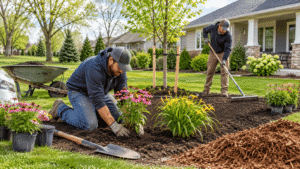
Practical Landscape Improvements with Retaining Walls Flagstone and Flinders Lakes
Retaining walls Flagstone and Flinders Lakes contribute to well-planned outdoor environments by providing essential soil support while enhancing the appearance of properties. In these locations, retaining structures are often used to address sloping ground, limit soil erosion, and improve the usability of available space. Their combination of structural function and design versatility makes it possible to develop outdoor areas that meet different practical needs and visual preferences. With various materials, configurations, and finishes available, retaining walls can be adapted to suit a wide range of landscaping designs and property requirements.
Ground Support and Landscape Structure in Flagstone
Retaining walls across Flagstone help secure soil and manage changes in elevation throughout outdoor properties. Creating level sections on sloping sites makes the available space more suitable for a range of practical uses. Common construction materials include concrete, natural stone, and timber, with each option offering different characteristics in terms of strength, appearance, and suitability for local conditions.
These structures can also form part of a drainage plan by directing surface water and helping reduce soil erosion. Their combination of ground support and adaptable designs makes retaining walls a useful addition to well-planned outdoor landscapes.
Visual Appeal through Retaining Wall Design
Retaining walls can contribute significantly to the appearance of outdoor areas throughout Flagstone. Their construction styles can be adapted to complement traditional, contemporary, or minimalist landscapes. A range of materials, textures, and finishes allows the structures to coordinate with existing garden elements and nearby property features, creating a more unified outdoor design.
Different wall heights and layouts can also introduce depth while separating sections of the landscape. When paired with suitable planting or decorative details, retaining walls help establish distinctive outdoor spaces and give the property a more organised visual character.
Functional Benefits of Retaining Wall Construction
Retaining walls offer several practical benefits, particularly on properties where sloping ground and water movement require careful management. By holding soil in place, they help reduce ground displacement and erosion that may occur during periods of heavy rainfall. When designed with suitable drainage provisions, these structures can also help direct runoff and reduce water accumulation in selected areas. This supports better management of outdoor ground conditions.
Another advantage is the creation of level sections that can accommodate gardens, pathways, and recreational areas. Such spaces are especially useful on properties where uneven terrain limits available options. Through appropriate design and construction, retaining walls provide practical support and help maintain the usability of landscaped areas.
Retaining Walls and Outdoor Property Protection
On uneven properties, retaining walls provide support by holding back soil and helping control erosion. Their presence can reduce the risk of localised ground movement when properly designed for the slope and surrounding site conditions. Each structure must account for the pressure exerted by the retained soil, along with drainage requirements and other relevant loads, to maintain its stability.
Retaining walls may also help support the ground near driveways, garden areas, and neighbouring structures when correctly positioned and engineered. Their contribution to a more stable outdoor layout makes them a useful feature on sites where changes in elevation require careful management.
Tiered Garden Layouts with Retaining Walls Flagstone
Tiered gardens created with retaining walls offer a practical way to organise planting areas across sloping properties in Flagstone. Instead of leaving uneven ground difficult to use, different levels can be formed to accommodate a variety of plants and garden arrangements. This layered design introduces depth and gives the outdoor space a more defined layout. The walls also support the soil within each section, helping preserve the shape of the garden levels.
Separate planting areas can make access for watering, pruning, and general upkeep more manageable. By using retaining walls to create structured garden tiers, property owners can use available land more effectively while developing an appealing outdoor environment in Flagstone.
Built-In Seating Options for Retaining Wall Areas
Retaining wall structures can be designed to include seating, making outdoor areas more useful without requiring separate furniture arrangements. Integrated benches provide convenient places to sit, relax, or gather with others while making practical use of the wall’s layout. When planned as part of the original design, these features can provide a stable seating option that complements the surrounding space.
The choice of construction materials and finishes can help the seating blend with nearby paving, gardens, and other landscape elements. This creates a coordinated appearance while allowing the outdoor area to serve several purposes.
Cushions, suitable planting, and outdoor lighting can add comfort and visual interest to these spaces. Incorporating seating into retaining wall designs is one way to combine everyday functionality with an organised landscape arrangement.
Clear Outdoor Boundaries with Retaining Walls Flinders Lakes
Retaining walls Flinders Lakes can help distinguish different sections of a property while contributing to a structured outdoor layout. By creating clear divisions between gardens, pathways, and other areas, these walls make the landscape easier to organise. Their construction materials, colours, and finishes can be chosen to coordinate with surrounding features and maintain a consistent design.
When appropriately engineered, retaining walls can provide durable soil support while defining selected outdoor spaces. Their placement may also contribute to a greater sense of separation between areas of a property. Planting and decorative details along the wall can further improve its appearance, combining practical boundaries with landscape design.
Retaining Wall Designs around Outdoor Water Features
Retaining walls can be incorporated into landscapes that include ponds, fountains, and cascading water features. They may provide structural support around these installations and help define the areas where water is contained. With suitable layouts and material choices, the walls can connect architectural elements with the surrounding garden, creating a coordinated outdoor design.
Careful planning is also necessary to manage water movement around these features and limit erosion near the structure. Appropriate drainage and waterproofing provisions depend on the design and site conditions. When these requirements are addressed, retaining walls can contribute to the practical arrangement and visual character of outdoor water features.
Sustainable Practices with Retaining Walls
Sustainable practices in constructing retaining walls emphasise the use of eco-friendly materials and methods. Recycled or reclaimed materials, such as timber or concrete, can be incorporated to reduce environmental impact. Locally sourced materials further minimise transportation emissions, aligning with sustainable landscaping goals.
Retaining walls also provide an opportunity to support native plant growth, promoting biodiversity within the area. Incorporating permeable materials or drainage solutions helps manage water sustainably, reducing runoff and soil erosion.
These approaches ensure that retaining walls contribute positively to the environment while fulfilling their structural and aesthetic purposes. By adopting environmentally conscious techniques, retaining walls can enhance landscapes in a way that respects and supports natural ecosystems.
Using Retaining Walls to Minimise Outdoor Noise
Retaining walls can help limit unwanted sound in outdoor areas, especially on properties located near busy roads or densely populated neighbourhoods. Acting as physical barriers, these structures can obstruct and deflect sound waves, reducing the effects of surrounding noise. Their ability to limit sound transmission also depends on the materials and construction methods selected, with dense and solid options generally providing better noise-blocking performance.
Adding vegetation, including shrubs and climbing plants, can offer another layer of sound insulation while softening the wall’s appearance. This combination of practical and decorative features makes retaining walls useful for creating quieter and more comfortable outdoor environments, particularly where privacy and noise control are important considerations.
Adding Integrated Lighting to Retaining Wall Designs
Installing lighting within retaining walls can improve their practical use while adding visual interest to landscaped surroundings. Carefully positioned fixtures can draw attention to architectural details and highlight the textures and finishes of the wall materials. This arrangement introduces greater depth to outdoor areas while improving visibility and movement around the property after dark.
Lighting options such as recessed fixtures and LED strips can be incorporated into the structure to maintain a coordinated appearance. Choosing energy-efficient fittings also helps reduce electricity consumption while creating a pleasant and welcoming outdoor atmosphere.
Keeping Retaining Walls in Flagstone Well Maintained
Routine care helps ensure that retaining walls in Flagstone continue to provide reliable support and remain in good condition. Regular assessments can reveal early signs of deterioration, including cracks, movement, and blocked drainage outlets that may affect structural stability. Removing accumulated debris and unwanted vegetation from the wall’s surface and base also helps limit moisture retention and potential material damage.
Drainage channels and outlets should remain clear to prevent water pressure from building up behind the structure. Addressing minor problems promptly, such as repairing cracks or securing displaced materials, can reduce the likelihood of more serious damage. Walls made from natural materials may also benefit from occasional sealing or protective treatments to improve resistance to weather-related wear.
Conclusion
Retaining walls Flagstone and Flinders Lakes provide practical solutions for supporting sloped terrain, controlling soil displacement, and creating more usable outdoor environments across Australia. Built from options such as precast concrete, natural stone, and treated timber, these structures help withstand lateral ground pressure and manage water around landscaped properties. Their flexible layouts also make room for elevated garden beds, built-in seating, decorative lighting, and organised outdoor boundaries. When constructed with appropriate materials and effective drainage, professionally installed retaining walls can deliver reliable ground support, limit future maintenance requirements, and improve the overall appearance and functionality of residential landscapes.
FAQs
How can retaining walls Flagstone improve the usability of sloping gardens?
Retaining walls Flagstone help transform uneven outdoor areas into more accessible, level spaces by holding back soil at different elevations. These terraced sections can accommodate planting areas, seating arrangements, garden paths, and lawn spaces. Dividing the landscape into defined levels makes outdoor layouts easier to organise and creates additional possibilities for practical garden improvements across Australia.
Which retaining wall materials provide both durability and an attractive finish?
Suitable materials include natural stone, reinforced masonry, precast concrete blocks, and treated timber sleepers. Concrete and stone provide considerable strength and can withstand substantial soil pressure, whereas timber can introduce a more natural appearance into garden designs. The appropriate selection depends on the wall’s height, ground conditions, desired finish, maintenance requirements, and surrounding landscape across Australia.
Why is a well-designed drainage system essential for retaining walls?
Drainage components, including perforated pipes, gravel layers, and weep holes, help carry excess moisture away from the soil behind a retaining wall. When water accumulates in this area, increased pressure can contribute to cracks, structural movement, or wall failure. A suitable drainage arrangement helps protect the structure and maintain its stability during periods of heavy rainfall across Australia.
How can retaining walls improve outdoor privacy and help limit surrounding noise?
Dense retaining wall materials, such as reinforced concrete and natural stone, can establish physical separation between neighbouring outdoor spaces and may reduce some transmitted noise. Additional privacy can be created by positioning shrubs, climbing plants, or screening features along suitable sections of the wall. These landscaping elements help create more sheltered outdoor areas around residential properties across Australia.
What types of lighting can be incorporated into retaining wall landscaping?
Retaining wall designs can include different lighting arrangements to improve nighttime visibility and emphasise decorative details. Recessed LED fixtures, hidden lighting strips beneath wall caps, and low-voltage spotlights are useful options for illuminating steps, pathways, and textured surfaces. Considering electrical connections and fixture placement during the design and construction stages helps achieve a coordinated finish and safer outdoor access throughout Australia.