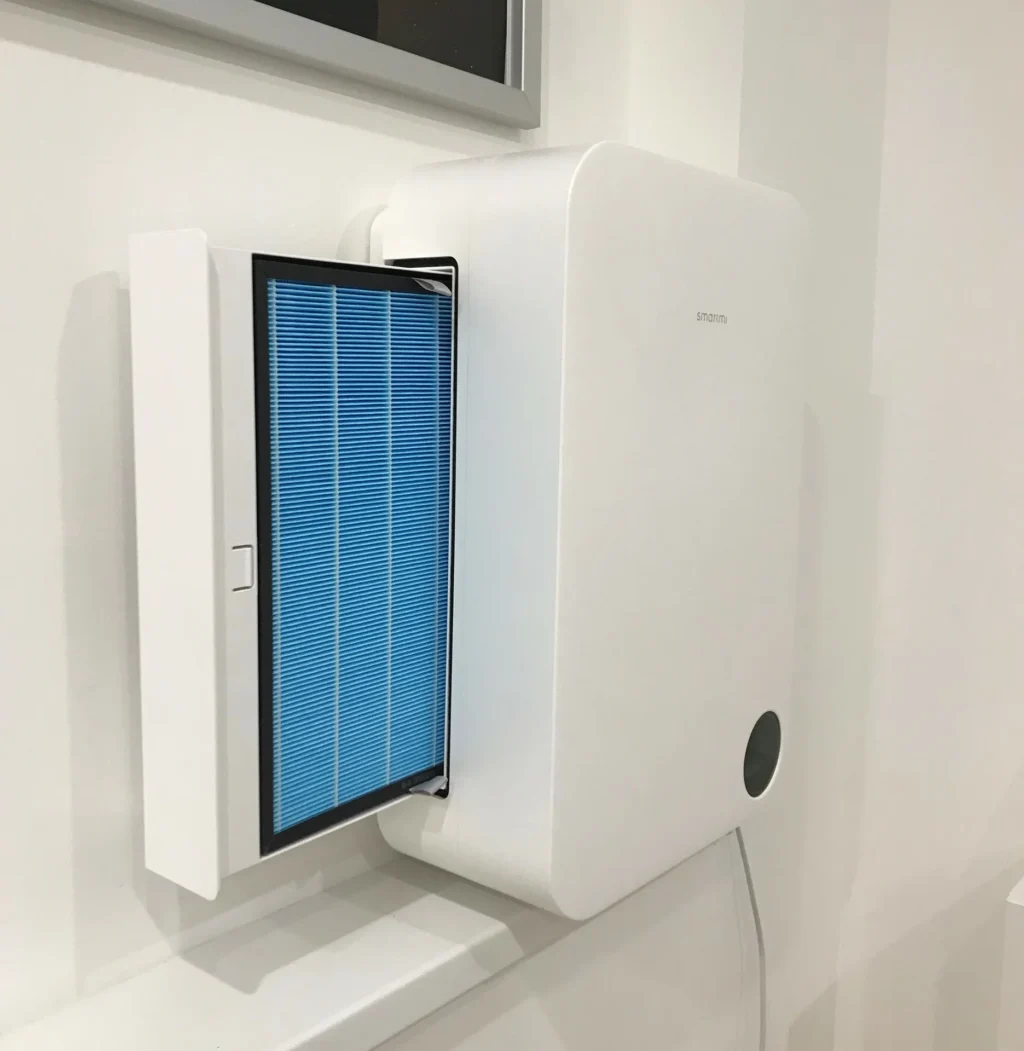
Maintaining effective ventilation is an important part of creating healthier and more comfortable residential interiors. A well-designed ventilation system replaces stale indoor air with cleaner outdoor air, helping reduce the concentration of pollutants, excess humidity, and unwanted odours. Maintaining suitable indoor air quality can contribute to a more pleasant living environment while supporting everyday comfort. As energy-efficient housing becomes increasingly important, modern ventilation solutions are being developed to manage airflow without creating unnecessary energy demands.
These systems can be incorporated into both newly constructed and existing homes to encourage better circulation and temperature management. By supplying filtered outdoor air while extracting stale indoor air, a fresh air system for home can help create a more balanced indoor atmosphere. Understanding how residential ventilation operates can assist in selecting an appropriate approach to maintaining air quality and comfort within the home.
How Fresh-Air Systems Maintain Residential Airflow
A fresh-air system for home provides a mechanical approach to replacing stale indoor air with filtered air drawn from outside. Continuous air exchange can help limit the accumulation of pollutants, allergens, volatile organic compounds, and excess humidity, supporting a cleaner residential environment. Incoming air generally passes through filters that capture unwanted particles, while fans maintain steady movement throughout the ventilation process.
By helping manage moisture levels and encouraging consistent circulation, these systems can contribute to a more comfortable indoor atmosphere. Their designs can accommodate different property sizes and layouts, allowing ventilation arrangements to be adapted according to individual household requirements.
Energy performance can also form part of their design, with some systems incorporating heat or energy recovery technology to reduce the energy associated with exchanging indoor and outdoor air.
Main Elements within an Air Exchanger for House
An Air exchanger for house consists of several interconnected components that work together to maintain effective air exchange. Intake and exhaust fans provide the mechanical force required to bring outdoor air inside and remove stale air from the property. Filters positioned along the incoming air path help capture contaminants before the air enters living areas. A heat or energy recovery core can transfer heat or moisture between the outgoing and incoming air streams, helping improve efficiency.
Ductwork and vents then distribute fresh air throughout the home while directing used air towards exhaust points. More advanced configurations may incorporate sensors that track factors such as humidity or indoor air quality. Working collectively, these components maintain regular airflow while supporting energy conservation and indoor comfort.
The Air Exchange Process Explained
A fresh air ventilation system maintains indoor airflow by regularly bringing outdoor air into the property while removing stale air from occupied spaces. Outside air is first drawn into the system and filtered to reduce the presence of dust, allergens, and other airborne contaminants. At the same time, indoor air is directed towards exhaust outlets, helping remove accumulated pollutants, unwanted odours, and excess moisture.
Heat or energy recovery technology may be incorporated to transfer thermal energy or moisture between the two air streams. This process can improve ventilation efficiency while helping maintain comfortable indoor conditions. Sensors and automated controls may further adjust airflow according to changing requirements within the property.
Through this continuous exchange, the system helps refresh indoor air and reduce the concentration of unwanted airborne substances, supporting a more pleasant residential environment.
Supporting Healthier Indoor Conditions through Fresh Air
A home fresh-air ventilation system can contribute to improved indoor conditions by continuously replacing air that contains accumulated pollutants and irritants. Dust, pet dander, and certain airborne gases can build up within enclosed spaces, while effective ventilation helps remove these substances and introduce cleaner filtered air. Managing indoor humidity can also help limit conditions that encourage mould growth and related indoor air-quality concerns.
Regular air exchange may additionally support a more balanced indoor atmosphere by preventing spaces from becoming excessively stale. This can be particularly useful in homes where occupants are sensitive to airborne allergens or irritants, as filtration and ventilation can help reduce their concentration.
By maintaining consistent circulation of filtered outdoor air, these systems support cleaner and more comfortable residential interiors while helping maintain suitable indoor air quality throughout different seasons.
Energy Efficiency and Fresh Air Systems
Fresh air systems incorporate advanced technologies to optimise energy use while ensuring effective ventilation. These systems often feature heat or energy recovery mechanisms, which transfer heat or moisture between outgoing and incoming air streams, reducing the energy required to heat or cool the indoor environment.
By minimising energy waste, they contribute to lower utility costs and a reduced carbon footprint. The efficiency of these systems is particularly beneficial in climates with extreme temperatures, where maintaining indoor comfort typically demands higher energy consumption.
Additionally, their ability to operate seamlessly alongside heating, ventilation, and air conditioning (HVAC) systems enhances overall energy performance within the home. Through efficient design and operation, fresh air systems provide an eco-friendly solution to maintaining a healthy and comfortable indoor environment while supporting sustainable living practices.
Installation Considerations for Air Exchanger
The installation of an air exchanger involves evaluating the layout and ventilation needs of the property to ensure optimal performance. Factors such as the size of the home, placement of ducts, and existing HVAC systems play a crucial role in determining the system’s configuration. Proper positioning of intake and exhaust vents is essential to maintain effective airflow and prevent recirculation of stale air. Adequate insulation around ducts can also enhance energy efficiency. Consulting professional guidelines or engaging qualified technicians can help achieve a seamless installation process.
Additionally, selecting an air exchanger with the appropriate capacity ensures that the system can handle the volume of air required for the specific home, contributing to balanced and consistent ventilation.
Maintenance of Fresh-Air Ventilation System
Consistent upkeep of a fresh-air ventilation system ensures its efficiency and longevity. Filters require periodic cleaning or replacement to prevent the accumulation of dust and debris, which could obstruct airflow. Ducts and vents should be inspected regularly to identify any blockages or damage that might compromise performance.
Components such as fans and energy recovery units benefit from routine checks to ensure they function correctly. Ensuring the system’s seals and connections remain intact is also crucial to maintaining energy efficiency. Seasonal maintenance may involve calibrating sensors or checking for wear caused by environmental conditions. By adhering to recommended servicing intervals, the system can operate effectively, providing consistent air quality and helping to sustain an optimal indoor environment.
Intelligent Controls for Modern Fresh Air Systems
Contemporary fresh air systems can incorporate smart-home technologies to provide greater control over residential ventilation. Connection with automation platforms may allow settings to be managed through mobile applications and compatible smart devices. Indoor air conditions can also be monitored in real time, allowing the system to adjust airflow when changes in humidity or pollutant levels are detected. Programmable schedules can coordinate ventilation with household routines, maintaining regular air exchange while helping avoid unnecessary operation.
Certain configurations can also work with voice-controlled assistants, making everyday adjustments more convenient. Smart functionality provides greater flexibility in managing indoor air quality and allows ventilation settings to respond to changing household conditions. Automated operation and intelligent monitoring can therefore improve the adaptability and efficiency of modern residential ventilation systems.
Ventilation Options across Different Residential Properties
A home fresh air ventilation system can be adapted to a variety of residential layouts and building types. In newly constructed homes, ventilation equipment can be incorporated during the design and construction stages, allowing ductwork, vents, and other components to complement energy-efficient building arrangements. Existing properties may require a retrofit assessment to determine how ducts, vents, or individual units can be accommodated within the available structure.
Smaller dwellings may be appropriately served by compact ventilation configurations, whereas larger properties can require centralised systems capable of distributing air across multiple areas. The flexibility of available designs allows ventilation requirements to be addressed across both contemporary and older homes. System configuration can also be adjusted according to property size, layout, and specific airflow requirements.
Factors to Examine When Selecting a Fresh Air System
Different fresh air systems provide varying combinations of ventilation capacity, energy performance, operating controls, and additional functionality. Some incorporate heat or energy recovery technology to reduce the energy impact of air exchange, while simpler configurations may concentrate primarily on supplying and removing air. Property size, room arrangement, and local environmental conditions can influence which configuration is appropriate for a particular home. Installation requirements and operating noise can also affect practical suitability.
Assessing airflow capacity alongside control options, energy features, and compatibility with existing building infrastructure can provide a clearer basis for system selection. Considering these characteristics together helps identify a ventilation arrangement capable of supporting the property’s indoor air-quality requirements without overlooking practical installation and operating considerations.
Standards Governing Residential Ventilation Systems
Residential ventilation systems are subject to applicable standards and building requirements intended to support safe, effective, and efficient operation. These provisions can cover areas such as minimum ventilation rates, installation practices, equipment performance, and acceptable operating noise. Energy-efficiency requirements may also influence system design, encouraging the selection of components and technologies that reduce unnecessary energy consumption.
Requirements can differ between regions, with particular provisions applying to new construction, renovations, or energy-efficient residential developments. Regular checks and relevant certifications may be required to demonstrate that an installation continues to satisfy applicable requirements. Following the appropriate standards helps ensure that ventilation equipment performs as intended while supporting indoor air quality, building compliance, energy efficiency, and occupant comfort.
Conclusion
A fresh air system for home use can support healthier and more comfortable indoor environments across Australian residences. Continuous exchange between stale indoor air and filtered outdoor air helps manage pollutants, allergens, and excess moisture. Heat or energy recovery features can transfer thermal energy between outgoing and incoming air, potentially reducing the demand placed on household heating and cooling equipment. These systems can be incorporated into new builds or adapted for existing properties according to structural requirements. With appropriate installation and maintenance, home ventilation systems can contribute to consistent airflow, improved indoor conditions, and efficient residential operation.
FAQs
What does a home fresh air system primarily provide?
A home fresh air system replaces stale indoor air with filtered outdoor air through mechanical ventilation. The process can help remove airborne particles, unwanted odours, allergens, and excess moisture while maintaining regular airflow. Where heat or energy recovery is included, thermal energy can be transferred between the two air streams, helping support indoor comfort without unnecessarily increasing heating or cooling demand.
Can an air exchanger help manage indoor allergens?
An air exchanger can help reduce concentrations of indoor and outdoor airborne irritants by continuously removing stale air and introducing filtered outdoor air. Suitable filtration can capture particles such as dust and pollen before fresh air enters living areas. Maintaining appropriate ventilation and humidity levels may also contribute to more comfortable indoor conditions for occupants sensitive to airborne irritants.
Is it possible to add fresh-air ventilation to an existing home?
Fresh-air ventilation systems can be installed in existing Australian homes, subject to the property’s structure and ventilation requirements. Centralised systems may connect with suitable ductwork, while decentralised units can provide ventilation for individual rooms. Professional assessment can help determine available installation space, required wall penetrations, airflow arrangements, and the most appropriate system configuration for the property.
When should fresh air system filters be checked?
Filter maintenance intervals depend on the system, manufacturer recommendations, and indoor or outdoor air conditions. Filters can be inspected periodically for dust and accumulated particles and cleaned or replaced when required. Properties exposed to higher levels of dust, pollen, or pollution may need more frequent attention. Clean filters help maintain airflow and support efficient ventilation performance.
| Related Business Listings |
| Contact Directory |
| Local Business Profiles |