Digestive problems such as persistent abdominal discomfort, difficulty swallowing, unexplained vomiting, acidity, or changes in bowel habits can sometimes require a closer examination of the digestive tract. When routine tests do not provide enough information, doctors may recommend an endoscopy to look directly at the upper digestive system.
For many patients, the word “endoscopy” creates anxiety because they are concerned about discomfort or the procedure itself. However, modern endoscopy is generally well tolerated, and sedation or appropriate medication may be used when medically suitable to improve comfort. Choosing a painless endoscopy hospital in guwahati can help patients understand the procedure, prepare properly, and receive appropriate care before, during, and after the examination.
What Is an Endoscopy?
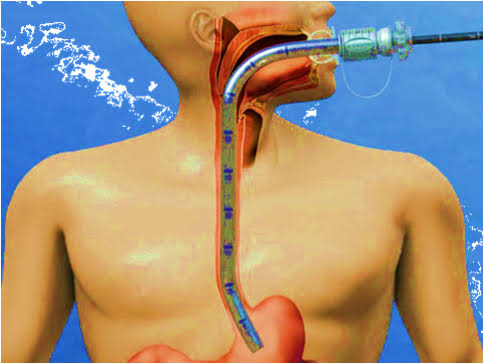
An endoscopy is a medical procedure that allows a doctor to examine the inside of a part of the digestive tract using a thin, flexible instrument called an endoscope. For an upper gastrointestinal endoscopy, the instrument is gently passed through the mouth to examine areas such as the oesophagus, stomach, and first part of the small intestine.
A small camera at the end of the instrument sends images to a monitor, allowing the doctor to identify abnormalities that may not be visible through routine examinations.
Depending on the patient’s symptoms and clinical situation, an upper endoscopy may help investigate:
- Persistent upper abdominal discomfort
- Heartburn or acid reflux
- Difficulty or pain while swallowing
- Recurrent vomiting
- Unexplained nausea
- Suspected ulcers
- Gastrointestinal bleeding
- Certain abnormalities of the oesophagus or stomach
- Unexplained anaemia when gastrointestinal causes are suspected
An endoscopy may also allow the doctor to take a small tissue sample, known as a biopsy, when necessary. A biopsy does not necessarily mean that cancer is suspected; tissue sampling can be used to investigate several different conditions.
What Does “Painless Endoscopy” Mean?
A painless endoscopy generally refers to an examination performed with measures designed to minimise discomfort and anxiety. Depending on the procedure, patient’s health, and medical assessment, this may involve local anaesthetic to reduce the throat sensation and, in appropriate cases, sedation.
Patients should understand that “painless” does not mean that every person will experience exactly the same sensation. Individual experiences can vary. A proper pre-procedure assessment helps the medical team determine the safest and most appropriate approach.
The goal is to make the examination as comfortable as reasonably possible while maintaining patient safety and obtaining useful diagnostic information.
When Might a Doctor Recommend an Endoscopy?
An endoscopy is usually recommended based on a patient’s symptoms, medical history, examination findings, and previous test results. It is not necessarily required for every digestive complaint.
A doctor may consider endoscopy when symptoms are persistent, recurrent, unexplained, or require further investigation. It can also be useful when a more detailed examination of the upper digestive tract is needed.
Common Reasons for an Upper Endoscopy
Some situations in which an endoscopy may be considered include:
- Persistent digestive symptoms: Ongoing upper abdominal pain, indigestion, reflux, or vomiting may require further evaluation.
- Swallowing difficulties: Difficulty swallowing can have several causes and may require direct examination.
- Suspected ulcers: Endoscopy can help identify ulcers in the stomach or duodenum.
- Gastrointestinal bleeding: Signs such as vomiting blood or passing black, tarry stools require prompt medical attention.
- Abnormal findings: If another test raises a concern that needs direct examination, an endoscopy may be recommended.
The decision should always be made by a qualified healthcare professional after considering the individual patient’s circumstances.
How Is a Painless Endoscopy Performed?
The process is usually straightforward, although the exact steps can differ depending on the patient and the type of endoscopy being performed.
1. Pre-procedure Assessment
Before the examination, the medical team reviews the patient’s medical history, current medications, allergies, and existing health conditions. Patients should provide complete information, particularly about medicines that may affect bleeding or sedation.
The doctor may also provide specific fasting instructions. Following these instructions is important because an empty stomach can improve visibility and reduce certain risks during the procedure.
2. Preparing for the Procedure
Patients are generally asked not to eat or drink for a specified period before an upper endoscopy. The exact fasting period should be followed according to the instructions provided by the treating medical team.
If sedation is planned, patients may need someone to accompany them home afterward because they may temporarily experience reduced alertness.
3. Comfort Measures
Before the procedure begins, the medical team may use a local anaesthetic spray to reduce throat sensitivity. Sedation may also be considered when clinically appropriate.
The type and amount of sedation are determined according to the procedure and the patient’s medical condition. Patients should discuss any concerns about discomfort or sedation before the examination.
4. The Endoscopic Examination
Once the patient is appropriately prepared, the endoscope is carefully guided through the mouth and into the digestive tract. The doctor examines the lining of the oesophagus, stomach, and duodenum.
The procedure itself is usually relatively brief, although the overall time spent at the facility can be longer because of preparation and recovery.
If necessary, the doctor may take a biopsy or perform another minor procedure during the examination. Patients generally do not feel a biopsy being taken.
5. Recovery and Observation
After the examination, patients are monitored until the effects of any sedation have reduced sufficiently. Some people may experience temporary throat irritation, bloating, or mild discomfort.
The medical team will explain when the patient can resume eating and drinking and provide instructions regarding medication, activities, and follow-up.
What Should Patients Do Before an Endoscopy?
Good preparation can make the process smoother and safer. Patients should carefully follow the instructions given by their healthcare provider rather than relying on general information.
Before an endoscopy, it is useful to:
- Follow the recommended fasting period.
- Tell the doctor about all medicines and supplements being taken.
- Mention known allergies or previous reactions to medicines or anaesthesia.
- Inform the medical team about existing health conditions.
- Ask whether any regular medicines need to be adjusted.
- Arrange transportation home if sedation is planned.
- Ask questions about the procedure if anything is unclear.
Patients should not stop prescription medicines on their own unless instructed by their healthcare professional.
What Happens After Endoscopy?
Most patients can return home after a routine upper endoscopy, particularly when no additional treatment or prolonged observation is required. However, patients who receive sedation may need some recovery time before leaving.
Mild throat soreness or temporary bloating can occur after the procedure. These symptoms are generally short-lived, but patients should follow the discharge instructions provided by their healthcare team.
The doctor may discuss the findings immediately after the procedure. If a biopsy or other tissue sample was taken, the final result may require additional laboratory processing and may not be available immediately.
Choosing an Endoscopy Hospital in Guwahati
Selecting a facility for endoscopy involves more than looking for the procedure itself. Patients should consider whether the hospital provides appropriate pre-procedure assessment, trained medical professionals, suitable endoscopy equipment, and post-procedure monitoring.
It can be helpful to ask:
- Who will perform the endoscopy?
- What type of sedation or comfort measures are available?
- How should I prepare before the examination?
- What happens if a biopsy is required?
- How long should I expect to remain at the facility?
- What follow-up will be provided after the procedure?
Clear communication can reduce anxiety and help patients understand what to expect.
Is Endoscopy Safe?
Upper gastrointestinal endoscopy is commonly performed, but like any medical procedure, it can have potential risks. These can include reactions to sedation, bleeding, infection, or injury to the digestive tract, although serious complications are uncommon.
The level of risk depends on factors such as the patient’s health, the type of procedure, and whether additional interventions are performed. A doctor should explain relevant risks and benefits before the examination.
Patients should seek urgent medical attention if they develop concerning symptoms after the procedure, such as severe or worsening abdominal pain, significant bleeding, difficulty breathing, persistent vomiting, or other symptoms specifically identified by their healthcare provider.
Frequently Asked Questions
1. Is a painless endoscopy completely pain-free?
Not necessarily. Comfort measures such as throat anaesthesia and, when appropriate, sedation can significantly reduce discomfort and anxiety, but individual experiences differ. The medical team can explain the available options before the procedure.
2. How long does an upper endoscopy take?
The actual examination is usually relatively short, but preparation and recovery can make the total visit longer. If sedation is used, additional observation may be required before the patient can leave.
3. Can I eat before an endoscopy?
Patients are generally required to fast before an upper endoscopy. The exact fasting instructions vary, so patients should follow the specific instructions provided by their healthcare team.
4. Will I feel anything during a sedated endoscopy?
Sedation is intended to improve comfort and reduce awareness or anxiety during the procedure, but the experience varies between individuals. The medical team determines the appropriate approach based on the patient’s condition and procedure.
5. When should I contact a doctor after endoscopy?
Mild throat irritation or temporary bloating may occur. However, severe abdominal pain, significant bleeding, breathing difficulty, persistent vomiting, or other serious or worsening symptoms should be reported promptly to a healthcare professional.
Conclusion
A well-planned endoscopy can provide valuable information when digestive symptoms require closer examination. Understanding the preparation, comfort measures, examination process, and recovery period can make the experience less stressful for patients. For people considering a painless endoscopy hospital in Guwahati, discussing concerns and expectations with the medical team beforehand is an important part of responsible care. Dispur Polyclinic can be considered as part of that discussion when exploring endoscopy services and appropriate digestive health evaluation in Guwahati.