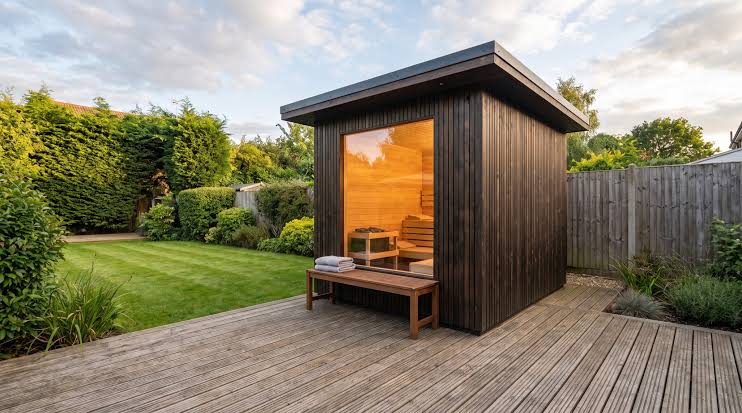
Installing an outdoor sauna is an excellent way to create a relaxing wellness space without taking up valuable room inside the home. Whether you have a spacious garden, a private patio or a dedicated outdoor relaxation area, an infrared sauna can provide a comfortable environment for regular heat sessions throughout the year. However, choosing the right model involves more than considering its appearance, size and heating system. Insulation and weather protection are equally important factors that influence its performance, comfort and long-term durability.
The UK climate can be unpredictable, with cold winters, frequent rainfall, strong winds and changes in temperature throughout the seasons. An outdoor sauna must therefore be designed to handle these conditions while maintaining a suitable internal environment. Good insulation helps retain warmth, while effective weather protection shields the cabin and its components from external elements.
For anyone considering an Outdoor Infrared Sauna UK, understanding these features can make the selection process easier. From construction materials to roof protection and ventilation, several details contribute to creating a reliable outdoor sauna that remains enjoyable throughout the year.
Why Is Insulation Important in an Outdoor Infrared Sauna?
Insulation plays an important role in maintaining a comfortable environment inside an outdoor sauna. Unlike an indoor installation, an outdoor cabin is directly exposed to changing external temperatures. During colder months, the surrounding air can become considerably cooler, making the quality of the sauna’s insulation particularly important.
A well-insulated cabin helps reduce the transfer of external temperatures into the interior. This supports a more stable environment and can help the sauna maintain comfortable operating conditions during use. It also reduces the amount of heat that escapes through walls, ceilings and other structural areas.
For homeowners exploring Outdoor Saunas UK, insulation should be considered alongside the heating technology. Infrared heaters warm the body directly rather than relying entirely on heating the surrounding air. However, the cabin’s construction still influences the overall experience. Good insulation helps prevent unnecessary temperature fluctuations and creates a more comfortable space.
The quality of insulation can also influence energy efficiency. When a cabin retains warmth effectively, the heating system may not need to work as hard to maintain the desired conditions.
How Does the UK Climate Affect Outdoor Sauna Performance?
The British climate presents several challenges for outdoor structures. Rainfall, humidity, frost and seasonal temperature changes can affect materials and construction if the sauna is not designed appropriately.
During winter, low outdoor temperatures can make an inadequately insulated sauna feel less comfortable. Rain and moisture can also affect wooden surfaces, joints and external fittings over time. In summer, direct sunlight and warmer temperatures may create different conditions for the cabin’s exterior.
An outdoor sauna should therefore be built with materials and protective features suitable for year-round outdoor use. Its design should account for local weather conditions rather than assuming that it will operate in a consistently mild environment.
When researching an Outdoor Sauna Infrared UK, consider whether the manufacturer provides clear information about the cabin’s suitability for outdoor installation. Details about insulation, exterior finishes, roof construction and moisture protection can help you understand how well the sauna is prepared for the UK’s changing seasons.
What Insulation Materials Should You Look For?
The insulation material used in an outdoor sauna can influence its thermal performance and overall construction quality. Different manufacturers use different approaches, so it is worth understanding the options before making a decision.
Some outdoor sauna designs incorporate insulated wall panels, which create a barrier between the interior cabin and the external environment. These panels can help reduce heat transfer and contribute to a more stable internal setting.
The ceiling and floor also deserve attention. Heat can escape through the upper structure, while an inadequately protected base may allow cold air and moisture to affect the cabin. Effective insulation should therefore be considered throughout the structure rather than focusing only on the walls.
The quality of installation is just as important as the material itself. Poorly fitted panels, gaps around doors and unsealed joints can reduce the effectiveness of an otherwise suitable insulation system.
When comparing different Outdoor Saunas UK, ask manufacturers about the type of insulation used, its thickness and how it is incorporated into the cabin’s overall construction.
How Does Weatherproofing Protect an Outdoor Sauna?
Weatherproofing helps protect the sauna’s exterior from environmental exposure. Since an outdoor cabin remains exposed to rain, wind and changing temperatures, its external construction needs to provide reliable protection.
One of the most important features is the exterior finish. Suitable protective treatments can help preserve wooden surfaces and reduce the effects of moisture exposure. The finish should be appropriate for outdoor use and maintained according to the manufacturer’s recommendations.
Roof construction is another important consideration. A properly designed roof helps direct rainwater away from the main cabin structure, reducing the possibility of water collecting on vulnerable surfaces. Roof overhangs and suitable drainage arrangements can provide additional protection.
Doors, windows and connecting joints should also be properly sealed. These areas can become entry points for rainwater and unwanted draughts if they are not designed and installed carefully.
For buyers considering an Outdoor Infrared Sauna UK, weatherproofing should be viewed as an essential part of the product’s construction rather than an optional finishing feature.
Why Is Moisture Protection Essential for Wooden Sauna Cabins?
Wood is a popular material for sauna construction because of its natural appearance and suitability for creating a comfortable interior. However, outdoor wooden structures require appropriate protection from moisture.
Repeated exposure to rain and humidity can affect untreated or poorly maintained timber. Over time, moisture may contribute to changes in the wood’s appearance, surface condition and structural stability.
A suitable exterior treatment helps protect the timber from direct environmental exposure. It is important to distinguish between the interior and exterior surfaces because they may require different maintenance approaches.
The surrounding installation area also matters. Placing a sauna directly on an unsuitable surface can expose its base to standing water and damp conditions. A stable, level foundation with appropriate drainage helps reduce this concern.
Homeowners should also follow the manufacturer’s guidance on cleaning, ventilation and maintenance. These simple measures can help preserve the appearance and condition of an outdoor sauna.
Does Proper Insulation Improve Energy Efficiency?
Energy efficiency is an important consideration when choosing a home sauna. Although infrared technology operates differently from traditional steam or conventional heated saunas, the cabin’s construction still influences its overall energy requirements.
A well-insulated sauna helps limit unwanted heat transfer between the interior and exterior. This can support more consistent operating conditions and reduce unnecessary heat loss.
The size of the cabin, heater output, external temperature and frequency of use also influence energy consumption. A larger sauna may require a different heating capacity from a compact model designed for one person.
Door construction is another factor worth considering. Doors that fit properly help minimise unnecessary air exchange, while well-designed seals can improve the overall enclosure.
When comparing an Outdoor Sauna Infrared UK, it is useful to look beyond advertised heater specifications. The insulation quality, construction materials and overall cabin design all contribute to the performance of the complete system.
How Important Are Roof Design and Drainage?
The roof is one of the most important protective elements of an outdoor sauna. It provides the first line of defence against rainfall and helps prevent water from reaching the main cabin structure.
A suitable roof should be designed to direct water away from the walls and base. Its materials should be selected for outdoor conditions, with attention given to durability and resistance to regular moisture exposure.
Drainage around the installation area is equally important. Rainwater should not collect beneath or immediately beside the sauna. A suitable foundation and surrounding ground arrangement can help water move away from the structure.
It is also worth considering the garden’s natural layout. Areas that experience frequent pooling, poor drainage or excessive exposure to strong winds may require additional preparation before installation.
For homeowners investing in Outdoor Saunas UK, these structural details can make a meaningful difference to the sauna’s long-term condition.
Why Should Ventilation Be Considered Alongside Insulation?
Insulation and ventilation serve different purposes, but both are necessary for a comfortable sauna environment. While insulation helps limit unwanted heat transfer, ventilation supports appropriate air circulation.
A properly designed ventilation arrangement helps prevent the cabin from feeling excessively enclosed during use. It also supports the management of internal moisture and helps maintain a comfortable environment.
Ventilation should be designed specifically for the sauna model rather than added without considering the manufacturer’s recommendations. Poorly positioned vents may affect the cabin’s thermal performance, while insufficient ventilation can make the interior less comfortable.
The goal is to achieve a suitable balance between retaining warmth and allowing appropriate air movement.
When choosing an Outdoor Infrared Sauna UK, check whether ventilation has been incorporated into the cabin design and whether the manufacturer provides instructions for maintaining airflow.
What Should You Check Before Installing an Outdoor Infrared Sauna?
Preparation is an important part of a successful outdoor sauna installation. Even a well-designed cabin requires a suitable location and foundation to perform as intended.
Start by evaluating the available garden space. The sauna should have enough room for installation, door access and any maintenance requirements. It is also worth considering privacy and the distance from neighbouring properties.
The foundation should be stable, level and suitable for supporting the cabin’s weight. Depending on the manufacturer’s specifications, this may involve a concrete base, paving or another appropriate supporting surface.
Electrical requirements should also be reviewed before installation. Infrared sauna models can have different power requirements, so the electrical supply should be suitable for the specific unit. Installation should follow the manufacturer’s instructions and applicable UK electrical safety requirements.
Finally, check the manufacturer’s warranty, outdoor suitability guidelines and maintenance recommendations. These details can help you understand what is included and how to look after the sauna over time.
Why Choose Health Mate for an Outdoor Infrared Sauna?
Choosing an outdoor sauna is an investment in your home wellness space. It is therefore important to consider the manufacturer’s experience, product construction and information about outdoor suitability.
Health Mate provides sauna solutions for people interested in creating a dedicated relaxation environment at home. When exploring its outdoor sauna range, homeowners can consider the available designs and identify a model that suits their space and intended use.
Before making a purchase, it is worth reviewing the specifications of each model, particularly its insulation arrangements, exterior materials, weather protection and installation requirements. These details help determine whether a particular sauna is appropriate for the location where it will be installed.
Homeowners looking for an Outdoor Infrared Sauna UK should prioritise a combination of reliable construction, suitable heating technology and practical outdoor protection. A carefully selected sauna can become a comfortable addition to a garden, providing a dedicated space for relaxation throughout the seasons.
Conclusion
Insulation and weather protection are two of the most important considerations when choosing an outdoor infrared sauna in the UK. While infrared heating technology contributes to the sauna experience, the quality of the cabin’s construction determines how effectively it handles changing outdoor conditions.
Good insulation helps maintain a more stable internal environment and can support energy efficiency. Weatherproof exterior materials, suitable roofing, effective drainage and properly sealed joints help protect the cabin from rainfall, moisture and seasonal changes.
Ventilation, foundation preparation and appropriate electrical installation are equally important when planning an outdoor sauna. By considering these elements together, homeowners can make a more informed decision and select a model that suits their garden and lifestyle.
For anyone researching Outdoor Saunas UK, prioritising insulation and weather protection is a practical way to invest in a comfortable and durable outdoor wellness space. Health Mate offers an opportunity to explore sauna options while considering the features that matter most for long-term outdoor use.
Frequently Asked Questions
1. Why is insulation important in an outdoor infrared sauna?
Insulation helps reduce heat transfer between the interior and exterior of the sauna. It supports a more stable internal environment, improves comfort during colder weather and can contribute to more efficient operation.
2. Can an outdoor infrared sauna be used during winter in the UK?
Yes, an appropriately designed outdoor infrared sauna can be used during winter. However, its suitability depends on the manufacturer’s outdoor specifications, insulation, weather protection and installation conditions.
3. How does weatherproofing protect an outdoor sauna?
Weatherproofing helps protect the cabin from rainfall, moisture, wind and changing temperatures. Suitable exterior finishes, roof materials, sealed joints and effective drainage all contribute to outdoor protection.
4. What type of insulation is best for an outdoor sauna?
The most suitable insulation depends on the sauna’s design and construction. Insulated wall panels, properly protected ceilings and well-fitted doors can all contribute to effective thermal performance. Always review the manufacturer’s specifications.
5. Does an outdoor infrared sauna need a special foundation?
An outdoor sauna generally requires a stable, level and suitable foundation. Concrete bases and properly prepared paving are common options, but the correct choice depends on the manufacturer’s installation requirements.
6. How can I protect a wooden outdoor sauna from rain?
Choose a model with an appropriate outdoor-rated exterior finish, a well-designed roof and suitable drainage. Follow the manufacturer’s recommendations for timber treatment and regular maintenance.
7. Is ventilation necessary in an insulated outdoor sauna?
Yes. Insulation helps retain warmth, while ventilation supports suitable air circulation and internal moisture management. Both should work together to create a comfortable sauna environment.
8. How often should an outdoor infrared sauna be maintained?
Maintenance frequency depends on the materials, installation environment and manufacturer’s instructions. Regularly inspect exterior finishes, roofing, seals, drainage and ventilation to help maintain the cabin’s condition.
9. What should I consider before buying an outdoor infrared sauna in the UK?
Consider the cabin’s insulation, weatherproofing, construction materials, heating system, dimensions, electrical requirements and installation location. Checking the manufacturer’s warranty and outdoor suitability information is also important.
10. Is an outdoor infrared sauna suitable for a garden?
Yes. An outdoor infrared sauna can be a suitable addition to a garden when it has been designed for outdoor installation and placed on an appropriate foundation. Available space, privacy, drainage and electrical access should all be considered before installation.