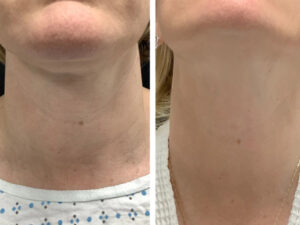
Pigmentation is one of the most common skin concerns among people living in Dubai. Dark spots, uneven skin tone, sunspots, and patches of discolouration can develop gradually, affecting the overall appearance and clarity of the skin. Although pigmentation can occur in different skin types and at various stages of life, prolonged sun exposure, hormonal changes, inflammation, and ageing are some of the factors that contribute to its development.
Dubai’s hot climate and strong year-round sunlight make protecting the skin particularly important. Even with regular skincare, existing pigmentation may remain visible or become more noticeable over time. While topical products can help improve mild discolouration, persistent or deeper pigmentation may require professional dermatological attention.
Modern dermatological treatments offer several approaches to managing dark spots and improving uneven skin tone. The appropriate treatment depends on the type of pigmentation, its depth, the individual’s skin type, and the underlying cause. With a personalised approach, Pigmentation in Dubai can be managed through targeted treatments designed to improve skin clarity and promote a more balanced complexion.
Understanding Skin Pigmentation and Why Dark Spots Develop
Skin pigmentation refers to the natural colouring of the skin, which is determined by a pigment called melanin. Melanin is produced by specialised cells known as melanocytes and helps protect the skin against ultraviolet radiation.
When melanin production becomes excessive or unevenly distributed, certain areas of the skin may appear darker than the surrounding complexion. This condition is known as hyperpigmentation.
Dark spots can develop on the face, forehead, cheeks, upper lip, neck, hands, and other areas exposed to environmental factors. Some pigmentation appears as small, individual spots, while other forms create larger patches of uneven colour.
Understanding the type of pigmentation is an important first step because different conditions respond differently to dermatological treatments.
Common Types of Pigmentation That Affect the Skin
Not all dark spots are the same. Dermatologists identify different forms of pigmentation based on their appearance, location, and underlying causes.
Melasma
Melasma is a common pigmentation condition characterised by brown or greyish-brown patches, particularly across the cheeks, forehead, nose, and upper lip. It is frequently associated with hormonal changes and sun exposure.
Melasma can become more noticeable following pregnancy, hormonal fluctuations, or increased exposure to ultraviolet light. Because it may involve deeper layers of the skin, treatment often requires a carefully planned combination of professional procedures and topical skincare.
Sunspots and Age Spots
Sunspots, also known as solar lentigines, develop following prolonged exposure to ultraviolet radiation. They commonly appear on areas that receive frequent sunlight, including the face, shoulders, hands, and arms.
These spots can become more visible with age as the skin accumulates the effects of environmental exposure. Dermatological treatments can help reduce their appearance and create a more even-looking complexion.
Post-Inflammatory Hyperpigmentation
Post-inflammatory hyperpigmentation develops after inflammation or injury to the skin. Acne, insect bites, irritation, and certain skin procedures can trigger increased melanin production in affected areas.
The resulting dark marks may remain visible even after the original skin concern has improved. Individuals with medium to deeper skin tones may be particularly prone to developing these marks.
What Causes Dark Spots and Uneven Skin Tone in Dubai?
Living in a sunny environment can influence the development and persistence of pigmentation. Several factors may contribute to uneven skin tone.
Prolonged Sun Exposure
Ultraviolet radiation stimulates melanin production as part of the skin’s natural protective response. Repeated exposure can lead to an uneven distribution of pigment, resulting in sunspots and darker patches.
In Dubai, sunlight exposure can occur during everyday activities, including driving, walking outdoors, and spending time near windows. Without adequate sun protection, existing pigmentation may become darker.
Hormonal Changes
Hormonal fluctuations can influence melanocyte activity and contribute to melasma. Changes associated with pregnancy, hormonal medication, and other hormonal variations may trigger or worsen pigmentation in susceptible individuals.
Acne and Skin Inflammation
When acne lesions heal, they can leave behind dark marks caused by increased melanin production. Picking or squeezing spots may further aggravate inflammation and prolong discolouration.
Ageing and Environmental Factors
As the skin ages, accumulated sun exposure and natural changes in skin function can contribute to uneven pigmentation. Environmental pollutants and repeated irritation may also influence overall skin appearance.
How Can Dermatological Treatments Help Improve Pigmentation?
Professional dermatological treatments are designed to address pigmentation according to its underlying cause and severity. Rather than relying on a single approach for every individual, dermatologists assess the skin and recommend suitable treatment options.
The primary objective is to regulate excess pigmentation, improve uneven skin tone, and support healthier-looking skin.
Chemical Peels for Uneven Skin Tone
Chemical peels are professional treatments that use carefully selected exfoliating solutions to remove accumulated dead skin cells and encourage skin renewal.
Depending on the formulation and concentration, chemical peels may help improve superficial pigmentation, mild sunspots, and post-inflammatory dark marks.
Common ingredients used in professional peeling treatments include glycolic acid, lactic acid, and salicylic acid. The selection depends on the patient’s skin condition and tolerance.
By encouraging the removal of pigmented surface cells, chemical peels can gradually improve skin texture and complexion. Multiple sessions may be recommended to achieve progressive results.
Laser Treatments for Dark Spots
Laser technology can be used to target excess pigment within the skin. Specific wavelengths of light interact with melanin, helping break down concentrated pigment so that the body’s natural processes can gradually clear it.
Laser treatments may be considered for selected sunspots and certain forms of pigmentation. However, not every pigmentation condition is suitable for laser procedures.
For example, melasma can be particularly challenging because heat and inflammation may sometimes aggravate the condition. Dermatologists therefore evaluate skin tone, pigment depth, and the possibility of recurrence before recommending laser-based treatments.
The choice of technology and treatment settings is especially important for individuals with darker skin tones.
Topical Treatments for Reducing Excess Melanin
Prescription and professional skincare products can help regulate melanin production and improve the appearance of dark spots over time.
Depending on the diagnosis, dermatologists may recommend ingredients such as:
- Vitamin C: An antioxidant that supports skin protection and helps improve the appearance of uneven skin tone.
- Azelaic acid: Helps address pigmentation associated with acne and may be useful for certain cases of melasma.
- Retinoids: Encourage skin cell turnover and can help improve the appearance of post-inflammatory pigmentation.
- Hydroquinone: A prescription skin-lightening ingredient that reduces melanin production and may be recommended for selected pigmentation conditions.
- Niacinamide: Supports the skin barrier and helps reduce the transfer of melanin to surrounding skin cells.
The appropriate ingredient, concentration, and application schedule depend on individual skin needs. Professional guidance helps ensure that skincare products are used correctly and consistently.
Microneedling for Selected Pigmentation Concerns
Microneedling involves using fine needles to create controlled microchannels in the skin. This process stimulates the skin’s natural repair response and supports collagen production.
In selected cases, microneedling may be incorporated into a broader treatment plan to improve skin texture and certain pigmentation concerns.
It is important to understand that microneedling is not suitable for every type of pigmentation. The procedure and any accompanying topical products should be selected according to the skin’s condition and sensitivity.
Why Is a Personalised Pigmentation Treatment Plan Important?
Pigmentation can have different causes, depths, and patterns. A treatment that works well for sunspots may not be appropriate for melasma or post-acne marks.
A personalised dermatological assessment helps identify the specific concern and determine which approach is most suitable.
During an evaluation, a dermatologist may consider:
- The location, colour, and appearance of dark spots.
- Whether pigmentation is superficial or deeper within the skin.
- The patient’s natural skin tone and sensitivity.
- Previous skincare products and professional procedures.
- Lifestyle factors, including daily sun exposure.
- Any underlying skin conditions contributing to discolouration.
Based on these findings, the dermatologist may recommend topical products, chemical peels, laser procedures, or a combination of suitable treatments.
This individualised approach helps avoid unnecessary procedures and supports more consistent improvements.
How Can You Maintain Results After Pigmentation Treatment?
Professional treatments are only one part of managing pigmentation. Everyday skincare habits play an equally important role in maintaining a more even complexion.
Apply Broad-Spectrum Sunscreen Daily
Sun protection is essential for individuals experiencing pigmentation. A broad-spectrum sunscreen with SPF 30 or higher helps protect the skin against UVA and UVB radiation.
It should be applied generously to exposed areas and reapplied approximately every two hours when outdoors, as well as after swimming or sweating.
Follow a Consistent Skincare Routine
A dermatologist-recommended skincare routine can support treatment outcomes. Gentle cleansers, suitable moisturisers, and targeted pigmentation products help maintain skin health.
Introducing several active ingredients simultaneously may irritate the skin, so products should be incorporated gradually.
Avoid Picking or Scrubbing the Skin
Aggressive exfoliation, picking acne lesions, and using harsh skincare products can increase inflammation. This may contribute to additional post-inflammatory pigmentation.
Gentle skincare is generally a better approach, particularly for sensitive or pigmentation-prone skin.
Protect the Skin From Direct Sunlight
Alongside sunscreen, wearing sunglasses, protective clothing, and wide-brimmed hats can help minimise direct sun exposure. Seeking shade during periods of intense sunlight is also beneficial.
Why Consider Professional Pigmentation Treatment in Dubai?
Professional dermatological care offers access to specialised assessments and treatment technologies that may not be available through standard home skincare routines.
For individuals experiencing persistent dark spots, melasma, or uneven skin tone, consulting an experienced dermatologist can help identify the cause and establish a suitable management plan.
At Dr. Camellia Kamyab, the approach to pigmentation focuses on understanding individual skin concerns and selecting treatments according to specific skin requirements.
Whether pigmentation is related to sun exposure, hormonal changes, or previous acne, a personalised treatment strategy can help address visible discolouration while supporting overall skin quality.
Individuals exploring Pigmentation Treatment in Dubai can benefit from a professional assessment to understand their treatment options, expected improvements, and the skincare practices needed to maintain their results.
Conclusion
Pigmentation can develop for several reasons, including sun exposure, hormonal fluctuations, ageing, and post-inflammatory changes. Although dark spots are common, their appearance and underlying causes vary from person to person.
Modern dermatological treatments provide different ways to improve uneven skin tone, including chemical peels, laser procedures, microneedling, and targeted topical skincare. Selecting the right approach requires an understanding of the pigmentation type, skin tone, and individual treatment goals.
Consistent sun protection and an appropriate skincare routine are also essential for maintaining improvements and reducing the likelihood of recurring discolouration.
For those experiencing persistent pigmentation, professional guidance from Dr. Camellia Kamyab can help identify suitable treatment options and support a personalised approach to achieving a clearer, more balanced-looking complexion.
Frequently Asked Questions (FAQs)
1. What is the main cause of pigmentation on the face?
Facial pigmentation can develop due to excessive melanin production. Common contributing factors include prolonged sun exposure, hormonal changes, acne-related inflammation, ageing, and certain skin conditions.
2. Can dermatological treatments remove dark spots permanently?
Dermatological treatments can significantly improve the appearance of many dark spots. However, results depend on the pigmentation type, its underlying cause, and the individual’s skin response. Some conditions, particularly melasma, may recur without ongoing management and sun protection.
3. Which treatment is best for pigmentation in Dubai?
The most suitable treatment depends on the type and depth of pigmentation. Chemical peels, topical medications, selected laser procedures, and microneedling may be considered following a professional skin assessment.
4. How many sessions are required for pigmentation treatment?
The number of sessions varies according to the treatment method, pigmentation severity, and individual skin response. Some superficial dark spots may improve after a few sessions, while deeper or persistent pigmentation may require a longer treatment plan.
5. Can sun exposure make pigmentation worse?
Yes. Ultraviolet radiation stimulates melanin production and can make existing dark spots more noticeable. Consistent broad-spectrum sunscreen application and additional sun protection are important for managing pigmentation.
6. Is pigmentation treatment suitable for darker skin tones?
Yes. Several pigmentation treatments can be adapted for darker skin tones. However, treatment selection and settings require careful consideration because certain procedures may trigger post-inflammatory hyperpigmentation.
7. Can acne marks be treated with pigmentation procedures?
Yes. Post-inflammatory hyperpigmentation caused by acne may improve with suitable topical treatments, chemical peels, and selected professional procedures. The appropriate option depends on the severity of the marks and whether active acne is still present.
8. How long does it take to see results from pigmentation treatment?
Results vary depending on the pigmentation type and selected treatment. Some individuals notice gradual improvements within several weeks, while deeper pigmentation may take several months of consistent treatment and skincare.
9. Can skincare products alone improve pigmentation?
Certain skincare ingredients, including vitamin C, azelaic acid, niacinamide, and retinoids, can help improve mild pigmentation. However, persistent or deeper discolouration may require professional dermatological treatments alongside a suitable home skincare routine.
10. Why is sunscreen important after pigmentation treatment?
Sunscreen helps protect treated skin from ultraviolet radiation, which can stimulate further melanin production. Daily sun protection supports treatment outcomes and helps reduce the appearance of new dark spots.