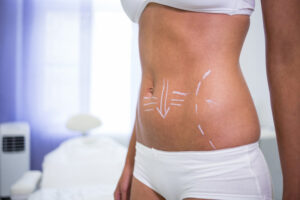
Liposuction is a popular body-contouring procedure for people who want to reduce stubborn fat deposits and achieve more defined body proportions. However, successful fat removal involves more than simply deciding how much fat should be removed from a particular area. The skin’s ability to adapt to the body’s new shape is equally important. Skin elasticity plays a significant role in determining how the treated area may look after the procedure and whether additional skin-tightening approaches should be considered.
For individuals considering Liposuction dubai, understanding the relationship between skin elasticity and fat removal planning can help establish realistic expectations. Two people with similar fat deposits may achieve different results because their skin responds differently after the underlying fat volume is reduced. Factors such as age, genetics, weight fluctuations, sun exposure, and previous pregnancies can influence skin quality.
A personalised treatment plan therefore considers both the amount of fat present and the condition of the overlying skin. At Cornerstone Clinic, an appropriate assessment can help determine which approach may best support the patient’s body-contouring goals.
What Is Skin Elasticity and Why Does It Matter in Liposuction?
Skin elasticity refers to the skin’s ability to stretch and return towards its original shape. This characteristic is supported by collagen and elastin, two structural proteins that help maintain firmness, flexibility, and overall skin quality.
When fat is removed through liposuction, the volume beneath the skin decreases. The surrounding skin must gradually adapt to the reduced volume to create a smoother body contour. If the skin has good elasticity, it may contract more effectively and follow the body’s new shape.
However, skin with reduced elasticity may not retract as efficiently. This can sometimes result in loose or uneven-looking skin after fat removal.
For this reason, skin elasticity is an important consideration when planning liposuction. It helps the surgeon evaluate whether removing fat alone is likely to achieve the desired contour or whether another approach should be discussed.
How Does Skin Elasticity Influence Fat Removal Planning?
Fat removal planning requires a careful balance between reducing unwanted fat and maintaining natural-looking body proportions. Skin elasticity helps guide this balance by indicating how the skin may respond once the underlying volume changes.
For patients with firm, flexible skin, removing localised fat deposits may produce a more defined appearance because the skin has a better ability to adapt to the new contours.
In contrast, patients with loose or stretched skin may need a more conservative approach. Removing a substantial amount of fat without considering the skin’s condition could leave the treated area looking less firm than expected.
A surgeon may therefore consider several factors before deciding on the amount and distribution of fat to remove.
These include:
- The thickness and quality of the skin.
- The amount and location of excess fat.
- Existing skin laxity and stretch marks.
- The patient’s age and general tissue quality.
- Previous weight changes or pregnancies.
- The desired body shape and natural proportions.
This assessment helps create a treatment strategy based on the patient’s anatomy rather than relying on a standard fat-removal approach.
Which Factors Can Affect Skin Elasticity Before Liposuction?
Skin elasticity varies considerably between individuals. Even patients of a similar age and body weight may have different levels of skin firmness. Understanding the factors that influence elasticity helps explain why treatment planning needs to be personalised.
Age and Natural Skin Changes
As people age, collagen and elastin production gradually decrease. These changes can affect the skin’s ability to maintain firmness and return to its previous shape after stretching.
Younger patients often have better skin recoil, although age alone does not determine suitability for liposuction. Some older individuals maintain relatively firm skin, while younger patients may experience reduced elasticity because of other factors.
Weight Fluctuations
Repeated weight gain and weight loss can stretch the skin over time. When the body experiences significant changes in volume, the skin may not always return to its previous condition.
Patients who have lost considerable weight may have both localised fat deposits and loose skin. In such situations, removing additional fat may not necessarily improve the overall appearance of the treated area.
Pregnancy and Hormonal Changes
Pregnancy can stretch the abdominal skin as the body accommodates physical changes. After childbirth, some individuals experience gradual skin recovery, while others retain loose skin or changes in abdominal firmness.
Hormonal changes can also influence skin quality and tissue characteristics. These considerations are particularly relevant when planning abdominal liposuction.
Genetics and Skin Structure
Genetics influence natural collagen production, skin thickness, and the way tissues respond to stretching. This explains why two individuals with similar lifestyles may experience different levels of skin elasticity.
A physical examination helps evaluate these characteristics and determine how they may influence the expected outcome.
Sun Exposure and Lifestyle
Long-term ultraviolet exposure can contribute to collagen breakdown and premature changes in skin quality. Smoking, nutritional deficiencies, and other lifestyle factors may also affect tissue health and healing.
Although lifestyle improvements cannot guarantee better skin contraction, maintaining healthy habits supports overall skin condition.
How Is Skin Elasticity Evaluated During a Liposuction Consultation?
A detailed consultation is an important part of planning liposuction. The surgeon needs to understand the patient’s concerns, examine the treatment areas, and evaluate the condition of the skin before recommending a suitable approach.
One assessment method involves examining how the skin behaves when gently stretched and released. The surgeon may also assess skin thickness, existing laxity, stretch marks, and the distribution of underlying fat.
The pinch test can provide a general indication of the amount of subcutaneous fat present, although it does not independently determine skin elasticity or predict the final result.
Photographs and physical measurements may also be used to document the starting body contours and support treatment planning.
Patients should discuss their expectations openly during this appointment. For example, someone who wants a flatter abdomen may require a different approach from someone whose main concern is reducing fat around the waist or flanks.
The purpose of the consultation is to establish whether liposuction alone is appropriate and what degree of contour improvement may realistically be achieved.
Does Good Skin Elasticity Lead to Better Liposuction Results?
Good skin elasticity can support more predictable contour changes because the skin may adapt more effectively to the reduced fat volume.
When the skin has sufficient firmness and flexibility, it can gradually settle over the treated area as swelling decreases and healing progresses. This may contribute to smoother-looking contours and better definition.
However, good elasticity does not automatically guarantee a particular result. Other factors, including fat distribution, surgical technique, individual anatomy, and post-procedure recovery, also influence the final appearance.
Similarly, reduced elasticity does not necessarily mean that a patient cannot undergo liposuction. It means the surgeon must consider how much fat should be removed and whether another procedure may better address the patient’s concerns.
The most suitable treatment is the one that takes the entire body contour into account rather than focusing exclusively on fat reduction.
What Happens When Skin Elasticity Is Limited?
When skin elasticity is significantly reduced, the skin may not contract sufficiently after fat removal. This is particularly relevant for individuals who have experienced substantial weight loss, multiple pregnancies, or long-term skin stretching.
In these cases, liposuction may reduce the underlying fat without fully addressing loose or excess skin.
Depending on the patient’s anatomy and goals, a surgeon may discuss alternative or complementary procedures.
For example, patients with abdominal fat and significant loose skin may be assessed for a tummy tuck, also known as abdominoplasty. This procedure focuses on removing selected excess skin and may include tightening separated abdominal muscles when appropriate.
For patients with mild skin laxity, certain skin-tightening treatments may also be considered. Their suitability depends on the degree of laxity, treatment area, and individual expectations.
It is important to understand that liposuction and skin-removal procedures address different concerns. A personalised consultation helps identify which approach is most appropriate.
How Does the Treatment Area Affect Skin Elasticity Considerations?
Skin elasticity does not have the same importance in every body area. Different regions have different skin thicknesses, tissue characteristics, and patterns of fat distribution.
Abdomen
The abdomen is one of the most frequently treated areas during liposuction. Skin elasticity is especially important in patients with previous pregnancies or significant weight changes.
If the abdominal skin is firm, it may adapt more effectively after fat reduction. However, when substantial loose skin is already present, liposuction alone may not provide the flatter appearance the patient expects.
Arms
The upper arms can develop stubborn fat deposits, but some individuals also experience loose skin. A surgeon must assess whether the main concern is excess fat, skin laxity, or a combination of both.
This distinction helps determine whether liposuction alone is suitable.
Thighs
Thigh liposuction requires careful attention to skin quality because the goal is to improve contour while maintaining smooth transitions between treated and untreated areas.
Patients with good elasticity may experience more effective skin adaptation, whereas those with loose skin may require a different treatment strategy.
Waist and Flanks
Fat reduction around the waist and flanks can improve body proportions and create a more defined silhouette. Skin quality remains important because the treated area must adapt to the reduced volume.
A balanced approach helps maintain natural-looking transitions between the abdomen, waist, and back.
How Does Liposuction Technique Relate to Skin Tightening?
Different liposuction techniques are available, and the appropriate method depends on the patient’s anatomy, treatment goals, and the surgeon’s assessment.
Traditional liposuction focuses on removing unwanted fat through small incisions using a cannula. Other techniques may use additional energy sources, such as ultrasound or laser energy, depending on the procedure.
Some technologies are designed to support tissue contraction, but their effectiveness varies. They should not be considered a guaranteed replacement for surgical skin removal when significant excess skin is present.
Choosing a technique should involve more than selecting the latest technology. The surgeon should explain what the technique can realistically achieve, how it relates to the patient’s skin quality, and whether another procedure may be more suitable.
What Should Patients Expect During Recovery?
After liposuction, the treated areas may experience swelling, temporary bruising, and changes in skin sensation. These effects generally improve gradually during recovery.
Compression garments are commonly recommended to support the treated areas and help manage swelling. Patients should follow their surgeon’s instructions regarding garment use, physical activity, wound care, and follow-up appointments.
Skin adaptation is not immediate. As swelling decreases, the body gradually settles into its new contours. The time required varies depending on the extent of treatment, individual healing, and skin characteristics.
Patients should avoid judging their final results too early. Regular follow-up appointments allow the surgeon to monitor recovery and assess how the skin is adapting.
How Can Patients Prepare Their Skin Before Liposuction?
Preparing for liposuction involves maintaining overall health and following the surgeon’s recommendations. Although no preparation routine can completely change inherited skin characteristics, healthy habits may support skin quality and recovery.
Patients can consider the following measures:
- Maintain a stable and healthy body weight before surgery.
- Follow a balanced diet containing adequate protein and essential nutrients.
- Stay properly hydrated.
- Avoid smoking and discuss nicotine use with the surgeon.
- Protect the skin from excessive sun exposure.
- Follow medical instructions regarding medications and supplements.
- Discuss previous weight changes and surgical history during consultation.
It is also important to have realistic expectations. Liposuction is intended to improve body contours rather than replace healthy lifestyle habits or serve as a primary weight-loss treatment.
Understanding Liposuction Cost in Dubai and Treatment Planning
The overall cost of liposuction depends on several factors, and skin elasticity can indirectly influence the recommended treatment plan.
The number of areas being treated, the amount of fat to be removed, the surgical technique, and the complexity of the procedure may all affect the final quotation.
Patients researching Liposuction Cost in dubai should understand that prices may vary depending on their individual requirements. Someone seeking treatment for a single small area may have different needs from someone considering several areas of body contouring.
If reduced skin elasticity means that an additional procedure should be considered, the overall treatment plan and associated costs may also change.
A consultation is the best way to receive an accurate estimate. Patients should ask what is included in the quotation, which technique is recommended, and whether additional procedures are necessary to achieve their desired appearance.
Conclusion
Skin elasticity is an important factor in successful liposuction planning because it influences how the skin may adapt after underlying fat is removed. Patients with good elasticity may experience more effective skin contraction, while those with reduced elasticity may need a different or more comprehensive approach.
Age, genetics, pregnancy, weight fluctuations, and lifestyle can all influence skin quality. Therefore, evaluating these factors before treatment helps establish realistic expectations and supports personalised surgical planning.
For individuals considering Liposuction dubai, a professional consultation at Cornerstone Clinic can help determine whether liposuction alone is suitable or whether additional body-contouring options should be discussed. Understanding the relationship between skin quality and fat removal is an important step towards making an informed decision and pursuing natural-looking body proportions.
Frequently Asked Questions
1. Why is skin elasticity important before liposuction?
Skin elasticity determines how effectively the skin may adapt after fat removal. Good elasticity generally supports better skin contraction, while reduced elasticity may leave some looseness after treatment.
2. Can liposuction tighten loose skin?
Liposuction primarily removes unwanted fat rather than excess skin. Some skin contraction may occur after treatment, but the degree depends on individual skin quality. Patients with significant loose skin may require a different procedure.
3. Does age affect skin elasticity during liposuction planning?
Yes. Skin gradually loses collagen and elastin with age, which can affect its ability to contract. However, age alone does not determine suitability, as genetics and overall skin condition also matter.
4. Can younger patients have poor skin elasticity?
Yes. Younger individuals can experience reduced elasticity because of genetics, significant weight changes, pregnancy, or other factors. A physical assessment is more useful than age alone when evaluating skin quality.
5. How do surgeons assess skin elasticity before liposuction?
Surgeons examine skin firmness, thickness, laxity, and how the skin responds when gently stretched and released. They also assess fat distribution and the patient’s overall body proportions.
6. Is liposuction suitable after significant weight loss?
It may be suitable for patients who have remaining localised fat deposits. However, significant weight loss can leave excess skin, so the surgeon must determine whether liposuction alone can address the patient’s concerns.
7. Which body areas require careful skin elasticity assessment?
The abdomen, upper arms, thighs, and waist are common areas where skin quality is considered during treatment planning. The appropriate approach depends on the condition of the skin and the amount of fat present.
8. Can skin-tightening treatments be combined with liposuction?
In selected cases, skin-tightening treatments may be considered alongside liposuction. The suitability depends on the patient’s skin laxity, treatment area, and the expected degree of improvement.
9. How long does skin take to adapt after liposuction?
Skin adaptation occurs gradually as swelling decreases and healing progresses. The timeline varies between individuals and depends on skin elasticity, treatment extent, and recovery.
10. What determines Liposuction Cost in Dubai?
The cost depends on the treatment areas, surgical technique, procedure complexity, and individual requirements. A consultation is necessary to establish the most appropriate treatment plan and provide an accurate quotation.
11. Can maintaining a stable weight help preserve liposuction results?
Yes. Maintaining a relatively stable weight through balanced nutrition and regular physical activity can help preserve body contours after treatment. Significant weight changes may affect the appearance of the treated areas.
12. How can I determine whether liposuction is right for me?
A consultation with a qualified plastic surgeon is the best starting point. The surgeon can assess your fat distribution, skin elasticity, medical history, and aesthetic goals before recommending an appropriate treatment approach.