Packaging plays an essential role in protecting products, improving storage efficiency, and supporting daily business operations. From food processing and retail to manufacturing, healthcare, and logistics, businesses need packaging materials that are practical, durable, and suitable for their products.
LDPE bags are widely used flexible packaging products made from low-density polyethylene, a thermoplastic material known for its flexibility, moisture resistance, and relatively soft texture. These bags are available in different sizes, thicknesses, colours, and designs, making them suitable for numerous commercial and industrial applications.
Whether you need lightweight bags for retail products, protective packaging for manufactured goods, or bulk plastic bags for warehouse operations, LDPE packaging can offer a convenient solution.
However, selecting the right bag requires more than choosing a suitable size. Material thickness, sealing performance, load requirements, food-contact suitability, environmental considerations, and supplier reliability can all influence purchasing decisions.
This comprehensive guide explains what LDPE bags are, their advantages, common applications, available types, differences from other plastic bags, and important factors to consider when purchasing wholesale packaging.
What Are LDPE Bags?
LDPE bags are flexible plastic bags manufactured from low-density polyethylene, commonly abbreviated as LDPE.
LDPE is a type of polyethylene polymer produced through the polymerisation of ethylene. Its molecular structure contains branching that contributes to its relatively low density, flexibility, and softness compared with some other polyethylene materials.
This structure makes LDPE suitable for manufacturing flexible films and bags.
LDPE bags are generally smooth, lightweight, and capable of stretching to some extent without immediately tearing.
They are commonly used to package products that require protection against dust, moisture, dirt, and general handling conditions.
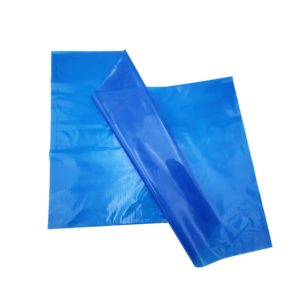
Depending on their construction, LDPE bags may be transparent, translucent, coloured, printed, or opaque.
Manufacturers can also produce them in different thicknesses and configurations to suit specific packaging requirements.
Not every LDPE bag is suitable for every application. Businesses should confirm product specifications, particularly when packaging food, heavy items, sharp objects, or materials requiring specialised protection.
Why Are LDPE Bags Popular for Packaging?
LDPE packaging is widely used because it combines flexibility, practical moisture resistance, and relatively economical manufacturing.
These characteristics make it suitable for businesses that need adaptable packaging solutions.
Flexible and Lightweight
LDPE film is flexible and can conform to products of different shapes.
This makes it useful for packaging clothing, components, accessories, and other items that do not require rigid containers.
Moisture Resistance
LDPE provides a barrier against liquid water and offers useful resistance to moisture.
However, it is not a complete barrier against water vapour or gases, and its performance depends on film thickness and packaging design.
Convenient Product Handling
Lightweight bags are easy to store, transport, fill, and distribute.
They can also be used with certain manual or automated packaging processes.
Multiple Size Options
LDPE bags are available in a wide range of dimensions, allowing businesses to choose packaging appropriate for different products.
Customisation Opportunities
Manufacturers may offer custom printing, colours, thicknesses, and bag configurations.
This makes LDPE packaging suitable for both general-purpose and branded applications.
Cost-Effective Packaging
For many applications, LDPE bags can provide an economical packaging solution, particularly when purchased in suitable wholesale quantities.
Key Features of High-Quality LDPE Bags
When selecting LDPE bags, understanding the material’s characteristics can help businesses choose packaging that meets their requirements.
Good Flexibility
LDPE can bend and stretch without the stiffness associated with some other plastic materials.
This allows bags to accommodate irregularly shaped products.
Smooth Surface
LDPE films generally have a smooth surface, making them suitable for packaging applications where appearance and handling are important.
Transparency
Many LDPE bags are transparent or translucent.
This allows packaged products to remain visible without opening the bag.
Transparency depends on the material formulation, film thickness, and manufacturing process.
Heat-Sealing Capability
LDPE can be heat-sealed using suitable equipment and processing conditions.
This makes it useful for packaging operations requiring sealed closures.
Resistance to Certain Chemicals
LDPE offers resistance to various substances, including many diluted acids and alkalis.
However, it is not compatible with every chemical.
Certain solvents and other substances can affect the material, so chemical compatibility should be verified for specialised applications.
Lightweight Construction
LDPE packaging adds relatively little weight to products, which can be useful for storage and transportation.
Different Types of LDPE Bags
Several types of LDPE packaging bags are available to suit different commercial requirements.
Flat LDPE Bags
Flat bags are among the simplest forms of flexible plastic packaging.
They generally feature a sealed bottom and an open top.
These bags are suitable for packaging clothing, small components, documents, accessories, and general merchandise.
Gusseted LDPE Bags
Gusseted bags include additional folds along the sides or bottom.
These folds allow the bag to expand when filled, providing additional internal capacity.
They may be useful for packaging bulky or irregularly shaped items.
LDPE Zip Lock Bags
Resealable LDPE bags feature a closure mechanism that allows the bag to be opened and closed multiple times.
They are commonly used for organising small components, accessories, and selected retail products.
The closure should not automatically be considered airtight or leakproof unless the manufacturer specifies and verifies those properties.
LDPE Layflat Tubing
Layflat tubing is supplied as a continuous flattened plastic tube.
Businesses can cut it to the required length and seal the ends using suitable equipment.
This provides flexibility for packaging products of different lengths.
LDPE Poly Bags
Poly bags are commonly used for protecting and organising merchandise.
LDPE poly bags may be supplied in clear, coloured, or printed designs.
They are widely used in retail, manufacturing, and warehouse environments.
Custom Printed LDPE Bags
Custom printed bags can display company logos, product information, handling instructions, or other branding elements.
Printing options depend on the film formulation, production process, and order quantity.
Common Uses of LDPE Bags
LDPE bags are used across a broad range of industries because they can be manufactured in different sizes, thicknesses, and formats.
LDPE Bags for Retail Packaging
Retail businesses often require lightweight packaging that protects products during handling and storage.
LDPE bags may be used for clothing, accessories, household items, and selected consumer goods.
Transparent packaging allows customers and staff to identify products without opening the bag.
Custom printed options may also support product presentation and branding.
However, retail businesses should check local restrictions on plastic shopping bags, as regulations may apply to certain types of bags.
LDPE Bags for Food Packaging
LDPE is used in various food packaging applications.
Suitable bags may be used for selected fresh produce, bakery products, frozen foods, and other food items.
However, not every LDPE bag is approved or suitable for food contact.
Food businesses should confirm that the packaging complies with applicable food-contact requirements for the intended food type, temperature, and storage conditions.
The material’s moisture resistance can be useful, but LDPE does not provide the same oxygen barrier as some specialised packaging films.
Products requiring extended shelf life may need additional barrier materials or different packaging systems.
LDPE Bags for Industrial Packaging
Manufacturing businesses use LDPE bags to package components, parts, and finished products.
The bags can help protect items against dust, dirt, and certain environmental conditions during storage.
They may be used for plastic components, hardware, accessories, and other industrial products.
For sharp or heavy items, businesses should choose appropriate film thickness and verify puncture and load performance.
LDPE Bags for Healthcare and Medical Supplies
Healthcare and medical supply businesses may use LDPE packaging for selected non-sterile products and general storage applications.
The material can help protect items from dust and handling contamination.
However, standard LDPE bags should not be assumed suitable for sterile medical packaging.
Medical packaging may require validated barrier performance, sealing processes, sterilisation compatibility, and regulatory compliance.
Buyers should confirm the product’s intended use before selecting LDPE bags for healthcare applications.
LDPE Bags for Warehousing and Logistics
Warehouses and distribution centres often use flexible packaging to organise products and protect them during handling.
LDPE bags can be useful for grouping small items, protecting merchandise, and separating components.
Clear bags may also improve product identification.
For shipping applications, businesses should assess tear resistance, closure strength, and the likelihood of puncture during transportation.
LDPE Bags for Hospitality
Hotels, resorts, laundries, and other hospitality businesses may use LDPE bags for selected storage and housekeeping tasks.
Possible applications include protecting clean items, organising supplies, and packaging certain laundry-related products.
However, bags used for waste handling or contaminated materials should meet the requirements of those specific tasks.
LDPE Bags vs HDPE Bags
LDPE and HDPE are both polyethylene materials, but their physical characteristics differ.
LDPE stands for low-density polyethylene, while HDPE stands for high-density polyethylene.
LDPE generally has greater flexibility and a softer feel.
HDPE is typically stiffer and can provide greater strength and rigidity in certain applications.
Thin HDPE bags often produce a more noticeable crinkling sound, while LDPE bags tend to feel smoother and softer.
LDPE is commonly used for flexible packaging films, resealable bags, and protective poly bags.
HDPE is often used for certain shopping bags, liners, and other packaging applications.
However, actual performance depends on material formulation, thickness, manufacturing quality, and bag design.
Neither material is universally better.
The correct choice depends on the products being packaged and the conditions in which the bags will be used.
LDPE Bags vs PP Bags
Polypropylene, commonly abbreviated as PP, is another widely used plastic packaging material.
LDPE and PP differ in flexibility, stiffness, temperature performance, and other properties.
LDPE generally offers a softer and more flexible feel.
PP can provide greater stiffness and may be selected for packaging applications requiring particular structural or presentation characteristics.
Certain PP films can also offer high clarity.
However, packaging performance depends on whether the material is cast, oriented, laminated, or otherwise processed.
Businesses should compare the actual product specifications rather than selecting packaging solely based on the polymer name.
Understanding LDPE Bag Thickness
Thickness is one of the most important factors when choosing LDPE bags.
Plastic film thickness is commonly measured in microns, also called micrometres.
One micron equals one-thousandth of a millimetre.
Thinner LDPE bags may be suitable for lightweight products and basic protection.
Thicker bags may provide improved resistance to certain handling stresses, depending on the film formulation and construction.
However, thickness alone does not guarantee strength.
Seal quality, material composition, manufacturing consistency, and product shape also affect performance.
For example, a bag used to package soft clothing may require different specifications from one used to hold metal components.
Businesses should consider the actual weight, shape, and handling requirements of their products.
Requesting samples can help determine whether a particular thickness is suitable.
How to Choose the Right LDPE Bag Size
Correct sizing helps protect products while avoiding unnecessary packaging material.
A bag that is too small may stretch excessively or make packing difficult.
An oversized bag may create unnecessary waste and increase packaging costs.
When selecting dimensions, consider the product’s width, length, depth, and overall shape.
For flat bags, the internal dimensions should allow enough space for the product and the intended closure.
Gusseted bags may require additional consideration because their dimensions change as the folds expand.
Businesses using heat sealing should also allow sufficient extra material for the sealing area.
Before placing a large order, test the proposed bag dimensions with actual products.
This can help prevent sizing problems and reduce unnecessary purchasing expenses.
Are LDPE Bags Waterproof?
LDPE material is generally resistant to liquid water, making it useful for protecting products against certain moisture exposures.
However, a finished bag is not necessarily waterproof.
Water may enter through an open top, damaged area, weak seal, or closure that is not designed to be leakproof.
The material also allows some water vapour transmission over time.
For products requiring high moisture protection, businesses should evaluate the complete packaging system, including film thickness, seals, closures, and storage conditions.
Specialised barrier packaging may be necessary for moisture-sensitive products.
Are LDPE Bags Recyclable?
LDPE is technically recyclable and is commonly associated with resin identification code 4.
However, whether an LDPE bag can actually be recycled depends on local collection services, contamination levels, and available processing facilities.
Flexible plastic bags are not accepted in every household recycling system.
In Australia, businesses should check current local recycling arrangements rather than assuming that LDPE bags can be placed in kerbside recycling bins.
Clean commercial LDPE film may be suitable for collection through specialised recycling services where available.
Food contamination, mixed materials, adhesives, and certain printing or coatings can affect recyclability.
Businesses should seek accurate disposal guidance from local waste service providers.
Environmental Considerations of LDPE Packaging
Sustainability is an important factor in packaging decisions.
LDPE bags are lightweight and can provide useful product protection with relatively little material.
However, conventional LDPE is derived primarily from fossil-based feedstocks and does not readily biodegrade in the natural environment.
Improperly discarded plastic bags can contribute to litter and environmental pollution.
Businesses can reduce unnecessary packaging by selecting appropriate bag sizes and thicknesses.
Using excessive material does not always improve protection.
Where suitable, companies may also consider LDPE bags containing recycled material.
However, recycled-content packaging must still meet the requirements of the intended application, particularly for food contact.
Reusable packaging systems may be appropriate for some operations, while recyclable flexible packaging may be suitable for others.
The best approach depends on product protection, transport, reuse opportunities, and available waste management infrastructure.
Custom LDPE Bags for Business Packaging
Customisation allows businesses to select packaging that better matches their products and branding requirements.
Manufacturers may offer custom sizes, thicknesses, colours, printing, and closure designs.
Custom Sizes
Made-to-order dimensions can help reduce excess packaging and improve product fit.
Printed Logos
Branded bags can display company names, logos, and other information.
Custom Colours
Coloured or opaque films may be useful for product identification or privacy.
Special Closures
Depending on manufacturing capabilities, bags may be supplied with resealable closures, adhesive strips, or other features.
Custom Thickness
Businesses can request film specifications appropriate for their products and handling conditions.
Custom manufacturing often involves minimum order quantities and production lead times.
Buyers should confirm these requirements before approving an order.
Benefits of Buying LDPE Bags Wholesale
Wholesale purchasing can be beneficial for businesses that use packaging materials regularly.
Lower Unit Costs
Bulk orders may offer more competitive pricing than small retail purchases.
Consistent Packaging Quality
Using a dependable supplier helps maintain consistent bag specifications.
Reliable Inventory
Maintaining adequate stock can prevent interruptions to packing and shipping operations.
Reduced Ordering Frequency
Scheduled bulk purchases can simplify procurement.
Custom Manufacturing Options
Larger orders may provide access to customised sizes, colours, and printing.
However, businesses should consider storage capacity and actual consumption before ordering excessive quantities.
How to Choose a Reliable LDPE Bags Supplier
Selecting a dependable supplier is important for maintaining packaging quality and controlling costs.
Product Quality
Review film consistency, seal strength, dimensions, and overall construction.
Material Specifications
Ask for clear information about LDPE composition, thickness, and intended applications.
Food-Contact Documentation
For food packaging, request relevant documentation confirming suitability for the intended use.
Customisation Options
Check whether the supplier offers custom printing, sizes, colours, and packaging formats.
Wholesale Pricing
Compare the total delivered cost rather than focusing only on the price per bag.
Minimum Order Quantities
Confirm that ordering requirements match your business needs.
Delivery Reliability
Choose suppliers that can provide dependable stock availability and delivery arrangements.
Customer Support
A reliable supplier should be able to explain product specifications and assist with packaging selection.
Common Mistakes to Avoid When Buying LDPE Bags
One common mistake is choosing bags without considering product weight and shape.
A bag that works well for lightweight clothing may not be suitable for sharp industrial components.
Another mistake is selecting packaging solely based on thickness.
Seal strength and material quality also influence performance.
Businesses should avoid assuming that every LDPE bag is suitable for food contact.
Food packaging requires appropriate material selection and compliance documentation.
Ordering incorrect dimensions can also lead to wasted material and packing difficulties.
Finally, buyers should avoid relying on unsupported environmental claims.
Terms such as recyclable, biodegradable, and eco-friendly should be evaluated carefully.
Frequently Asked Questions About LDPE Bags
1. What are LDPE bags used for?
LDPE bags are used for packaging, storing, and protecting products in retail, food processing, manufacturing, healthcare supply, warehousing, and hospitality applications.
2. What does LDPE stand for?
LDPE stands for low-density polyethylene, a flexible thermoplastic material commonly used in packaging films and plastic bags.
3. Are LDPE bags recyclable?
LDPE is technically recyclable, but actual recycling availability depends on local collection systems and processing facilities. Flexible plastic bags may require specialised recycling services.
4. Are LDPE bags safe for food packaging?
LDPE can be suitable for food packaging when manufactured and documented for the intended food-contact conditions. Not every LDPE bag is automatically food-safe.
5. What is the difference between LDPE and HDPE bags?
LDPE bags are generally softer and more flexible, while HDPE bags are typically stiffer. The best material depends on the packaging application.
6. Are LDPE bags waterproof?
LDPE material resists liquid water, but finished bags may allow water entry through openings or imperfect seals. Water vapour can also pass through the film over time.
7. Can LDPE bags be custom printed?
Yes. Many packaging manufacturers offer custom printing, colours, sizes, and thicknesses, subject to production requirements and minimum order quantities.
8. What thickness should I choose for LDPE bags?
The correct thickness depends on product weight, shape, handling conditions, and required protection. Testing samples is recommended before placing large orders.
9. Can LDPE bags be purchased in bulk?
Yes. Many packaging suppliers offer wholesale quantities for commercial and industrial customers.
10. Are LDPE bags biodegradable?
Conventional LDPE bags are not readily biodegradable under normal environmental conditions. Claims about biodegradable alternatives should be supported by relevant testing and certification.
Conclusion
LDPE bags are versatile packaging products used across retail, food processing, manufacturing, logistics, healthcare supply, and hospitality industries.
Their flexibility, lightweight construction, moisture resistance, and availability in different sizes make them practical for a wide range of packaging requirements.
From simple flat bags to gusseted, resealable, and custom printed designs, LDPE packaging can be adapted to suit different products and business operations.
However, selecting the correct bags requires careful consideration of thickness, dimensions, material quality, sealing performance, and intended use.
Businesses should also review food-contact requirements, environmental considerations, and available recycling options where relevant.
Working with a reliable wholesale supplier can help maintain consistent packaging standards, simplify procurement, and manage purchasing costs.
Whether you need protective packaging for retail merchandise, food products, industrial components, or warehouse operations, choosing suitable LDPE bags can help improve product handling, storage, and overall packaging efficiency.