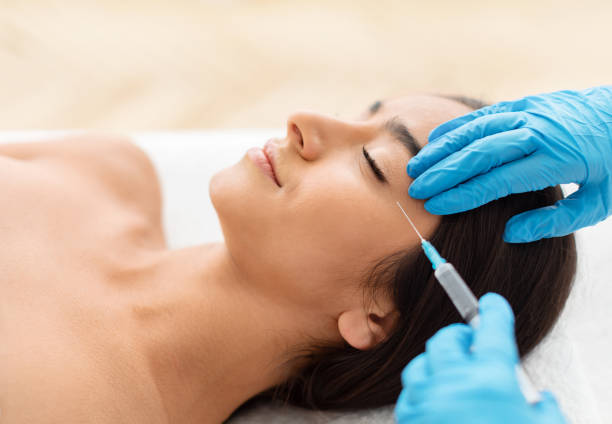
Visible lines around the eyes are among the earliest signs of facial aging and can become more noticeable when smiling, squinting, or making other expressions. These lines, often called crow’s feet, develop partly because the muscles around the eyes contract repeatedly over time. For people looking for a way to soften these expression-related lines, Botox in Abu Dhabi is an option that works by temporarily reducing targeted muscle activity. Understanding how Botox affects the muscles around the eyes, which types of lines it can address, and what kind of improvement can realistically be expected can help clarify whether this treatment is suitable for visible eye-area wrinkles.
What Causes Lines Around the Eyes?
The skin around the eyes is delicate and naturally experiences frequent movement throughout the day. Every time a person smiles, squints, or makes certain facial expressions, the muscles surrounding the eyes contract. Repeated contractions can gradually cause fine lines to become more noticeable.
Age-related changes can make these lines increasingly visible. As collagen and elastin levels naturally decline, the skin becomes less resilient and may not return to its previous smooth appearance as easily after facial movement. Environmental exposure and other factors can also contribute to changes in skin texture.
Understanding the cause of the lines is important because Botox primarily addresses wrinkles associated with muscle movement rather than every type of skin change around the eyes.
How Botox Works Around the Eyes
Botox works by temporarily reducing nerve signals that cause selected muscles to contract. When carefully administered to the muscles responsible for expression-related lines around the eyes, it can reduce excessive movement in the targeted area.
As muscle activity decreases, the repeated folding of the skin may also decrease. This can make visible expression lines appear softer and less prominent. The treatment does not physically remove the skin or permanently change facial structure.
Because the muscles around the eyes contribute significantly to natural expressions, treatment requires careful planning. The goal is generally to soften unwanted lines while maintaining an appropriate level of natural facial movement.
Is Botox Effective for Crow’s Feet?
Botox can be effective for reducing the appearance of crow’s feet when these lines are primarily caused by repeated muscle movement. These wrinkles typically extend outward from the corners of the eyes and become more noticeable when smiling or squinting.
By temporarily decreasing activity in the muscles responsible for these expressions, Botox can reduce the degree to which the skin folds during movement. As a result, the lines may appear smoother and less pronounced.
The degree of improvement varies from person to person. Factors such as the depth of the lines, muscle activity, skin elasticity, and the individual’s response to treatment can all influence the visible outcome.
Botox for Dynamic Versus Static Lines
A key consideration is whether the lines around the eyes are dynamic or static. Dynamic wrinkles are most noticeable when the face is moving, such as during smiling or squinting. These are the types of lines most directly associated with muscle activity and therefore are the primary focus of Botox treatment.
Static lines remain visible even when the face is relaxed. They may develop after years of repeated movement combined with changes in collagen, elasticity, and overall skin structure. Botox may soften the appearance of such lines when muscle movement continues to contribute to them, but it may not completely eliminate established wrinkles.
This distinction helps establish realistic expectations before treatment.
When Can Changes Become Noticeable?
Botox does not generally produce its complete visible effect immediately. The targeted muscles gradually respond as the treatment begins to reduce nerve signaling. Changes may become noticeable during the days following treatment, with the appearance continuing to develop as the muscles respond.
The timing can vary depending on the individual and the treatment area. Allowing adequate time for the effect to develop provides a more accurate opportunity to evaluate the result.
The gradual nature of the process also means that the final appearance should be considered after the treatment has had sufficient time to take effect rather than judged immediately afterward.
How Long Can the Effect Last?
Botox produces temporary changes in muscle activity. Over time, normal nerve communication gradually returns, allowing the treated muscles to become active again. As movement returns, expression-related lines may gradually become more visible.
The duration of the visible effect varies between individuals. Muscle strength, facial movement, treatment area, and individual response can all influence how long the appearance remains softened.
Understanding that Botox is temporary is an important part of setting realistic expectations about treatment.
Can Botox Preserve Natural Facial Expressions?
Many people considering Botox around the eyes are concerned about maintaining their natural appearance. Appropriate treatment is generally focused on reducing excessive muscle activity rather than eliminating every facial movement.
The muscles around the eyes play an important role in smiling and expressing emotion. Because of this, treatment planning needs to consider both wrinkle reduction and the individual’s natural facial characteristics.
A balanced approach can aim to soften prominent crow’s feet while retaining an appropriate degree of expression. The desired outcome is often a refreshed appearance rather than a completely motionless facial area.
Factors That Influence Results Around the Eyes
The appearance of eye-area wrinkles can vary considerably between individuals. Some people have fine lines that appear mainly during smiling, while others develop deeper lines that remain visible at rest. Differences in skin elasticity, facial anatomy, muscle strength, and age can all affect the outcome.
The placement and amount of Botox are also important considerations. Treatment needs to be tailored to the specific muscles contributing to the visible lines. Treating an area without considering surrounding facial movement may not provide the desired balance.
For this reason, an individualized assessment is an important part of determining whether Botox is appropriate for particular eye-area wrinkles.
What Should You Expect From Botox for Eye Lines?
The main goal of Botox for visible lines around the eyes is to create a smoother and more relaxed appearance by reducing the muscle activity responsible for expression-related wrinkles. The result is generally subtle and progressive rather than a complete transformation of the skin.
People with early dynamic lines may notice that their wrinkles become less prominent during facial expressions. Those with more established static lines may experience softening rather than complete removal.
Having realistic expectations helps ensure that the treatment is evaluated according to what it is designed to accomplish.
Is Botox Appropriate for Everyone With Eye Wrinkles?
Not every type of eye-area wrinkle is primarily caused by muscle movement. Some visible changes may be related more strongly to skin texture, reduced elasticity, or other age-related changes. In these situations, Botox may not address the underlying concern on its own.
A professional evaluation can help determine whether the visible lines are primarily dynamic and whether reducing muscle activity is an appropriate approach. The treatment plan can then be based on the individual’s facial structure, wrinkle pattern, and desired result.
Final Thoughts
Botox can be effective for visible lines around the eyes, particularly when those lines are caused primarily by repeated facial muscle movement. By temporarily reducing targeted muscle activity, Botox can soften the appearance of crow’s feet and create a smoother-looking eye area. The results depend on factors such as wrinkle depth, skin elasticity, muscle activity, and individual response. Understanding the difference between dynamic and static wrinkles and maintaining realistic expectations can help provide a clearer picture of what Botox can achieve around the eyes.
FAQs
Can Botox reduce crow’s feet?
Yes, Botox can soften crow’s feet by temporarily reducing the muscle activity that contributes to these expression lines.
Is Botox effective for fine eye wrinkles?
It can be particularly useful for fine wrinkles that become visible mainly during smiling or squinting.
Does Botox remove eye wrinkles completely?
Botox generally softens expression-related wrinkles rather than completely removing every visible line.
When do Botox results appear?
Visible changes usually develop gradually during the days following treatment.
Can Botox maintain natural expressions?
When appropriately planned, Botox can reduce targeted muscle activity while allowing natural facial expression to remain.