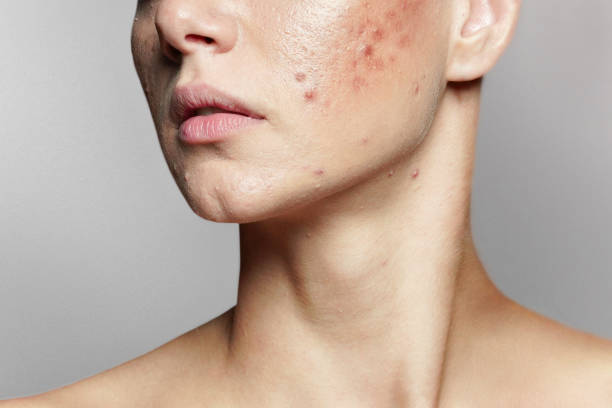
Stubborn breakouts can feel frustrating, especially when they keep returning despite a consistent routine. The best Acne Treatment in Abu Dhabi depends on the type of acne, its severity, and what may be contributing to it. A qualified skin professional can assess these factors and recommend a personalized approach rather than relying on a single treatment for everyone.
Understanding Stubborn Acne
Acne develops when pores become blocked by oil and dead skin cells, sometimes alongside inflammation. Breakouts may appear as blackheads, whiteheads, inflamed spots, or deeper bumps. They can affect the face, chest, shoulders, or back.
Persistent acne may be influenced by hormonal changes, genetics, stress, certain medications, or skincare habits. Identifying the pattern and possible triggers helps guide treatment.
What Is the Best Acne Treatment in Abu Dhabi?
There is no single best option for every person. An appropriate plan may combine professional treatments with a simple, consistent skincare routine. The choice depends on whether acne is mild, moderate, or severe, and whether it is mainly clogged pores, inflamed spots, or deeper lesions.
A skin professional may recommend one or more of the following approaches:
Professional Acne Treatment Options
Topical Treatments
Prescription creams or gels may help clear blocked pores, reduce inflammation, or limit acne-causing bacteria. The choice depends on the person’s skin and acne pattern. A professional can explain how to use a treatment and how to introduce it gradually.
Oral Treatments
For widespread or persistent acne, a professional may consider oral medication as part of a supervised plan. The choice is based on individual health history and acne severity. Follow-up appointments help assess progress and adjust the approach when needed.
In-Clinic Procedures
Some people may benefit from procedures that support acne care or address lingering marks. Options can include carefully selected light-based treatments, chemical peels, or other professional techniques. Suitability varies, so an assessment is important before choosing a procedure.
Treatment for Acne Marks
Once active breakouts are under control, a professional can discuss options for uneven tone or texture left behind by acne. The right approach depends on the type of mark and the person’s skin. Treating active acne first can help reduce the chance of new marks forming.
How to Choose the Right Treatment
A thoughtful treatment plan starts with an assessment, not guesswork. A skin professional may ask when the breakouts began, where they appear, what has already been tried, and whether they leave marks.
Helpful points to discuss include:
- The type and frequency of breakouts
- Any products or treatments already being used
- Changes in skin sensitivity or routine
- Whether acne affects confidence or daily life
- Personal treatment preferences and health history
Why Consistency Matters
Acne often takes time to improve. Switching between treatments too quickly can make it difficult to tell what is helping. A consistent plan, used as directed, gives the skin professional a clearer picture of progress.
Keeping skincare simple can also help. Gentle cleansing and avoiding frequent picking or scrubbing may support a routine without adding unnecessary irritation. Any changes should be discussed with a professional, especially when prescription treatments are involved.
When to Seek Professional Advice
Professional guidance may be useful when breakouts persist, become painful, spread, or leave marks. It can also help when over-the-counter approaches have not provided enough improvement or when acne is affecting emotional well-being.
Early assessment can help identify the acne type and create a plan suited to the individual. It may also reduce the likelihood of prolonged inflammation and lasting marks.
Frequently Asked Questions
How long does acne treatment take to work?
Improvement is usually gradual, and the timeframe differs from person to person. A professional can explain what to expect from a chosen plan and when progress should be reviewed.
Can stubborn acne be treated successfully?
Many cases can be managed with an individualized plan. The approach may need adjustment over time, particularly if acne changes or does not respond as expected.
Should someone stop treatment when the skin starts improving?
A person should follow the instructions provided by their skin professional rather than stopping or changing treatment independently. The professional can advise whether the plan should continue or be adjusted.
Does every breakout need a professional procedure?
No. Many people are treated with a personalized skincare plan or medication, while procedures may be considered in selected cases. An assessment helps determine what is appropriate.
What should someone do if acne keeps returning?
Recurring acne may need a review of the diagnosis, routine, and treatment plan. A qualified skin professional can look for contributing factors and recommend suitable next steps.
Finding a Suitable Path Forward
The best approach to stubborn breakouts is one tailored to the person’s skin, acne type, and goals. With a professional assessment and a steady, appropriate plan, many people can make meaningful progress and feel more comfortable in their skin.