Modern working life in London has changed considerably, influencing how people organise their daily routines, manage their time and make decisions about food. With flexible schedules, hybrid working, longer commuting hours and demanding professional responsibilities, finding convenient meals has become an important part of everyday life. In this changing environment, Indian Food Delivery Tyburnia reflects the growing importance of accessible food choices that combine convenience, freshness and traditional flavours.
Tyburnia, situated around the well-connected Edgware Road area of Central London, attracts professionals, residents, visitors and people travelling throughout the city. Their daily schedules can vary significantly, creating different expectations around meal preparation, takeaway services and food delivery. Understanding these changing routines helps explain why convenient Indian cuisine continues to have an important place in London’s food culture.
How Changing Work Patterns Are Transforming Food Habits
Traditional working routines often followed predictable schedules, with employees travelling to offices every weekday and arranging meals around fixed lunch breaks. Today, working arrangements are more varied. Some professionals work from home, others divide their time between home and the workplace, while many continue to follow office-based schedules.
These differences influence when people eat, how they organise meals and whether they prefer cooking, collecting food or ordering delivery.
According to the Office for National Statistics (ONS), 28% of working adults in Great Britain participated in hybrid working between January and March 2025. This demonstrates how working arrangements have evolved beyond the conventional office-based model.
For London residents, changing schedules can create several practical food-related considerations:
- Flexible lunch breaks require convenient meal arrangements.
- Home-based professionals may prefer food delivery during busy working hours.
- Office employees often look for accessible meals during limited breaks.
- Longer working days can influence evening meal decisions.
- Changing household schedules increase the importance of convenient food options.
Consequently, food delivery has become a practical part of modern urban living rather than simply an occasional alternative to eating out.
The Growing Importance of Convenience in Everyday Dining
Convenience is one of the strongest influences on contemporary food choices. People managing professional responsibilities often have limited time to prepare meals, particularly when meetings, commuting and household commitments overlap.
The Agriculture and Horticulture Development Board (AHDB), in its March 2025 consumer insights report, highlighted the growing influence of convenience on British meal choices. Drawing on Kantar Usage data for the year ending December 2024, the report noted that average evening meal preparation time had fallen to approximately 31 minutes. Lunch preparation had also reduced to less than 15 minutes.
These findings illustrate how modern consumers increasingly value efficient meal preparation.
For people living and working around Tyburnia, delivery services can help accommodate different daily schedules. Whether someone is working remotely, returning from the office or managing household responsibilities, having access to conveniently prepared food can simplify everyday planning.
However, convenience should not mean overlooking ingredient quality, food safety or preparation standards. A satisfying delivery experience depends on maintaining these essential elements alongside efficient service.
Why Indian Cuisine Fits Modern London Lifestyles
Indian cuisine offers considerable variety in flavours, cooking traditions and preparation techniques. Its adaptability makes it suitable for different dining occasions, from quick lunches to relaxed evening meals.
One reason Indian food remains relevant to London’s diverse dining culture is its combination of traditional culinary methods and contemporary eating preferences.
Different cooking techniques contribute distinctive characteristics to Indian cuisine. Dum cooking allows ingredients and aromatic spices to develop together through gradual heat. Tawa preparation introduces a different texture through direct contact with a heated cooking surface. Traditional spice combinations contribute depth, aroma and balance.
These methods demonstrate that convenient dining does not necessarily require abandoning culinary traditions.
For customers considering Indian Food Delivery Tyburnia, the overall experience can depend on several factors:
- Careful ingredient selection and preparation.
- Balanced seasoning and authentic culinary techniques.
- Appropriate cooking and temperature control.
- Consistent food quality.
- Secure and suitable delivery packaging.
- Clear communication about ingredients and allergens.
Combining these considerations helps create a more reliable experience for people with different lifestyles and food preferences.
The Connection Between Working From Home and Food Delivery
Working from home has changed the relationship between professional responsibilities and everyday meals. Instead of travelling to an office cafeteria or purchasing lunch during a commute, remote employees often arrange their meals around meetings, deadlines and personal commitments.
Although home working provides greater flexibility, it can also make meal planning challenging. Back-to-back meetings and extended working hours may leave little opportunity for cooking.
Food delivery can provide a convenient alternative in these circumstances.
For example, someone working from home in Tyburnia might arrange a meal during a suitable break without interrupting the rest of their working day. Similarly, professionals with flexible schedules can organise evening meals around changing commitments.
The important consideration is maintaining a sensible balance between convenience and food quality. Regular meal planning, suitable food storage and attention to nutritional variety remain valuable even when delivery services form part of an everyday routine.
How Office-Based Work Influences Lunch and Evening Choices
Despite the growth of remote working, office-based employment continues to shape London’s food culture. Professionals working around Edgware Road and Central London often organise meals around commuting times, scheduled breaks and workplace responsibilities.
Lunch is particularly important because employees may have limited time between professional commitments. Accessible food options can help make these breaks more manageable.
Evening dining presents different requirements. After a demanding working day, people may prefer to avoid additional meal preparation and choose convenient takeaway or delivery arrangements.
These patterns demonstrate how the same customer can have different food preferences depending on the day and working schedule.
A practical approach to everyday dining includes:
- Planning meals around working hours.
- Choosing convenient options during shorter breaks.
- Maintaining variety in everyday food choices.
- Considering ingredient freshness and preparation.
- Allowing sufficient time for collection or delivery.
- Checking food hygiene and allergen information.
Understanding these habits helps food businesses respond to the changing expectations of London’s working population.
Food Safety and Quality in the Delivery Experience
As food delivery becomes more integrated into everyday routines, maintaining food safety is essential. Convenience should always be supported by responsible preparation, storage, handling and transportation.
The UK Food Standards Agency provides guidance for food businesses delivering prepared food, highlighting the importance of hygiene, temperature control, allergen communication and suitable packaging.
Food businesses should pay particular attention to:
Temperature management: Appropriate controls help maintain food safety during preparation, storage and transportation.
Hygienic preparation: Clean equipment, appropriate handwashing and procedures to prevent cross-contamination are essential.
Allergen awareness: Customers should have access to accurate allergen information before ordering and when receiving their food.
Suitable packaging: Secure food-grade packaging helps protect food during transportation and collection.
These practices contribute to customer confidence and support a more dependable delivery experience.
Why Tyburnia’s Location Matters for Everyday Food Choices
Tyburnia benefits from its position within Central London, particularly its connection with Edgware Road and surrounding residential and commercial areas. The neighbourhood brings together people with different routines, professional commitments and dining preferences.
For residents, convenient delivery can support everyday household schedules. For professionals, it can provide an alternative during busy working days. Visitors and people travelling through the area may also appreciate accessible dining options that fit around their plans.
This combination of residential activity, employment and transport connections makes food convenience particularly relevant to the neighbourhood.
Indian Food Delivery Tyburnia is therefore connected to a wider change in how people experience food in urban London. Customers increasingly consider accessibility, preparation standards, reliability and culinary variety when deciding how to organise their meals.
The Future of Indian Food Delivery in London’s Changing Work Culture
Changing employment patterns are likely to remain an important influence on the food industry. Flexible working, hybrid schedules and evolving household routines have encouraged businesses to think beyond traditional lunchtime and evening dining periods.
For food businesses, responding to these developments involves understanding customer expectations rather than focusing exclusively on delivery speed.
Important priorities include maintaining consistent preparation standards, organising kitchen operations efficiently, communicating clearly with customers and ensuring that food travels appropriately.
Indian cuisine has an opportunity to remain an important part of this evolving environment by bringing traditional flavours and cooking influences into modern dining experiences.
Conclusion
Changing work patterns have transformed how people across London approach everyday food choices. Hybrid working, remote employment, office commitments and longer working days have increased the importance of convenient dining arrangements.
However, convenience alone does not define a satisfying meal. Freshness, flavour, food safety, preparation quality and reliability remain equally important considerations.
Indian Food Delivery Tyburnia represents this connection between traditional Indian culinary influences and the practical requirements of contemporary London living. As professional and household routines continue to evolve, accessible Indian food services can play a useful role in helping residents, workers and visitors organise their everyday dining experiences.
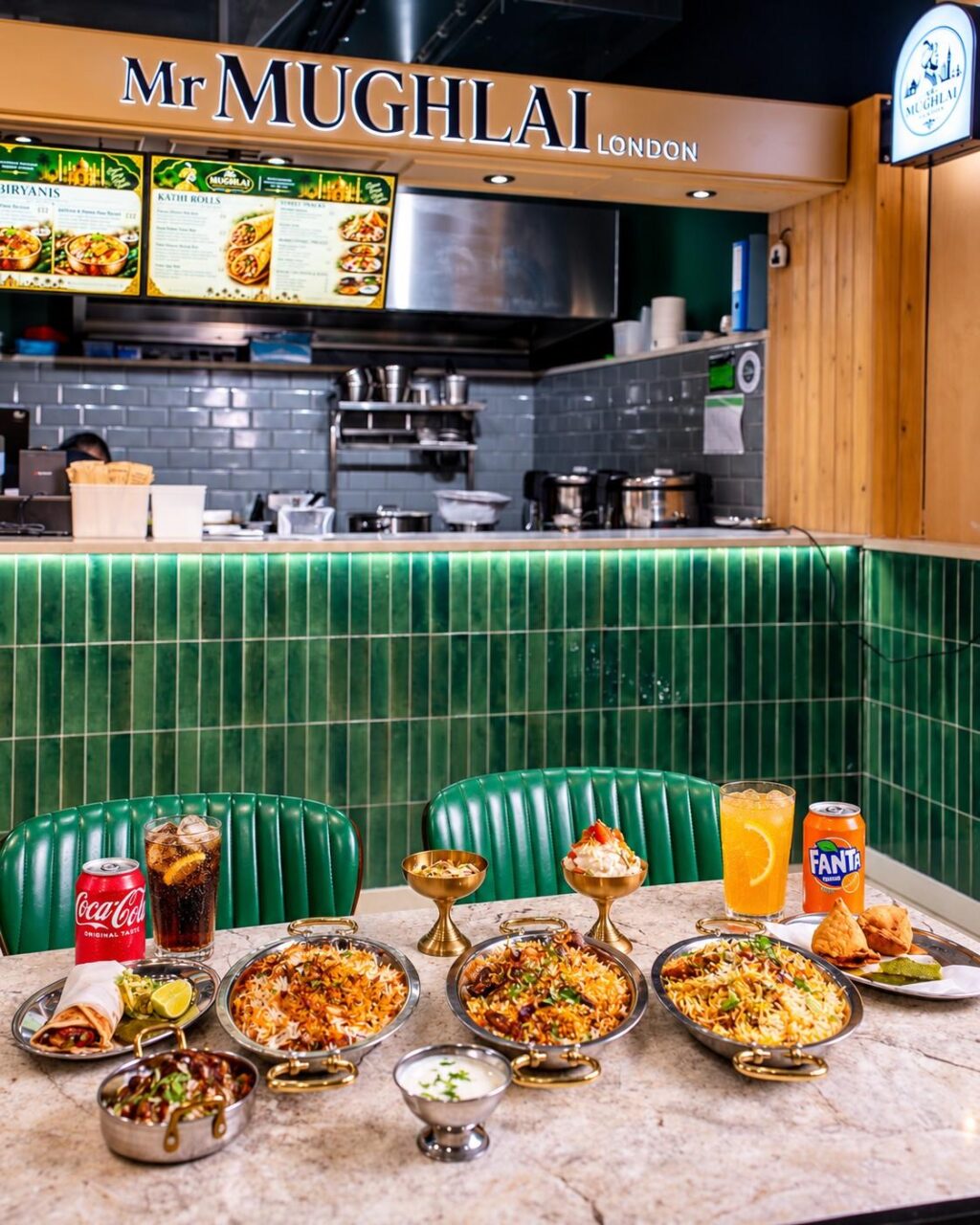
Mr Mughlai London brings Mughlai culinary heritage to Edgware Road, Tyburnia, combining traditional Indian influences with a modern approach to dining in London.
Connect with Mr Mughlai London
- Business Name: Mr Mughlai London
- Address: 145-147 Edgware Road, Tyburnia, London, W2 2HR
- Mobile: +44 7700 012345
- Email: admin@mrmughlailondon.com